My breast cancer diagnosis: Telling my children was the hardest part
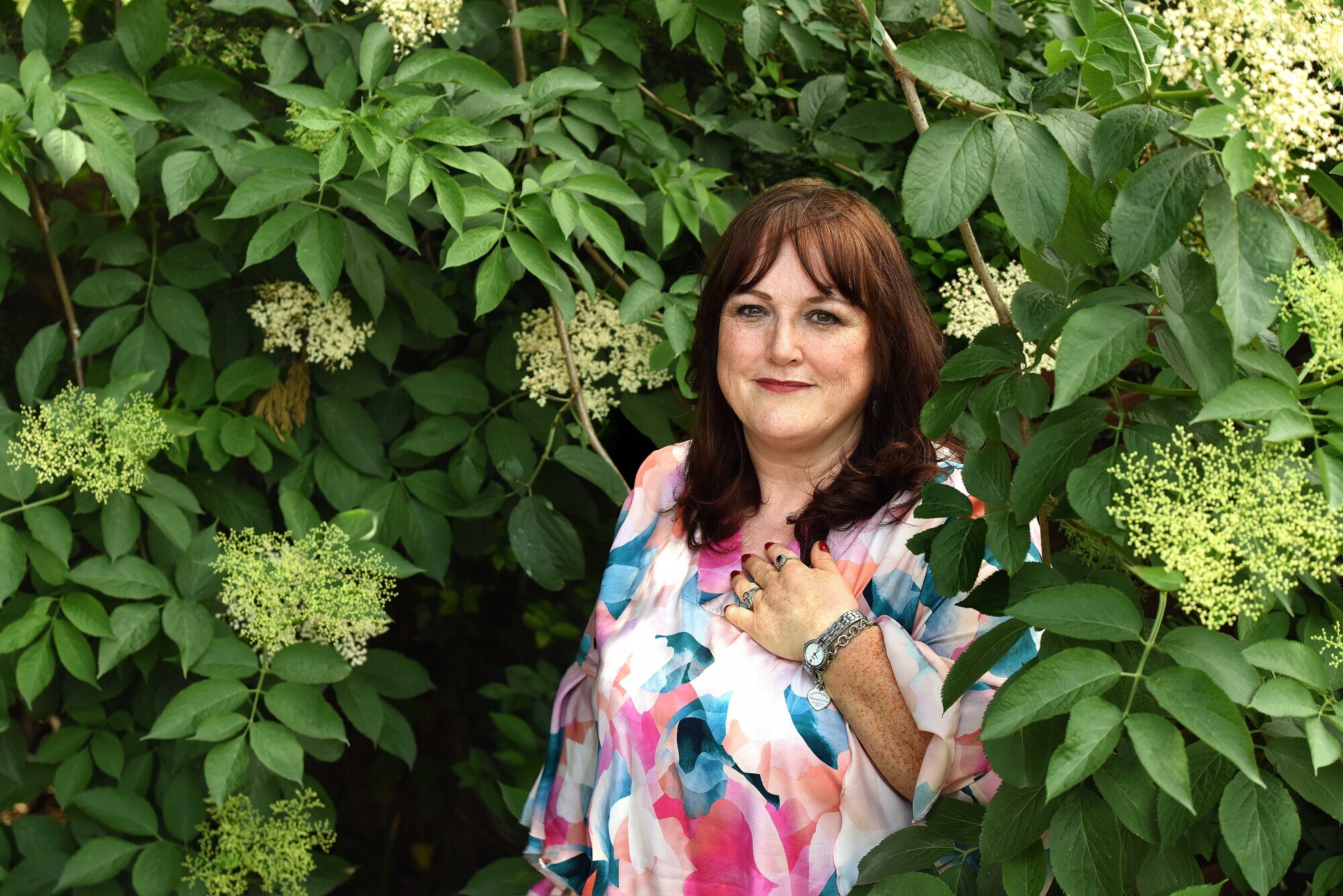
Leona Daly who was diagnosed with breast cancer in December 2018. Picture: Moya Nolan

- October is Breast Cancer Awareness Month and BreastCheck — part of the National Screening Service – is encouraging women to take up their screening invitation when offered. Screening is offered to women aged 50-69 every two years.
- Screening looks for abnormalities that could be cancer in women with no symptoms. This means cancer is often diagnosed at a lower or earlier stage and it can be more easily treated or cured. Visit www2.hse.ie/breast-screening
Change in size or shape of your breast such as one breast becoming larger than the other.
Change in the skin, for example, puckering, ridges or dimpling (like orange peel) or redness.
Change in the direction or shape of your nipple, especially if it sinks into your breast or becomes irregular in shape.
Unusual discharge (liquid) from one or both nipples.
Change in the skin on/around the nipple, for example, a rash or flaky or crusted skin.
Swelling in breast or armpit or around your collarbone.
Lump or thickening in your breast.
Constant pain in one part of your breast or armpit.
Soreness or warmth (inflammatory breast cancer).
Red scaly rash on one nipple, which may itch or burn (Paget’s disease of the breast).
It’s more common over age 50, but younger women get breast cancer too — being breast-aware is key.
Breast cancer and/or ovarian cancer in several close members of your family; breast cancer in a close relative when they were younger than 50.
Starting periods before age 12 or having menopause after age 55; prolonged use of hormone replacement therapy (HRT); contraceptive pill causes a small increase in risk, which gradually returns to normal after you stop taking it.
Being diagnosed before with breast cancer or atypical ductal hyperplasia (ADH).
Radiotherapy to your chest area in the past.
unhealthy lifestyle factors, for example, being overweight, inactivity, drinking alcohol or smoking.
Dr Robert O’Connor, director of research at the Irish Cancer Society, says breast cancer won’t necessarily present as a lump. “Particularly in younger women, under 50, it has a tendency to present in a more unusual way, such as a rash or a lump under the arm. In older women, the discrete breast lump is more common.”