Cervical cancer campaigner Lorraine Walsh: ‘I was made out to be crazy'
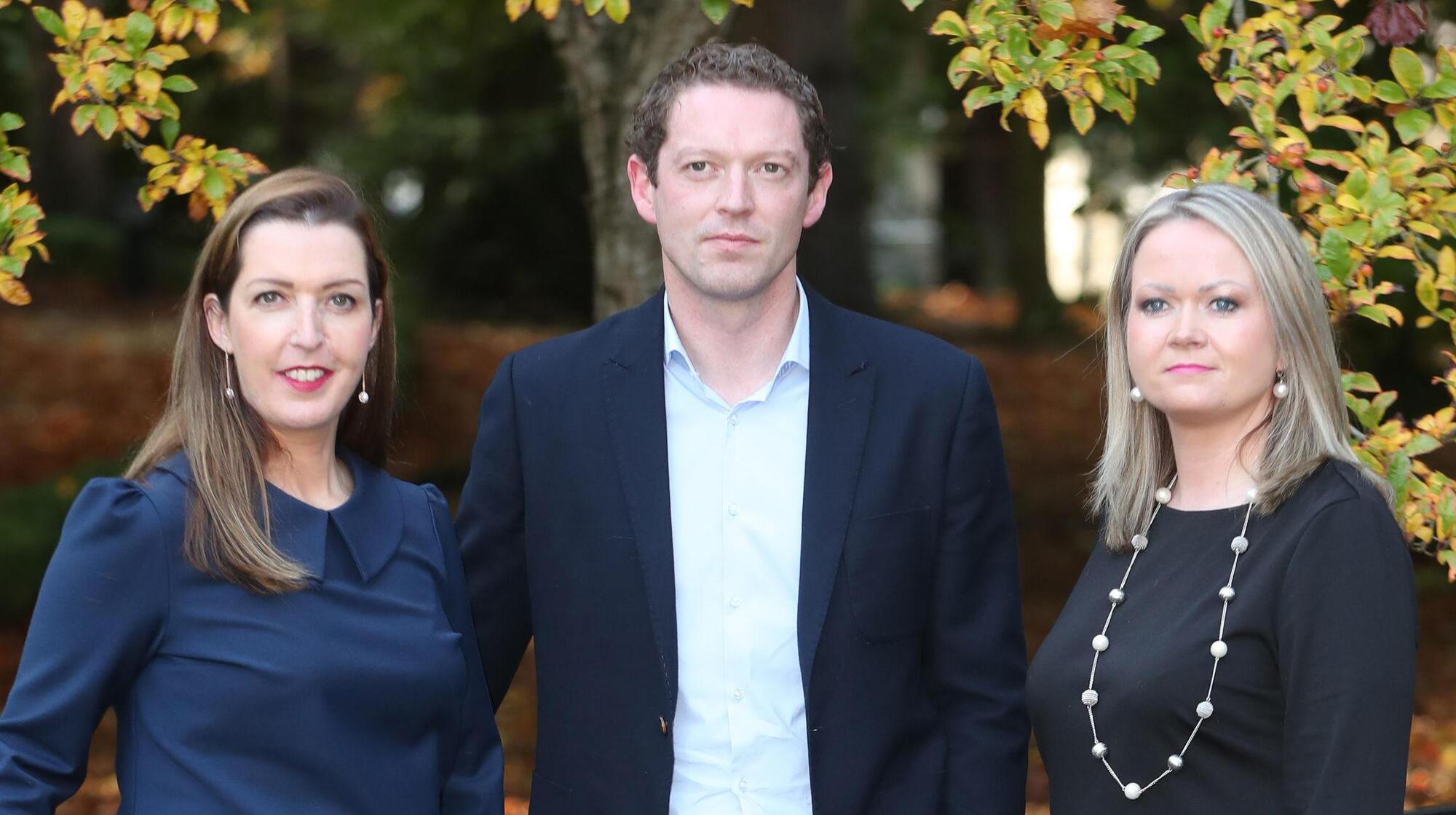
Campaigners Vicky Phelan, Stephen Teap and Lorraine Walsh at the launch of 221+ Cervical Check Patient Support Group at Farmleigh House in Dublin. Picture: Niall Carson/PA Wire
When Lorraine Walsh picks up the phone on a Wednesday lunchtime, she’s between appointments. A work call, an interview with the Irish Examiner, and a check-up with her consultant gynaecologist.
Her day job, her advocacy and her health — the three pillars of her life she’s been juggling since 2018.

Four years on, after multiple inquiries, reviews, and a State apology, you might think the Galway woman would be able to take a step back from her advocacy work, but as she summarises herself: "CervicalCheck is just one of these things that you think there's no more shit going to come up and next thing... it's just another shit show."
The extent of one of the nation’s greatest medical scandals in recent history is laid bare in , a documentary landing in Irish cinemas next week that details CervicalCheck's most recognisable victim’s fight for accountability and for her life.
The film centres around Vicky Phelan — but it also reminds us of the more than 221 women and their families whose lives have been irrevocably changed as a result of their misread smear tests.
Lorraine Walsh is one of those women. An incorrect reading of her smear test delayed her cervical cancer diagnosis. She has been left unable to have children and suffers from debilitating pain daily.
“I have conditions that have changed my life,” Walsh says from her office in Galway, “but I am lucky that I am cancer clear.”
“I will never be able to have children of my own... but I have my life.”

Walsh, a founding member of the 221+ CervicalCheck Patient Support Group, discovered she was one of the women affected by the failures in the CervicalCheck screening process two days after she saw Vicky Phelan on the news in April 2018.
In those early days, Walsh says she often came away from meetings with “more questions than answers” and eventually, she was asked by Dr Gabriel Scally — who carried out a scoping inquiry into CervicalCheck — to come on board as a patient representative on the CervicalCheck Steering Committee, along with Stephen Teap whose wife Irene died of cervical cancer in 2017, aged just 35.
Since 2018, Walsh has met with the Royal College of Surgeons, Royal College of Physicians, the Irish Medical Council, the Royal College of Obstetricians and Gynaecologists and the former Minister of Health Simon Harris and former Taoiseach Leo Varadkar on several occasions to discuss issues such as US labs outsourcing smears and the underfunding of gynaecological services in Ireland.

But it's the members of 221+ that concern Walsh the most. Some of the side effects of treatment experienced by women whose smears were misread and who later had that information purposely withheld from them are “shocking", she says.
“Lots of [the 221+ women] are struggling with incontinence. I know women who, from having brachytherapy, their vaginas have completely closed. These are women in their 30s.”
I ask Walsh if she’s ever felt overcome with anger.
“I would say that it nearly drove me insane. And I don't say that lightly. There was a time around the RCOG (Royal College of Obstetricians and Gynaecologists) review process I nearly lost my mind.
“I was being made out to be a crazy woman,” she says. “That's the top and bottom of it.”
"There were times when we were in the Department of Health and I whispered to Stephen [Teap] and said, “you say this Stephen because if I say it as a woman, I'll be dismissed, whereas if you say it as a man, it'll be taken from you.”
“I didn't think we lived in a country like that, but we do.”

The state apology from then Taoiseach Leo Varadkar in 2019 went some ways to acknowledging the “disrespect” — in Varadkar’s own words — to which the women were subjected.
Walsh believes that apology was “heartfelt,” but says comments made by CervicalCheck clinical director Dr Nóirín Russell in recent weeks were “appalling”.
In a Sunday Times article earlier this month, Dr Russell was reported to have said at a meeting with a public representative that some women claiming through the tribunal knew “in their heart and soul that they haven’t been wronged” but were using the process as they “might get some money”. Dr Russell has since said she accepts her comments were “careless and hurtful”.
The 221+ group, as part of the independent CervicalCheck Tribunal, had been attempting to engage with the HSE in restoring women’s trust in line with recommendations made by Dr Gabriel Scally, but Walsh says she no longer sees a way forward with it given Dr Russell’s comments.
“This restoration of trust process meant that if women's cases were over and done with, the opportunity would arise where they could potentially sit down with their consultant and have an honest, face-to-face meeting that would try to patch up the relationship,” she says.

“The person leading that from a clinician's perspective is Dr Nóirín Russell. And she’s still treating women in the 221+ group.”
Despite Dr Russell’s comments being a “kick in the teeth,” Walsh has not called for her to resign.
"I don't think her resignation would solve the problem.
"I believe the way to solve the problem is that it has to be a culture change across the organisation as opposed to having one person resign because of comments made.
The campaigner says "many women" contacted her directly to question why the 221+ group was not calling for Dr Russell’s resignation, and it’s obvious the pressure on her to try and see “the bigger picture” weighs heavily on her.
“Being a patient representative... it’s a thankless job,” she says. But, she continues to fight on in the hopes that what happened to her and hundreds of women in this country will never happen to another woman in Ireland again.
“There’s a peace of mind,” she says, “in knowing that other women won’t have to go through this.”
"If I could walk away at some stage from CervicalCheck knowing [that had been achieved] it would be worth it.”

But the time to walk away might be a while away yet. The 221+ group is currently awaiting Dr Gabriel Scally's final progress review of the implementation of the recommendations of his Scoping Inquiry into the CervicalCheck screening programme. The report is due to be published in the coming weeks.
Walsh met with the man who first asked her to go public with her story again this past weekend, as he asked for feedback from the 221+ group on how they feel implementation of his recommendations has gone. And how they are doing generally.
"He's always been so respectful, and listened to us," Walsh says, "we really appreciate that."
- VICKY is on general release in Irish cinemas on October 7
Celebrating 25 years of health and wellbeing