Eating for fertility: What you need to know and eat when planning to conceive
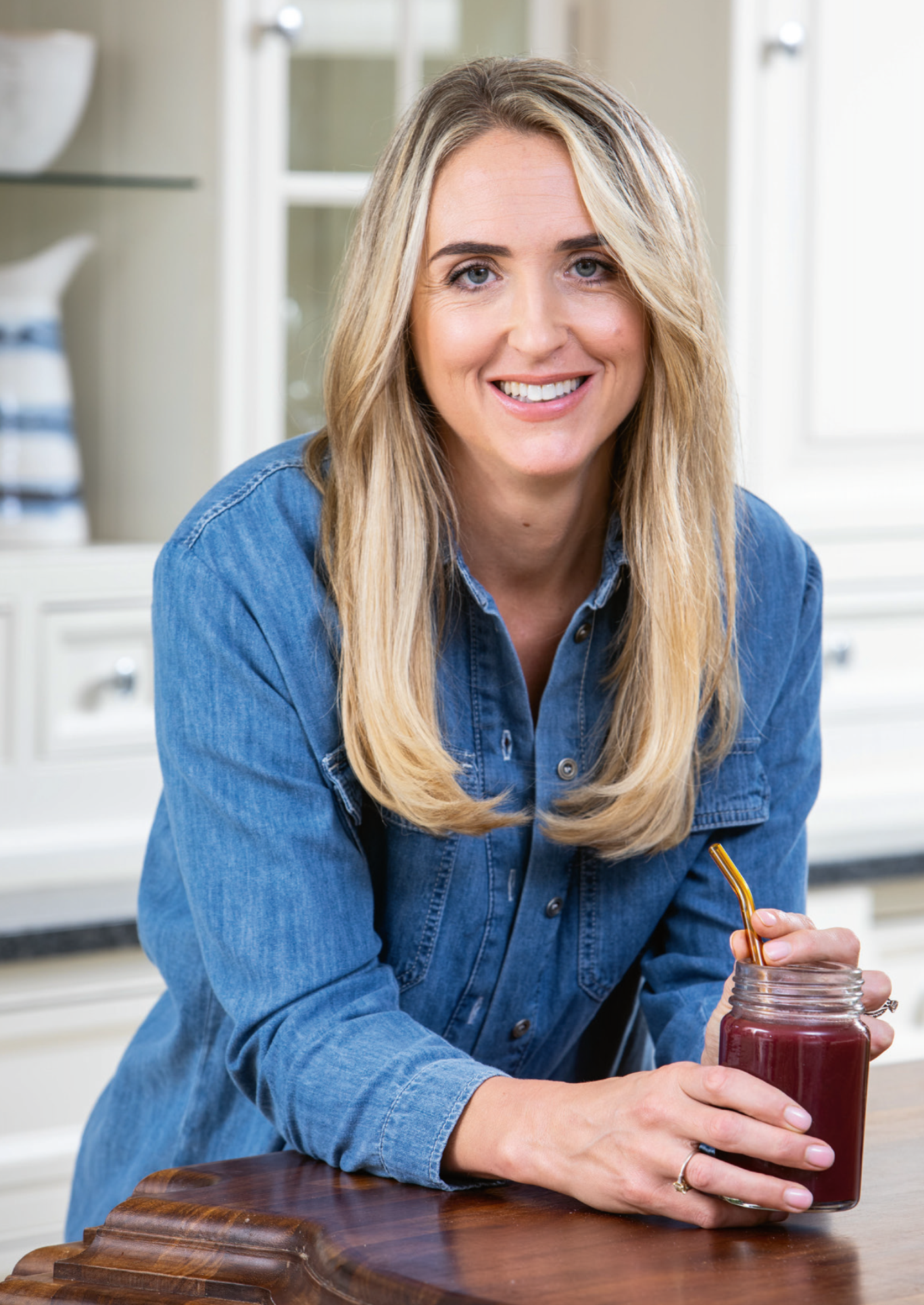
Offering practical advice around food, stress, sleep and exercise, author and nutritional therapist Charlotte Grand wants to help people prepare for conception 
Eating for fertility: What you need to know and eat when planning to conceive

Author and nutritional therapist Charlotte Grand: “We thought it should be easy. At school, we were always taught that we could just get pregnant instantly."
When Charlotte Grand and her husband started trying to have a baby, she was shocked when it didn’t just happen easily: “We thought it should be easy. At school, we were always taught that we could just get pregnant instantly.

“I’ve been with my husband since I was 17, we got married at 25, started trying to have a baby at 26, and it just didn’t happen. It was frustrating. We were both seemingly fit and healthy.

“We went back and forth to doctors for many years, and were eventually diagnosed with unexplained infertility,” says Grand, who is based in Berkshire, South East England.

To deal with the stress of her job —she was a fashion buyer at the time — she started acupuncture, which was the first step towards a different lifestyle.

“The effects [of acupuncture] were amazing. My cycle was regular but painful on day one. After acupuncture, I was pain-free and that really piqued my interest in holistic health, leading to other dietary and lifestyle changes, like a focus on sleep, and trying to destress.”

Positive changes

When Grand was referred for IVF treatment, she decided to make changes to her diet.

“I like to be proactive and take ownership,” she says. “When you’re on that IVF rollercoaster, you don’t have much control, it’s all in the hand of the doctors, so — for me — addressing my nutrition and lifestyle was taking back ownership of my body.”

Grand now has two children, and her experiences motivated her to change her life. She gave up her job in fashion, retrained in acupuncture while pregnant with her first child, and studied nutritional therapy when she was pregnant with baby number two.

“Now that they’re in school, I’m doing my masters in nutritional medicine at the University of Surrey. I’m a glutton for punishment,” she laughs.

All the study paid off. Her book The Fertility Kitchen is “all about getting your body into the best place possible for healthy conception”.

'Addressing my nutrition and lifestyle was taking back ownership of my body'.

Three pillars

It’s packed with information based on three pillars — lifestyle, fertility, and food. The first part of the book focuses on general health and wellbeing, with plenty of practical advice.

Part two is the recipe section, putting the nutritional information into action, with recipes like green shakshuka, yellow coconut curry, and green walnut pesto, along with sweet treats like homemade gummies, or salted macadamia, and cashew butter fudge.

The fertility section is about creating a personalised nutrition and lifestyle plan for both partners.

As Grand notes, a man’s lifestyle and diet also affect his fertility. Food is the why and how to follow this plan — with nutritional information to the fore — and the book contains practical advice on self-care, from sleep to mindset.

Recipes for success

There’s a lot of information in the early chapters, but the payoff comes in the second half of the book, where the recipes put all that information into action.

Although Grand’s dishes are gluten-free and dairy-free, she includes eggs, fish, and meat recipes — but with the mantra that vegetables should be front and centre on the plate.

There are lists of lunchbox ideas, meal plans, and sections that have very simple formulas for basics like granola, abundance bowls, and power bars.

More than 90 recipes cover breakfasts — cinnamon omelettes, apple pie pancakes — through snacks and lunches, mains (green dukkah-crusted cod and beetroot burgers), versatile veggie options, and delicious treats: more than enough options to keep everyone in the household happy.

“I wanted to include some sweet recipes — they’re a nice thing to enjoy once in a while,” says Grand.

“For these recipes, I aimed at keeping the sugar low while retaining flavour, and also including nutritious ingredients.

“There’s even a recipe for gummies! If you like Haribo, then you can transition to these gummies.”

Yellow coconut curry with tiger prawns

Serve up this healthy prawn curry with vibrant turmeric, ginger and coconut flavours for an easy, delicious midweek meal.
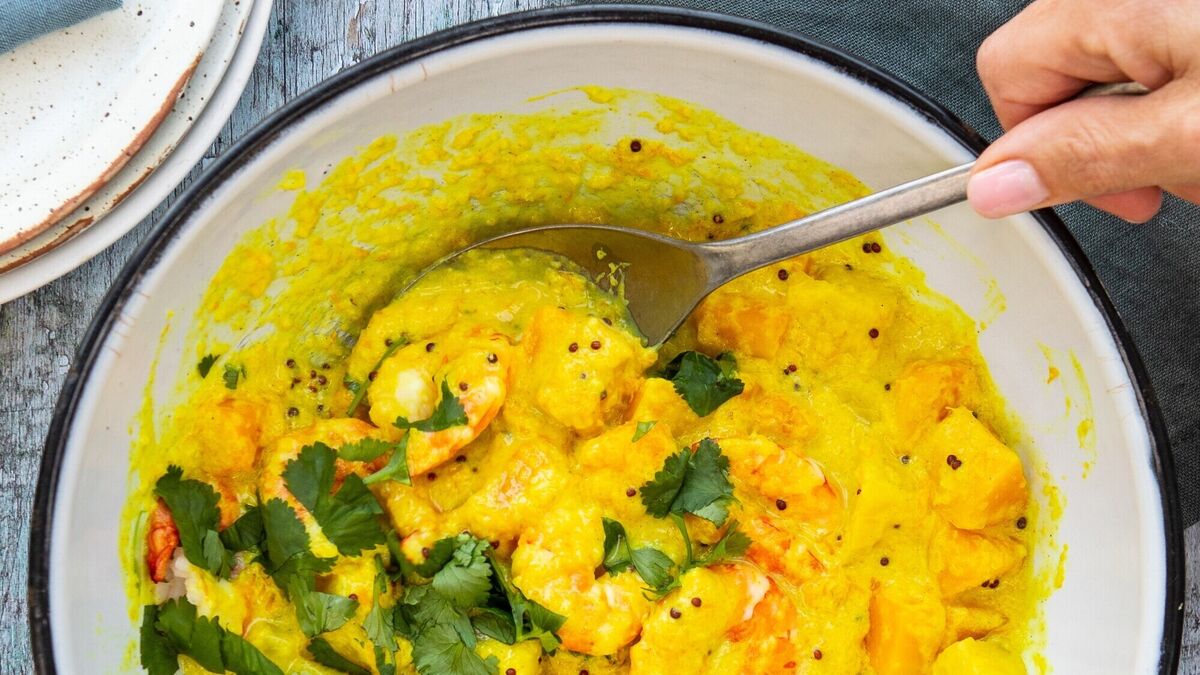
Yellow coconut curry with tiger prawns

Servings

2

Preparation Time

10 mins

Cooking Time

25 mins

Total Time

35 mins

Course

Main

Ingredients

  • 1 lemongrass stalk, trimmed and very finely chopped

  • 2 tsp brown mustard seeds

  • 1⁄2 tsp ground cardamom

  • 1 tsp ground turmeric

  • 1 onion, finely sliced

  • 1 bunch (25g) coriander stalks, finely chopped

  • 2 tsp grated ginger

  • 2 garlic cloves, crushed

  • 1⁄2 tsp sea salt

  • 2–3 tbsp filtered water

  • 1 tbsp extra virgin coconut oil

  • 1⁄2 small butternut squash (about 300g), peeled, deseeded and cut into 1cm dice

  • 6 baby corns, thinly sliced into rounds

  • 400ml (13⁄4 cups) coconut milk

  • 1⁄2 small pineapple (about 200g), peeled, cored and cut into chunks

  • 10–12 pre-cooked extra-large tiger prawns (about 150g)

  • 1 bunch (25g) coriander leaves, roughly chopped, to serve

  • Serving suggestion: Thai-style egg-fried rice

Method

  1. First make a curry paste. Place the lemongrass, mustard seeds, cardamom and turmeric in a wok over a medium–high heat and dry-fry for 1–2 minutes, or until fragrant.

  2. Transfer to a small food processor with the onion, coriander stalks, ginger, garlic, salt and 2 tablespoons of the water. Process to a smooth consistency, adding another tablespoon of water to thin if needed.

  3. Next, make the curry. Heat the oil in the same wok over a medium–high heat. Add the paste and cook for 3–4 minutes, or until fragrant.

  4. Add the butternut squash and corn and stir to coat in the paste and when nicely coloured add the coconut milk and pineapple, cover and bring to a boil. Reduce the heat and simmer for 15 minutes, or until the squash is just tender.

  5. Stir in the prawns and cook for 3–4 minutes, or until warmed through. Divide between serving bowls and sprinkle with the chopped coriander to serve.

  6. Charlotte’s notes: Leftover curry will keep in an airtight glass container in the fridge for up to two days.

Feeling empowered

With practical advice around food, stress, sleep, and exercise, Grand wants to focus on helping people to feel empowered.

“Infertility is not your fault, I don’t want people to think that they haven’t been doing their best,” she says.

“This is not a fertility diet — there is a negative mindset about that — but The Fertility Kitchen is about lifestyle, teaching practices and principles that I hope people will want to continue with forever. I love cooking, I’ve always cooked from scratch, and I hope my love of food and cooking shines through.”

Foods that support health in pregnancy and fertility

  • Nutrient-rich eggs; liver (“it’s nature’s multivitamin”).
  • Veggies — especially the dark green leafy ones
  • Oily fish like mackerel, sardines, salmon.
  • Bone broth, meat on the bone, and slow-cooked meat.
  • See: thefertilitykitchen.co.uk and @thefertilitykitchen.

More in this section

Lifestyle

Newsletter

Eat better, live well and stay inspired with the Irish Examiner’s food, health, entertainment, travel and lifestyle coverage. Delivered to your inbox every Friday morning.

Cookie Policy Privacy Policy Brand Safety FAQ Help Contact Us Terms and Conditions

© Examiner Echo Group Limited