What is a stye and what should I do if I get one on my eyelid?
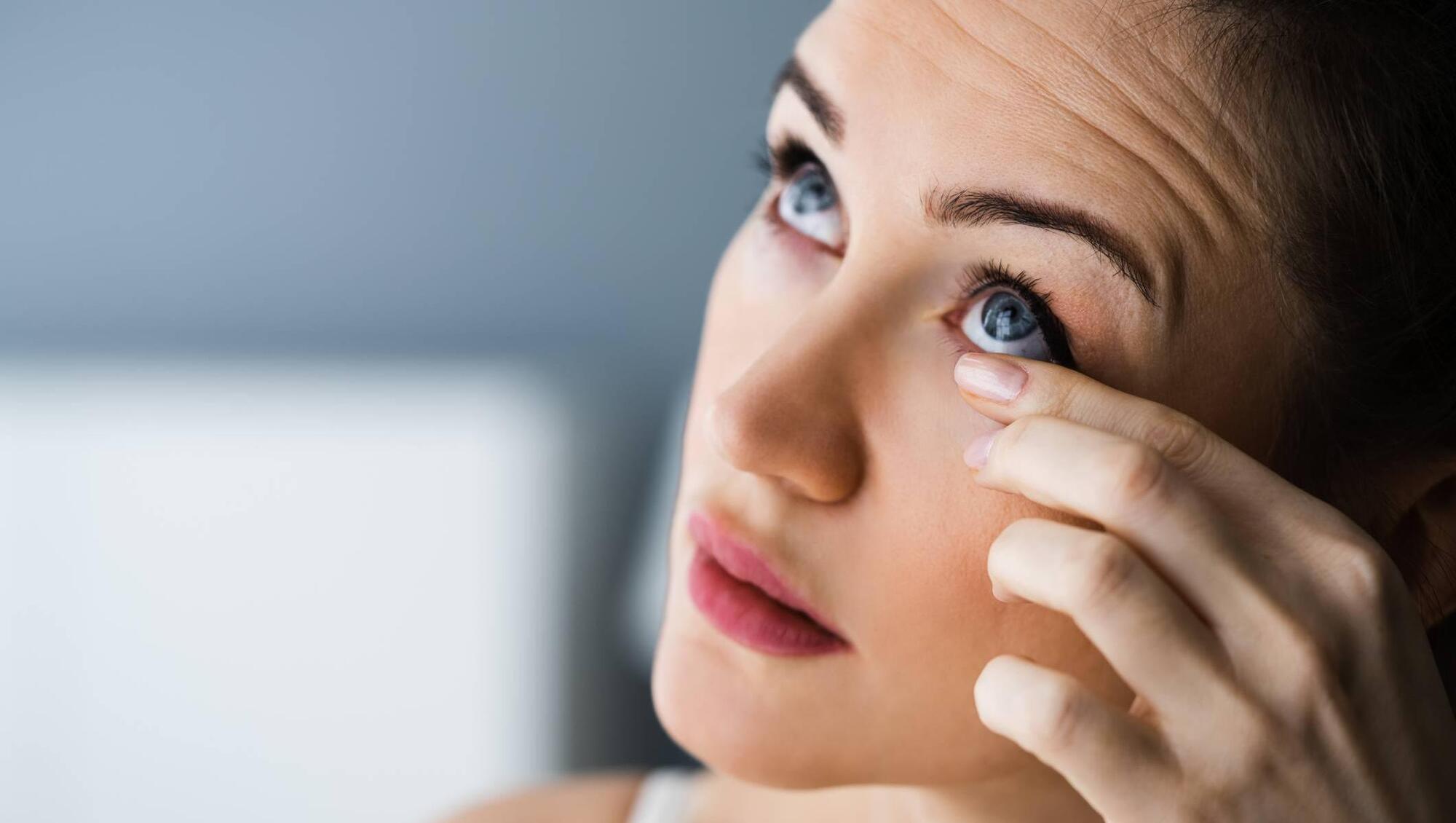
A stye on the eyelid is a very common infection and most people will experience one at least once in their lifetime
If you use TikTok, chances are you’ve seen a woman documenting a stye that appeared on her eyelid in recent days.
Greta May, who lives in Australia, developed a stye that has evolved into a painful-looking puss-filled spot on her eyelid. She has been sharing her experience on TikTok as well as documenting the medical advice she receives. She has made many people aware of styes for the first time and TikTokers have a lot of questions.
A stye on the eyelid is a very common infection and most people will experience one at least once in their lifetime. Dr Bernadette Carr has previously shared her advice on the common eye infection with the Irish Examiner. Here’s what she had to say:
Styes are pus-filled (yellow) spots along the edge of the eyelid at the base of an eyelash that are painful to touch.
They usually start as a small red lump, last a week or two and get better by themselves when the stye bursts and the pus drains away. It corresponds to a boil of the skin elsewhere.
It is important not to try and burst the stye; if it is painful a hot compress may ease the pain. Soak a face cloth in hot water for a few minutes and then wring it out firmly.
Gently hold the face cloth against the closed eye for five to 10 minutes, three or four times a day.
The bacterium which usually causes a stye is the Staphylococcus aureus and can be found on healthy skin without causing any harm. Sometimes they can get into the skin and cause boils or abscesses.
It is possible that you might have transferred the bacteria by rubbing your eye. It is not always possible to prevent the infection but here are some general suggestions which might help to reduce the risk:
- Try not to rub your eyes.
- Wash hands frequently and thoroughly with an anti-bacterial soap, this is particularly important if you have a stye and rub your eyelids.
- Don’t share face cloths or towels if you have a stye.
Medical treatment is usually not necessary, however if the stye is very painful, the eye becomes red, stye spreads to the lower eyelid or it does not heal then you need to make a GP appointment.
The Irish Examiner’s Natural Health columnist Megan Shepperd has some alternative treatments that may ease the pain and swelling caused by a stye, plus some tips on preventing them.
“A gentle solution, such as cool, diluted chamomile, or raspberry-leaf tea, can be pressed on the area with a muslin cloth,” she says.
“Recurring styes are often linked to a deficiency in vitamin A, found in foods such as liver, carrots, spinach, sweet potato, egg yolk, dried apricots, mango, paw paw, rockmelon, and pumpkin.”

CONNECT WITH US TODAY



Be the first to know the latest news and updates