Natural health: What remedy can I take for a pulled muscle?
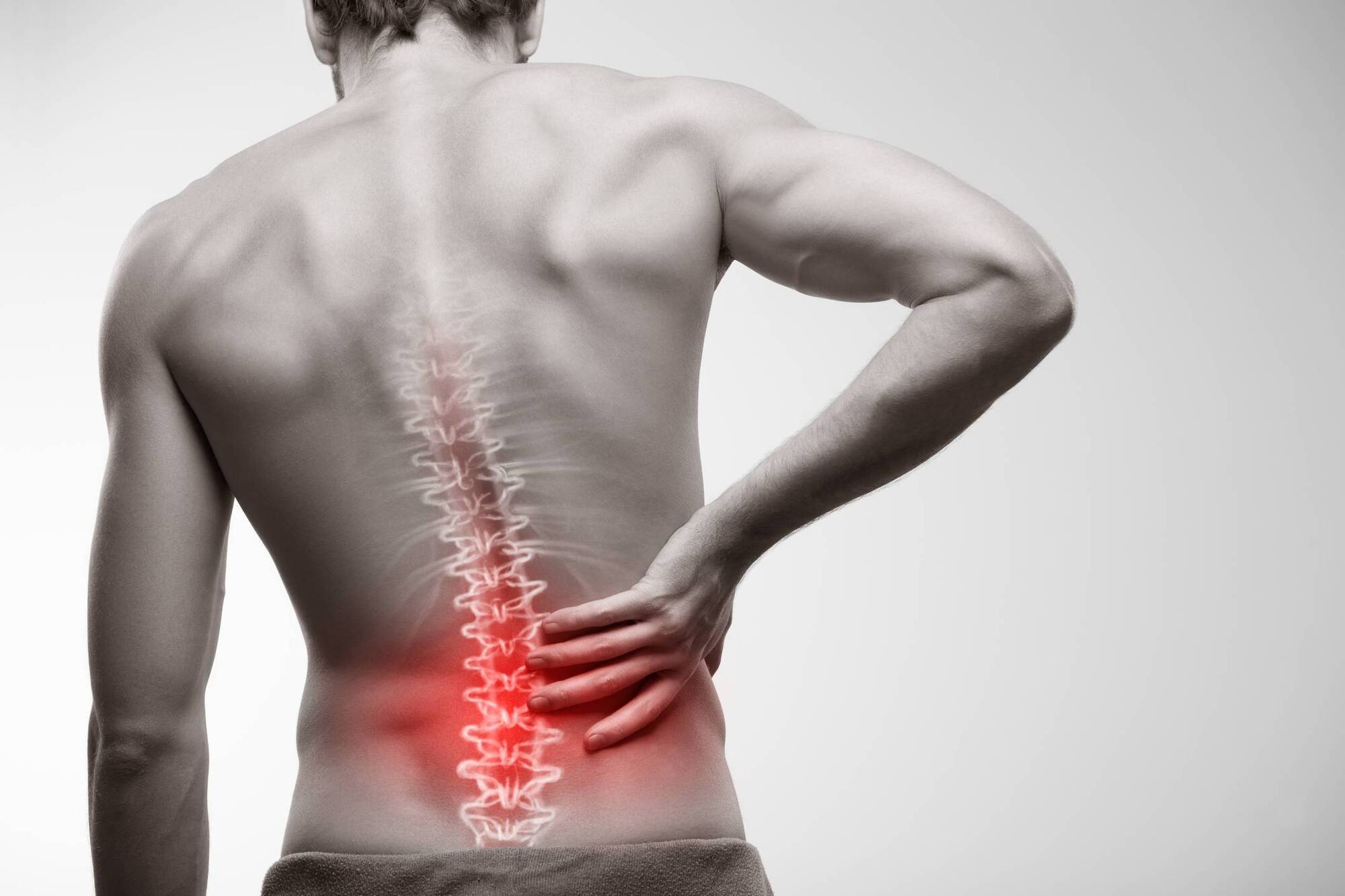
Boswellia can be taken as needed for pain or to offset the pain associated with long-term inflammatory joint or muscular conditions.
Boswellia serrata would be my first choice to treat a recovering pulled or strained muscle. It works by opening the blood vessels causing restriction and pain in the body and has been proven in clinical studies to be as powerful as ibuprofen and other over-the-counter pain relief.
Boswellia can be taken as needed for pain or to offset the pain associated with long-term inflammatory joint or muscular conditions. This herb is most effective if you take it as you feel the pain coming on rather than waiting until the pain is severe. It is used to treat headaches, sports injuries, carpal tunnel syndrome, arthritic conditions, and even menstrual cramps.
Solgar’s standardised full potency boswellia resin extract is available in health stores. Take 450mg in three divided doses of 150mg daily for temporary pain relief. For intense acute pain, you can increase the doses to a maximum of 300mg each. If you use boswellia to address pain as a long-term preventative or for chronic conditions, take 250-300mg daily.
Other natural supplements to consider are MSM (Methyl Sulphonyl Methane), and vitamin C. MSM can be safely taken internally and externally to provide a bioavailable form of organic sulphur — an essential mineral for the integrity of connective tissue. Vitamin C works synergistically with MSM and is an important nutrient for repair and healing within the body.
Polymyalgia Rheumatica (PMR) is an arthritic condition that typically responds well to natural treatment. Characterised by severe pain and stiffness in the muscles and joints, PMR doesn’t cause progressive disability or deformity, unlike most arthritic conditions.
Steroids and painkillers are the most common forms of conventional medical treatment. Many sufferers will find relief within the first week or so of medication, although it can take months or even a couple of years for others.
While the steroid treatment can be fast and effective in the short-term, long-term use may contribute to a range of health issues, including decreased immune function, high blood pressure, and susceptibility to bruising. This means doctors are usually cautious about prescribing steroid medication.
Serrapeptase can help to reduce the required dosage of corticosteroids, which is why people with PMR often take the two together. This is a proteolytic enzyme-based supplement that helps to break down scar tissue, reduce inflammation, and improve mobility without damaging or affecting healthy tissue. To benefit from this enzyme preparation, your mother may need to take the serrapeptase for up to 12 months.
Serra Enzyme is a potent serrapeptase supplement available from health stores, including Here’s Health, where 90 capsules cost €60. The recommended dosage for your mother is two capsules daily with a large glass of water, preferably on an empty stomach.
Excess calcium is common with PMR, so it is essential not to overload the diet or supplement with this mineral. Equally important is to increase the amount of magnesium obtained through the diet to balance out the calcium. Foods rich in magnesium include fish, artichokes, banana, figs, grains, prunes, dairy products, nuts, beans, beet greens, broccoli, legumes, parsnip, pumpkin, spinach, fermented soy products, squash, courgette, tomatoes, and potatoes. Greens, grains, nuts and seeds have the highest bioavailable levels.
As with most arthritic conditions, ensuring an adequate intake of anti-inflammatory essential fatty acids (EFAs), particularly omega-3, is vital. If your mother is not getting enough of these through her diet, supplementation is key.
- Please send your questions to feelgood@examiner.ie
- NOTE: The information contained in this column is not a substitute for medical advice. Always consult a doctor.
CONNECT WITH US TODAY



Be the first to know the latest news and updates