Five laundry tips to help tackle hay fever
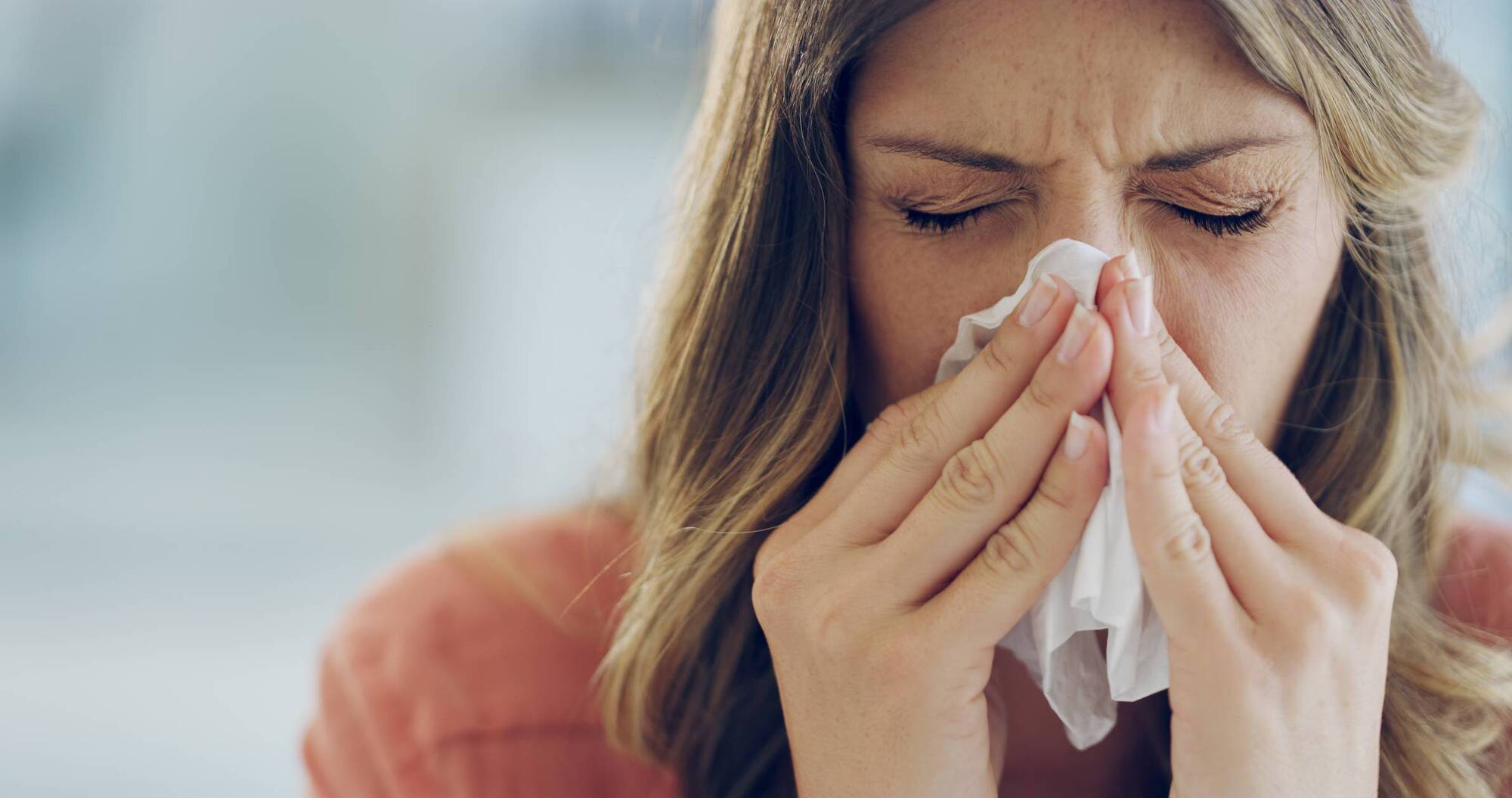
As pollen tends to stick to softer fabrics, looking at how you do your laundry may help to minimise allergies. Picture: iStock.
As the weather warms up, hay fever sufferers across the country are dreading seasonal allergies.
One aspect many people may not consider is changing some of the small habits around washing and drying our clothing. As pollen tends to stick to softer fabrics, looking at how you do your laundry may help to minimise allergies.
With the pollen count set to be high over the weekend, paediatric allergist, Professor Adam Fox has shared his advice on how we can best prevent hay fever symptoms while doing the laundry.
During the summer, hanging clothes outdoors is more sustainable than using tumble dryers. However, during these months there are a few extra things to consider; one of the most crucial being the time of day.
Pollen is easily picked up by the warm air and therefore rises early in the morning and falls back down during dusk.
To avoid these peak times, try hanging clothes out in the middle of the day and getting them inside come dusk. While this is not only the warmest part of the day, it is time when there is less pollen lower to the ground so if you suffer from seasonal allergies, this may be something to consider.
Hanging washing away from sources of pollen such as trees and grass can also help lessen the effects.
Once the washing is in, give your washing line a good wipe before hanging new clothes. This will wash away any particles that may transfer to clean clothing.
Bedding can be another key place where pollen particles collect, particularly as we spend a lot of time face-to-pillowcase.
In the summer months, it’s best to wash our bedding more frequently to help avoid facing even more allergens.
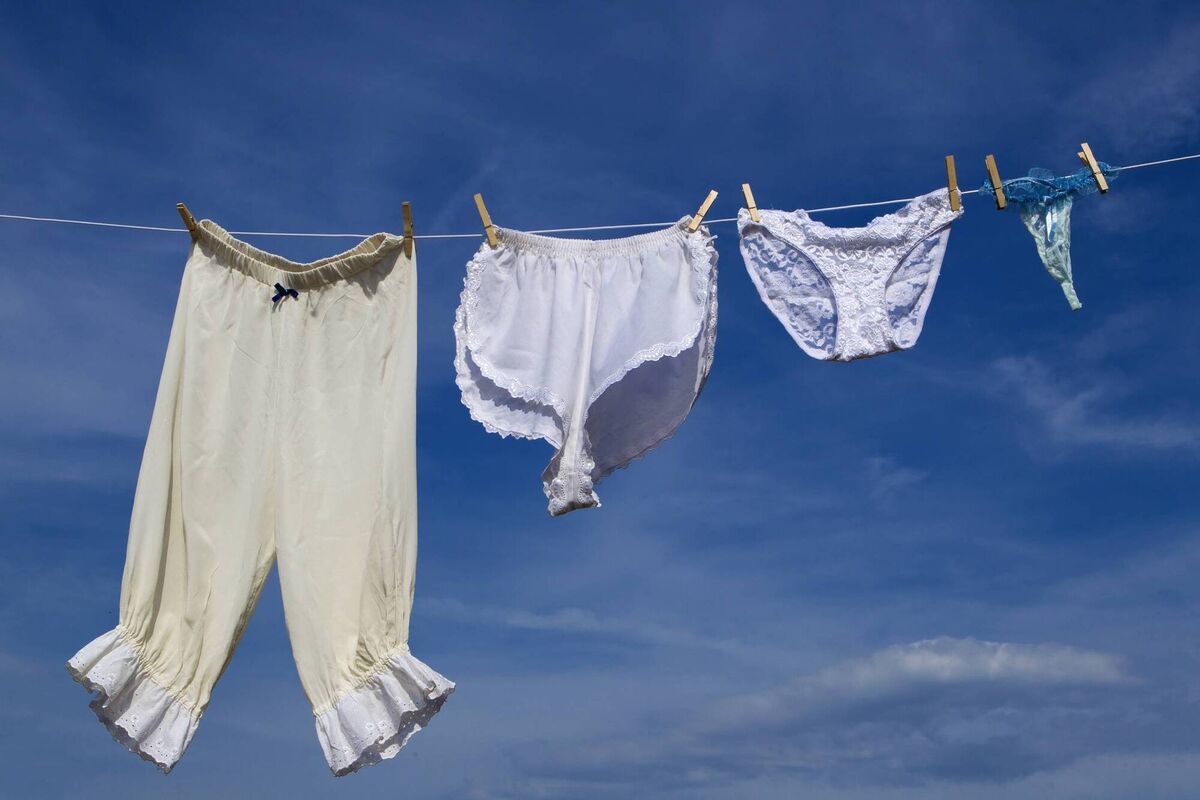
By taking your daytime clothes off before entering the bedroom, you can avoid bringing any pollen particles that may be clinging to fabrics into the bed.
Showering before bed is also advised to help stop any pollen that collects on your body during the day from transferring.
It is also best to avoid leaving bedroom windows open throughout the day as you could be inviting pesky pollen particles that will later settle on bedding.
If drying clothes indoors, it is important to be mindful of open windows, as they will still allow pollen to blow in and settle on fabrics almost as much as if they were hung outside.
If you are a hay fever sufferer, it’s best to make sure those windows are closed if you are drying your clothes indoors,.
If wearing a mask, be sure to wash it. While there is some reason to believe that any physical barrier such as a clean, breathable disposable mask or a fabric mask could be blocking pollen particles, the downside is that without proper hygiene, these could be collecting pollen particles in abundance.
For more information on how our laundry habits could be worsening our hay fever symptoms, see AEG’s blog post with expert Professor Adam Fox.

CONNECT WITH US TODAY



Be the first to know the latest news and updates