I'm a paediatrician — and this is why using your child on social media is wrong

Is it time to end digital child labour?
I was an ‘early adopter’ of the social media platform, Facebook, back in the days when one had to receive an invite in order to join.
When my first child was born, I shared her every milestone, from her first day earthside, to her first birthday. Friends and relatives from around the globe sent kind comments and good wishes. I continued to share photographs until one day I passed someone at work that I did not know at all, and she complimented me on my gorgeous daughter.
I was baffled. How did she know anything about my daughter when she didn’t even know me? I checked my Facebook privacy settings and realized that not only could my friends see my posts, but also friends of my friends, which meant that my child’s little milestones were being seen by hundreds of people.
The thought of this, and the implications for my child made me feel very uneasy. I deleted my posts, tightened up my privacy settings, and never posted anther baby photo to Facebook.
Fast forward 18 years and we have the Metaverse. Facebook, Instagram and WhatsApp are abuzz every day with families sharing information, jokes, memes, and photos of their children. For the most part, these snippets of everyday life stay where they are meant to, in the confines of the phones and computers of friends and families.
But some people have made a career about sharing their lives with the whole world. Before smartphones and apps, and forward facing ‘selfie cameras’, adults had started to video log (vlog) their lives and upload them to Youtube. Amongst the most popular of these were vlogs featuring the seemingly mundane everyday of families with young children. Soon these vlogs had thousands, or even millions of followers.
Companies spotted a chance to market their wares to the world wide web. Soon, vlogging families were endorsing and promoting products, a mutually beneficial arrangement that opened up an entire new advertising stream for business, and a revenue stream for vloggers.
My own children followed the fun and the antics of these families enthusiastically. Most of it was harmless fluff, but videos of children being pranked by their parents, their fright or upset being recorded and uploaded as ‘content’, arguments with siblings and parents, sat uneasily with me.

Meanwhile, Mark Zuckerberg was building his Metaverse, and Facebook continued to be a platform for sharing snaps of family holidays and occasions. On Instagram, something different was happening. Instagram was the home of the digital native. Younger folk who had grown up with the internet, who were taking prettier, or more dramatic photographs of their adventures.
As some of these people gained more and more followers, and began sharing where they were staying, what they were wearing, a new species emerged. The Influencer. In the early days of Instagram, the influencers were young, free and fabulous. Now, many of them are settling down and having babies. In an apparently seamless segue, in some cases, the babies became part of the image. Part of the ‘brand’. In addition to influencers who are now parents, we have seen the rise of parents who are now influencers.
Very often these ‘parent influencers’ (often called ‘momfluencers’ as it is a female-dominated niche) share nuggets of their lives, the ups and downs of parenting, and so-called ‘parenting hacks’- tips for other parents who are living busy lives. This is also known as ‘sharenting’, and it can be a source of comfort and information for many parents.
Instagram is no longer the well-lit, atmospheric series of high-resolution photos that it was at its inception. With the advent of stories, and reels, and influencers, it has become a market place. The ‘feed’ in Instagram is speckled with adverts, and sponsored posts. As with all marketplaces, numbers are currency. The more followers an influencer has, the greater their value. The more interactions and likes and influencers’ content gets, the greater its value.
And the most liked and interacted with content? That’s right, photos and videos of cute children. Just like with Youtube, businesses have spotted an opportunity. Influencers share snaps of their children enjoying certain products, endorsing them, and reaching thousands of followers with a single post. In return, they may receive the product itself, or a fee.
If the social media marketplace were a real place, and we were to walk in and look around, we would see three types of stall. One type of stall with just the produce that is for sale, another type where the children are playing with or modelling the product that is for sale, and a third type of stall where the children themselves are the product, where crowds gather around to simply watch. What a strange and uncomfortable place this market would be.
Yet, almost unnoticed, children around the world are performing labour. The thing is, it is digital labour. It has become so commonplace as to be almost invisible, but it has real-world implications for the children being used to gain clicks, views and likes, or to market products.
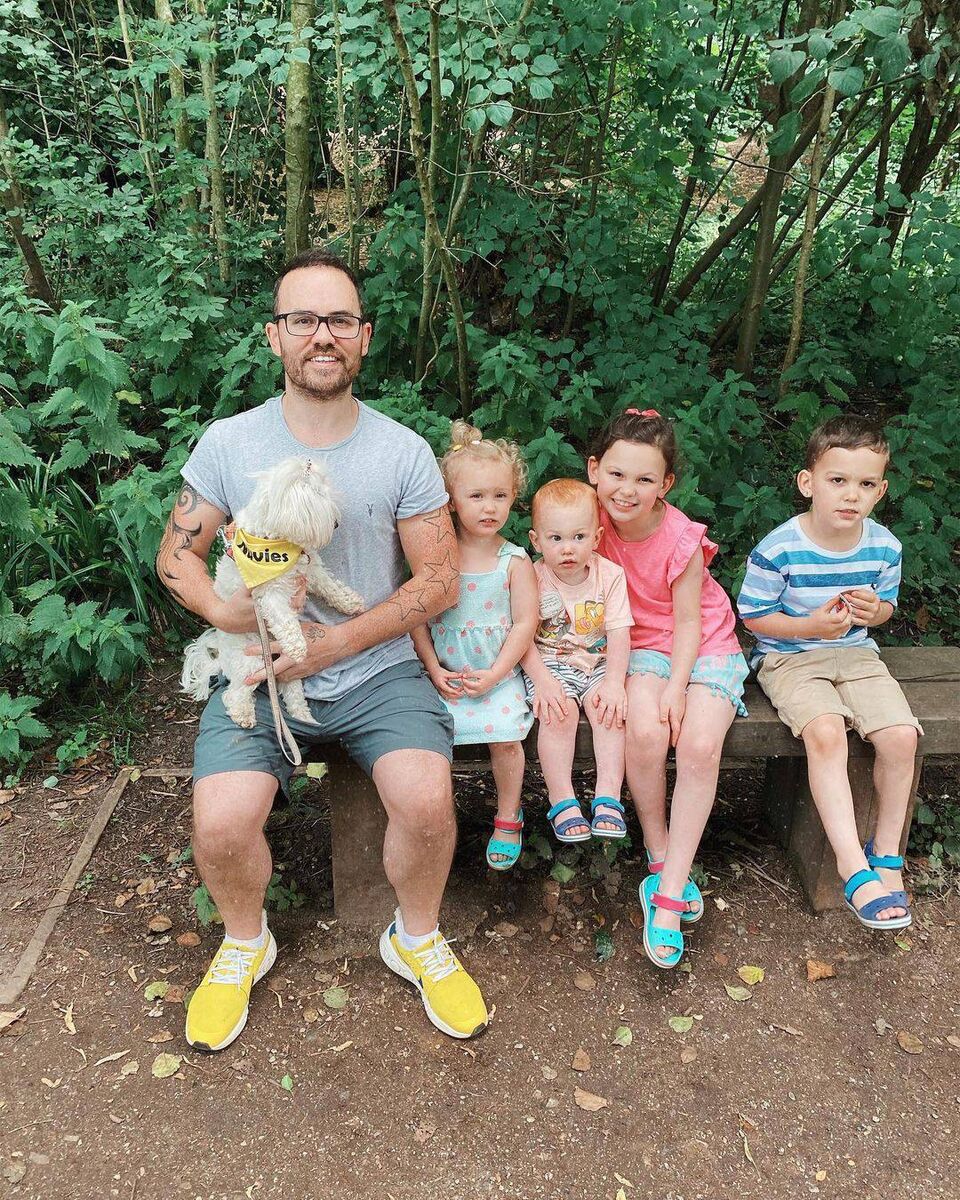
The primary concerns are the rights and the safety of the children involved. In the context of the rights of the child there are two main issues. First is the ability of the child to consent. It simply isn’t there. The concept of social media means absolutely nothing to them now. But what about when they get older?
Will they look at the immense back catalogue of information about their lives, their birthdays, their milestones, their illnesses, their triumphs, and realise that thousands of people shared in those moments? And will they think: hang on, I never agreed to this?
For young children, the onus is on their parents and guardians to make the right decision for them. And they are within their rights, currently, to share whatever they wish online. But being within their rights does not make it right.
The second issue is the right of the child to privacy. With tantrums and potty training amongst the popular content shared online, it is clear that making all aspects of a child’s life available for public viewing is a breach of their privacy. Once it is shared, the ‘parent influencers’ have created an indelible digital footprint of their child. One which in years to come may cause that child embarrassment or distress.
The other major concern is of course, safety. When a child becomes recognizable in public, in the absence of a parent, there is potential for them to become a target. Furthermore, there is a real risk that images posted online can be screenshotted, shared, and manipulated to look like something very sinister.
There are three layers of responsibility that I think should be adopted. Firstly, legislation is required to protect children who are used both AS the product, and to market products. Secondly, the social media platforms themselves should have stricter child protection protocols in place. Thirdly, the viewers should no longer engage with accounts and companies that use children in a way that compromises their rights and their safety.
It is time to protect children, their rights, their privacy, and their safety.
It is time to end digital child labour.
- Dr Lynch is a consultant in paediatrics in the Bon Secours Hospital in Cork. She has a special interest in paediatric neurology.


CONNECT WITH US TODAY



Be the first to know the latest news and updates