PMDD: 'I feel like my personality is railroaded by it'
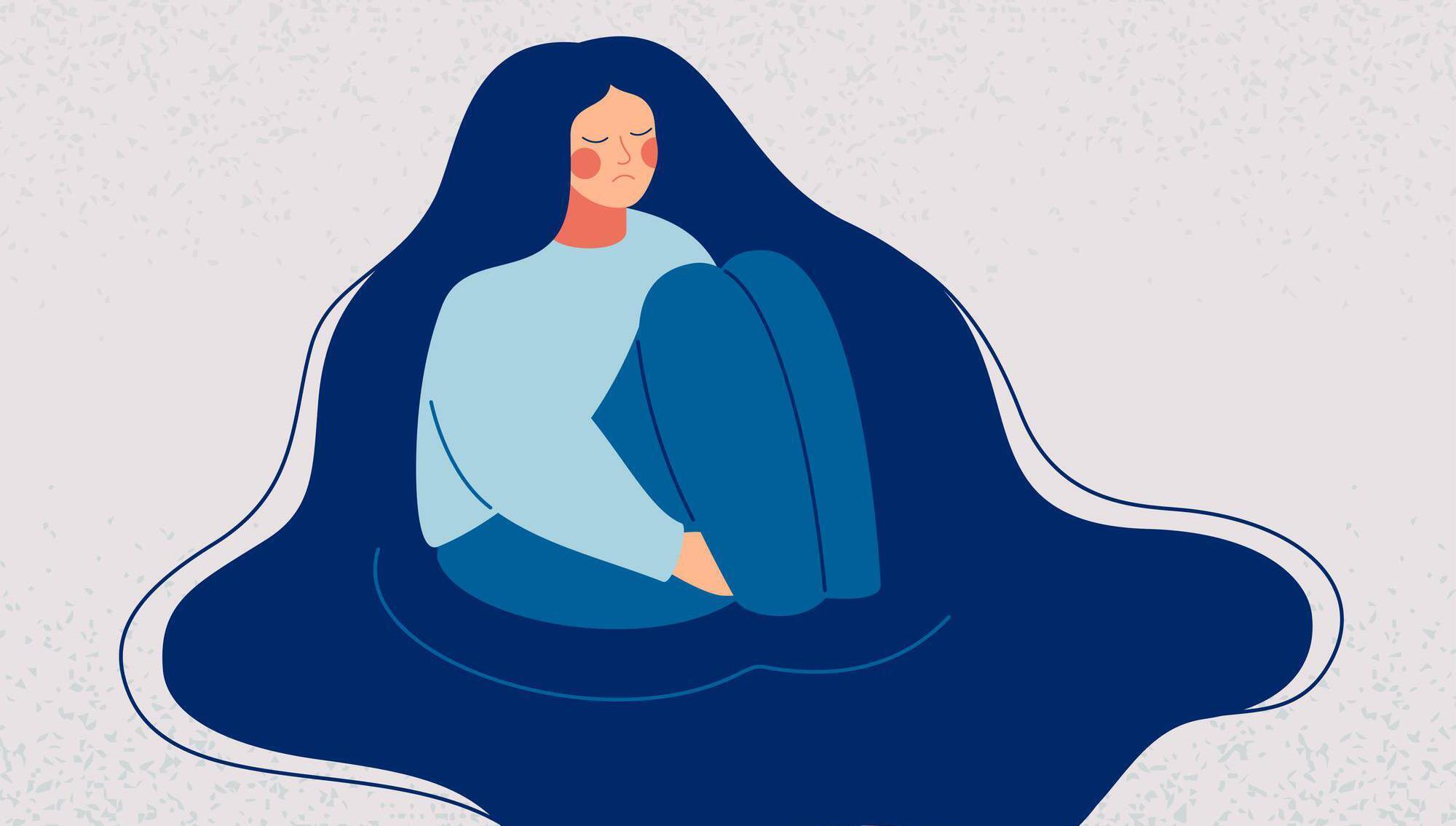
The International Association for Premenstrual Disorders (IAPMD) says PMDD affects approximately 5.5% of women
Many women experience mild emotional or physical symptoms before their period, but this may not impact their overall quality of life. Premenstrual dysphoric disorder (PMDD) is a severe form of premenstrual syndrome (PMS). Psychological symptoms include mood swings, irritability, anger, anxiety, depression, and suicidal feelings. Physical symptoms range from exhaustion, breast tenderness and bloating to headaches.
PMDD strikes during the premenstrual or luteal (between ovulation and menstruation) phase of the menstrual cycle and subsides within a few days of menstruation.
The International Association for Premenstrual Disorders (IAPMD) says PMDD affects approximately 5.5% of women. Although it’s connected to the menstrual cycle, the association says PMDD is not a hormone imbalance but a severe negative reaction in the brain to the natural rise and fall of oestrogen and progesterone.
‘I go into a world of my own and I hate myself’
“I’d be grand and then two weeks before [my period], I just go into a world of my own and I hate myself. And I just want to run and keep running,” says 37-year-old Emma.
Her mood would transform once she got her period, “all of a sudden, you’re grand, you’re happy.”
Emma, who lives in Kildare, has long struggled with her mental health and has had several suicide attempts and admissions to psychiatric wards. She was diagnosed with borderline personality disorder (BPD), PTSD and bulimia.
Her husband noticed that it was nearly always around her period that she got worse or experienced incidents of self-harm or suicide attempts. She repeatedly tried to raise the cyclical nature of her symptoms with mental health services but says this was dismissed. “Their answer was every woman has difficulty with their period”.
While termed “crisis admissions”, she says her admissions to psychiatric wards were due to PMDD. From talking to other women during hospital admissions, she found that many had experienced worsening symptoms before their period.
Through an Irish PMDD Facebook group, Emma found a doctor recommendation. She broke down in tears in the medic’s office, relieved to finally find someone who took her symptoms seriously.
She has started hormone therapy and is vocal about raising awareness of PMDD, calling for the education of doctors so that other women might get the support they need.
“I just wish that everybody who was feeling the way I was feeling knew that there is somewhere to go. PMDD is a very serious illness. I just want to tell everyone. I care about the women who have already taken their life.”
‘It’s not black and white’
“I feel like my personality is railroaded by it,” says Anne, 43, who lives in Dublin.
She recently got a referral from her GP to a psychiatrist who said her symptoms were ‘textbook’ for PMDD. The psychiatrist advised taking supplements - vitamin B6 and calcium - as she was already taking anti-anxiety medication.
Anne experiences a flare-up of symptoms mid-cycle - around day 14, ranging from feeling empty and despondent to all-consuming anxiety or cathartic sobbing.
PMDD is “not black and white”, she says. “There are variables with everything. I’ve got three kids. Life’s happening in the background. You’re like, ‘Oh, could it be that?’. Could it be the weather that affected me?” Looking back, she thinks she had PMDD since she began having periods aged 13. When the symptoms passed, she would ask herself, “Is it really that bad?”. But then she would be plunged into the same debilitating symptoms a month later.
Watching a video of a talk by Irish psychiatrist Dr Robert Daly on PMDD was a lightbulb moment .“I always felt for years — why do I get this emotional? Why do I get this down?”
Having an answer to what was happening was empowering. “I think if you’ve got a name for something, you can do something about it. You can’t necessarily fix it, but you can live with it or work with it or try to do something to help it”.
‘At my worst, every month I was suicidal’
Marie, 41, has experienced PMDD since her 20s. One half of the month, she would feel efficient and bright; the other half, exhausted and often suicidal. In the year after her daughter was born, things worsened.
“Maybe I had one good week and then three bad weeks. Which was awful - you were only just pulling yourself back together and you knew it was coming again. At my worst, every month, I was suicidal without fail. And then I would be OK.”
During a particularly difficult time, Marie was admitted to a psychiatric ward. She pushed to have her PMDD acknowledged. Seeing her through two weeks of her cycle, her mental health team began to recognise that what she was experiencing was not, as had been suggested, borderline personality disorder.
On leaving hospital, Marie advocated for her care, for example, to see the same doctor at outpatient visits.
“Learning to cope [with PMDD] has been a really big thing. I do a lot of yoga, running, walking, gardening, and dancing”.
She also uses CBD oil and magnesium supplements and finds the strategies she uses to manage her autism (she was diagnosed aged 40) also help manage her PMDD.
Diagnosis and treatments
Dr Sarah Callaghan is a Dublin-based GP specialising in women’s health and sees patients with varying severity of symptoms of PMS/PMDD. Diagnosis is made based on a detailed menstrual and symptom history together with a diary monitoring physical and behavioural symptoms over two to three months.
As with many chronic conditions, it can take time to get to the underlying root cause, says Dr O’Callaghan. “I think the use of the prospective diary in tracking symptoms is a very helpful tool in making the diagnosis and patients’ can bring this to their doctor to help guide the consultation.”
Treatments, she says, are focused on relieving symptoms and reducing functional impairment. “Dietary modification, exercise, stress management and cognitive behavioural therapy can be of benefit for milder symptoms. There is some evidence to support supplements, including calcium, vitamin D, magnesium, vitamin B6, Agnus castus and red clover.
“It’s likely that women with moderate to severe symptoms of PMS/PMDD will require medical therapy. Your doctor can discuss options including selective serotonin reuptake inhibitors and/or combined oral oestrogen-progestin contraceptives. Transdermal oestrogen with progesterone can be used as a second-line treatment.
“Gonadotropin-releasing hormone GnRH analogues (which cause ovarian suppression) and surgical treatment are reserved for severe PMDD cases, which ideally require a multidisciplinary approach involving gynaecology and psychiatry services.
“The surgical option requires inducing a surgical menopause through bilateral oophorectomy (removal of both ovaries). The uterus is often removed too to avoid the need for progesterone as part of the HRT regime post-surgery as progesterone can cause mood disturbance issues.”
Dr Callaghan has an important take-home message: “Watch for cyclical symptoms affecting your quality of life in the second half of your menstrual cycle and resolving around the onset of your period. If you have any doubt, track your symptoms (see the diary link below), and bring this to your doctor. It’s important not to delay diagnosis as excellent treatments and supports are available.”
Resources
- A symptom chart/diary is available at pms.org.uk along with other online resources and support.
- More information and resources can be found at iapmd.org
- Additional women’s health resources: @completewomenshealth (Dr Sarah Callaghan) on Instagram; PMDD Ireland (Facebook support group)
NOTE: If you have been affected by the issues raised in this article you can contact the Samaritans: freephone 116 123 or samaritans.org; Pieta 24hr crisis helpline, 1800 247 247 or text HELP to 51444
Some names have been changed

Subscribe to access all of the Irish Examiner.
Try unlimited access from only €1.50 a week
Already a subscriber? Sign in
CONNECT WITH US TODAY
Be the first to know the latest news and updates

Celebrating 25 years of health and wellbeing