I'm a cancer surgeon and survivor and The Happy Pear were wrong about mushrooms
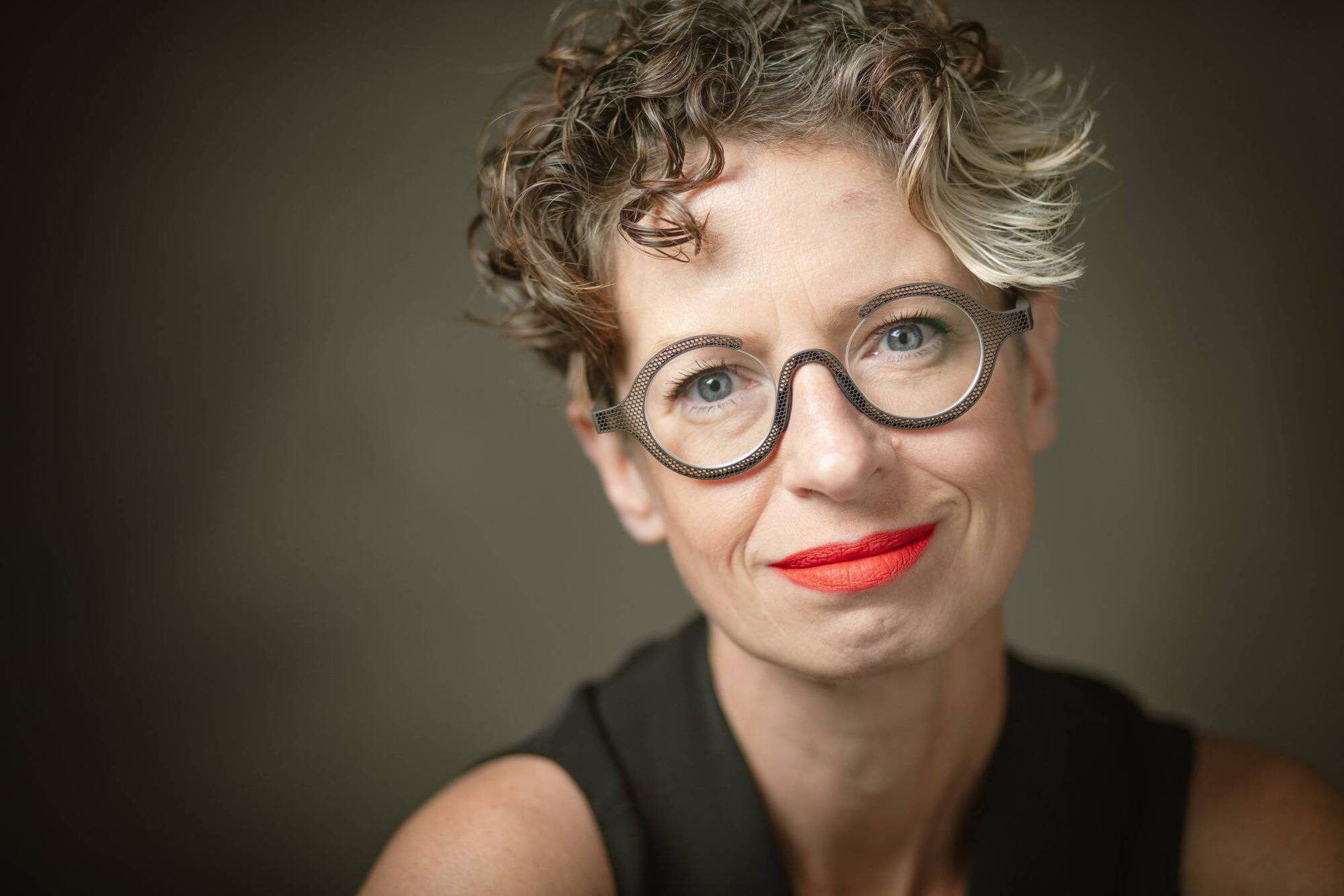
Dr Liz O'Riordan is an author and cancer surgeon based in the Uk.
Last week, breast cancer surgeon Dr Liz O’Riordan began to hear from women on social media, asking about a claim made by Stephen and David Flynn of The Happy Pear that mushrooms could prevent breast cancer.
In the now-deleted Instagram reel, as well as recommending including soy products in your diet and cutting dairy, they claimed that mushrooms could reduce the risk of breast cancer.
“I don’t follow them,” says O’Riordan from her UK base. “But, when all these women were getting touch about it, saying ‘we’re scared, we’re worried, we’re angry,’ I knew I had to look at it.”
Dr O’Riordan is best-placed for offering advice to people undergoing cancer treatment, because not only does she treat it, but she experienced it herself – twice. “When I looked at the video, I thought wow, a lot of this is wrong. I'm all about explaining what's real, what's not in common sense terms.”
Some of the information in the Instagram post was right, she says. “We do know that being a healthy weight and that exercising can halve your risk of most common cancers. However, there is no evidence to say that mushrooms will reduce your risk or eating soy will reduce your risk of getting cancer.”
As well as being a breast surgeon, I’ve got a PhD in the molecular oncology I do know what I’m talking about. https://t.co/ayiqh8utjN
— Dr Liz O'Riordan (@Liz_ORiordan) April 25, 2022
Over the course of her career, one of the most damaging things that O’Riordan has seen is an epidemic of cancer shaming. “I’ve had people asking me ‘is it my fault I’ve got cancer,’ and it’s just not true.”
She has a very simple way of debunking the claim about mushrooms in the reel by The Happy Pear. “What I’ve been saying to people is, if what they said was true, then every doctor would tell every parent to feed their children mushrooms and soy and go vegan, but we're not because it's not true.”
There is no conclusive evidence around cutting out dairy either, she says. “Those claims come from a study called The China Study which has now been debunked. It’s safe to eat anything as part of a healthy, balanced diet. Your diet is not going to give you cancer.”
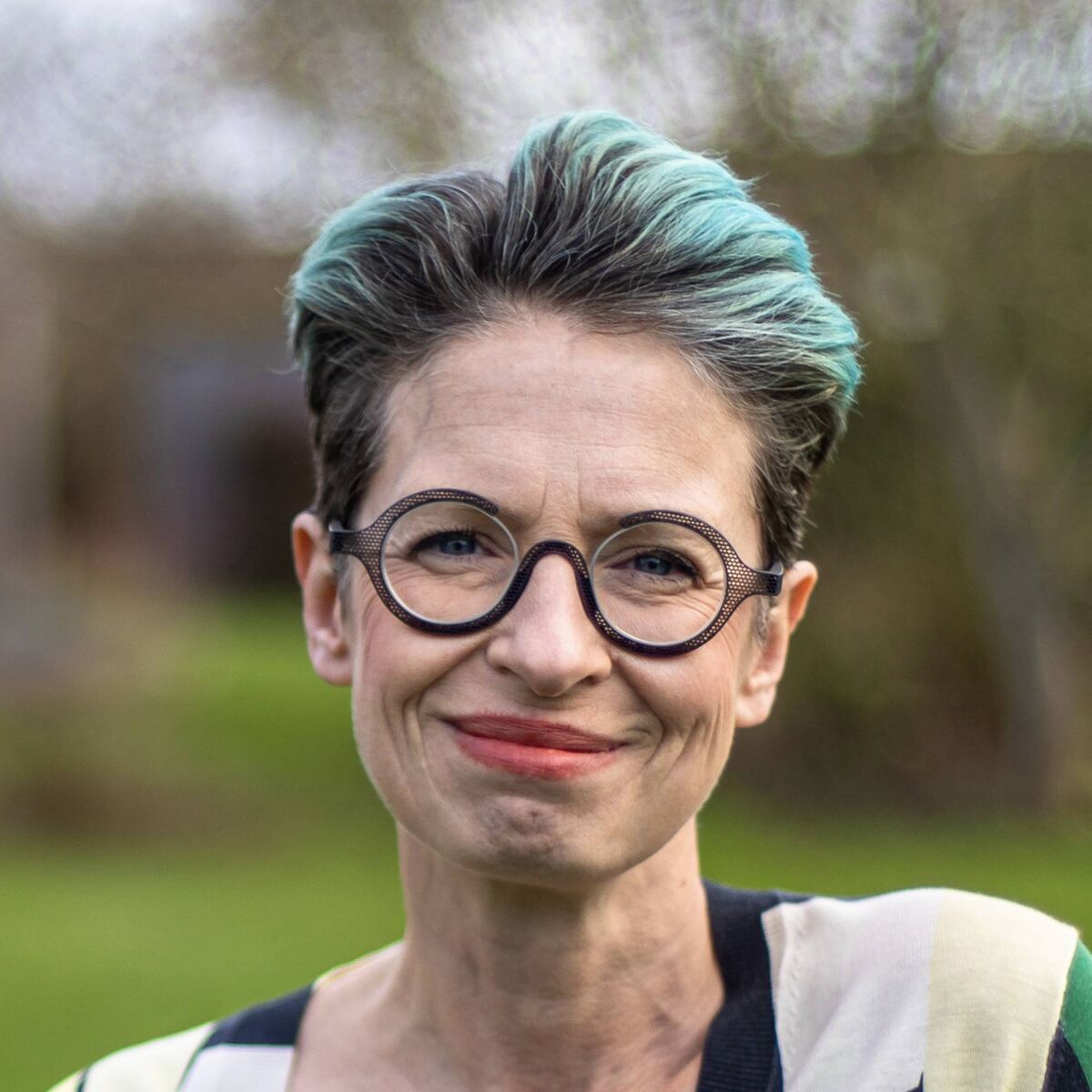
At the age of forty, Dr O’Riordan was diagnosed with breast cancer in what she calls, bad luck. “I was slim, I was a triathlete. I still got it twice.” Experiencing cancer as a cancer doctor completely changed her view of how to treat patients.
“I realised how little I knew about what it was like to live with cancer and how little I did to help my patients,” she explains. "For the first time, I understood that doctors only see the hospital treatment - we have no idea what it's like to live in the real world afterwards. There is the fear of recurrence, you see someone in the press dying every day, so it makes sense that if someone tells you that taking a supplement will cure you, you’re likely to look into it.”
Following her own diagnosis, O’Riordan questioned her diet. “Of course I did. I understand how scary and vulnerable it is. And you want to do anything you can to stop your cancer coming back. But you have to take everything you read with a pinch of salt."
The fear that comes hand in hand with cancer can make us feel desperately vulnerable, something that she experienced herself, particularly the second time around. “When my cancer came back my Mum said ‘if someone told me a treatment in Turkey the cost £50,000 would cure you, I’d give them the money.’ And I understood, because I wanted a solution like that too.”
This is the fundamental issue that Dr O’Riordan has with statements like those made in the Instagram reel by The Happy Pear. At our most vulnerable point is when we need the most trustworthy, evidence-based advice.
“I was concerned that The Happy Pear took down their video. I thought, if you believed that mushrooms reduced the risk of cancer then say ‘we got the messaging wrong, but here’s the evidence’. But they didn’t do that.”
Social media is an arena that she takes extremely seriously, because she knows that what she says matters. “Anything I post I will research I will check to the best of my ability that it's correct because I know there are people hanging on my every word and I think if you are posting things out there, you have to make sure that you are telling the truth as much as you can.”
Before posting her reaction to their post on twitter, O’Riordan contacted The Happy Pear but they didn’t reply.
Dr O’Riordan’s mission is to make people as informed as possible about their own health. While going through chemotherapy she realised that her hero, Dr Tricia Greenhalgh was also having cancer treatment. Together, they wrote a book - The Complete Guide to Breast Cancer: How to Feel Empowered and Take Control – to answer all the unanswered questions they had while they were going through treatment.
“There we were – experts in cancer – buying twenty books written by women who had experienced the disease to tell us how to navigate it."
The experience has made her passionate about informed consent.
“I want us to question everything. I want patients to challenge doctors and say is this really the best thing for me? It’s the whole point of informed consent. You need to ask your doctor ‘are there other options? Is this really the best thing? What is it going to do for me?’”
The same goes for what she calls ‘nutribollox’ that we see on social media. “Most doctors, oncologists and surgeons – we're not nutritionists so we don’t give diet advice. We don't really know what is going on in the whole world of social media and influencers. Patients will read these blogs and podcasts and spend money on supplements and avoid sugar or buy Turkey Tail mushrooms in the belief that one person has said it will cure them or it will reduce the risk. And no one backs up the science. I want to show people how to work out if it is true or not.”
CONNECT WITH US TODAY



Be the first to know the latest news and updates