Safety first: New voluntary code of practice for child car seat retailers
Rearward-facing seats are up to five times safer
Safety first: New voluntary code of practice for child car seat retailers

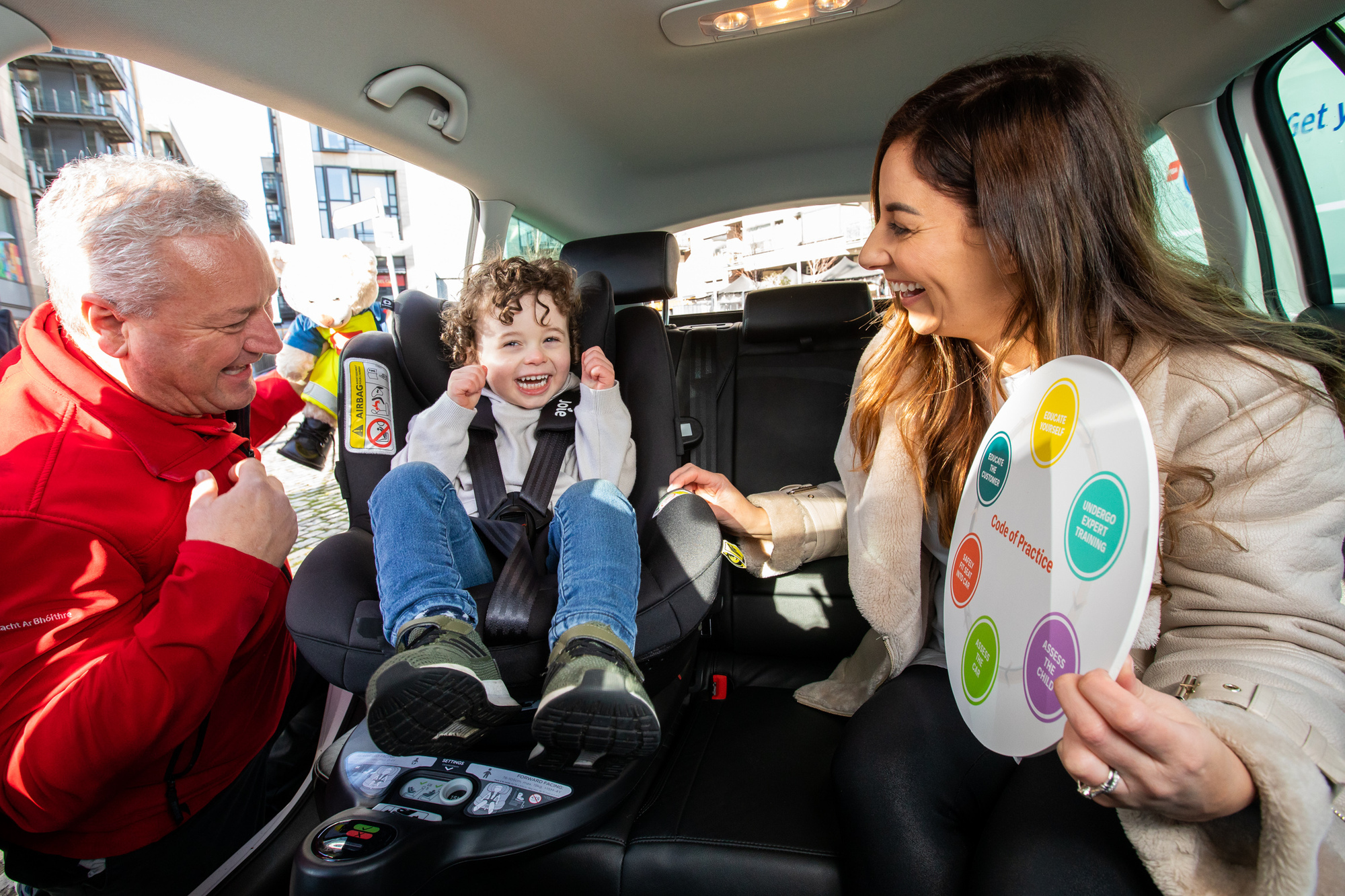
The RSA  has launched a new voluntary code of practice for child car seat retailers to increase awareness of car seat safety and reduce misuse rates. At the launch were Senan Hickey, with mum Martina (right) and Ron Richardson, Check It Fits Roadshow Manager, Road Safety Authority (left).

Over half of child car seats checked by the Road Safety Authority’s Check it Fits service were incorrectly fitted and needed some type of adjustment to make them a safe fit. The RSA is warning parents if a child’s car seat isn’t fitted correctly it could lead to serious or fatal injury in the event of collision.

The 2019 research also found almost one-third of seats fitted incorrectly needed major adjustments. RSA senior road safety promotion officer Aisling Sloyan says examples of incorrect fitting needing major adjustment include the seat being excessively loose. “This means it would be almost ineffective in the event of a crash.”

In a bid to increase awareness of car seat safety and reduce misuse rates, the RSA has launched a new voluntary code of practice for child car seat retailers. It aims to ensure best practice is achieved when parents/guardians are buying a child restraint system. To date, 15 child car seat retailers – comprising 40 stores nationwide – have committed to the new code. Three child car seat manufacturers are signed up, with interest from another three.

Sloyan, who is mum to Seamus, three, and 10-month-old Saoirse, acknowledges choosing a child’s car seat can be overwhelming with advice coming from all sides. But she urges people not to buy blindly and instead to hone in on three vital principles:

  • Ensure seat is suitable for your child – for their height, weight and age.
  • Ensure seat is suitable for your car.
  • Ensure it can be fitted safely in your car.

Sloyan is determined to keep her children in rearward-facing seats until they weigh 25kg (age four-six years approximately). “Rearward-facing seats are up to five times safer – the seat, rather than the child’s body, absorbs the crash force if you’re in a crash. It prioritises protection of the head, neck and spine.”

She says there has been a huge sea-change around rearward-facing seats. “They used to be very difficult to fit into cars and very expensive, but the market has improved. They’re much more affordable now. Almost everybody is opting for rearward-facing for as long as they can.”

A frequently asked question put to Sloyan is: How often should I check my child’s car seat? “Everyday – that’s how often you should check your child’s harness and headrest are adjusted correctly so the child is very snug in the car seat. The idea is to reduce the movement of a child in the event of crash or hard braking – so as to protect the head, neck and spine.” 

Check it fits:

  • After a two-year pandemic-related absence, RSA’s face-to-face child car seat checking service is back on the road.
  • Visit exa.mn/RSA-check-it-fits for updates/details on locations it will visit.
  • In October 2020 a virtual checking service was introduced due to Covid-19 – over 1,500 car seats were checked virtually across 136 virtual checking days. Virtual checking continues.
  • Look out for RSA Code of Practice stickers in retailer outlets or check the list of participating retailers on www.rsa.ie

More in this section

Lifestyle

Newsletter

The best food, health, entertainment and lifestyle content from the Irish Examiner, direct to your inbox.

Cookie Policy Privacy Policy Brand Safety FAQ Help Contact Us Terms and Conditions

© Examiner Echo Group Limited