Natural health: How to make your own cough remedy  
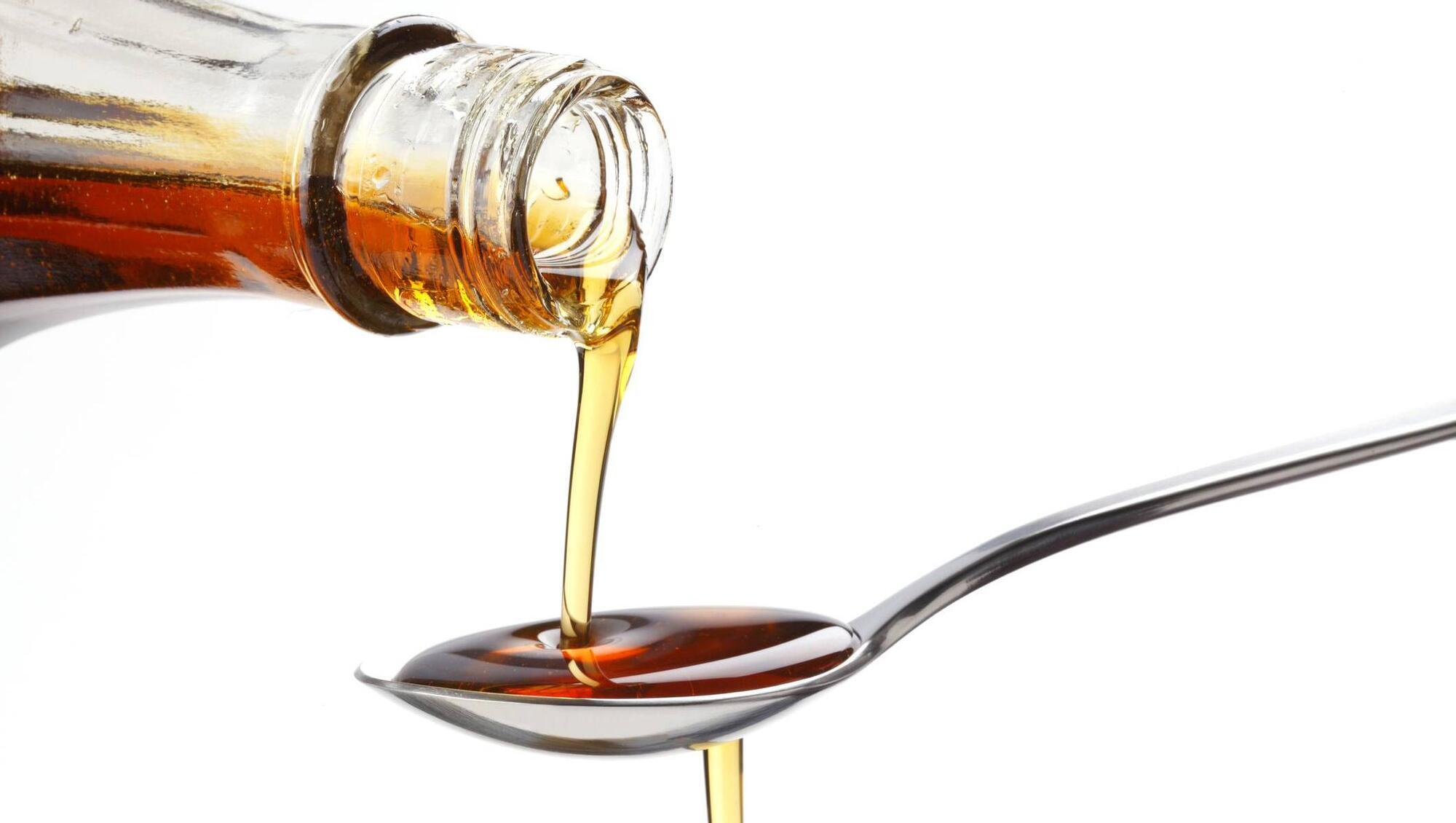
Many herbs and spices can be helpful in a cough mixture, so choosing the ones that appeal in terms of their benefits and flavour makes sense. 
Natural health: How to make your own cough remedy  

Making your own cough bottle? Easy.

I’d like to make a natural cough mixture for my children. What ingredients would you recommend?

Many herbs and spices can be helpful in a cough mixture, so choosing the ones that appeal in terms of their benefits and flavour makes sense. 

Marshmallow plant (Althaea officinalis) might be one of the most important herbs to include in a cough mixture recipe. The leaves and the roots are highly mucilaginous, making this plant so soothing for mucous membranes. The marshmallow confectionery we know of today was initially made using the root of the marshmallow plant to soothe the throat.

Thyme leaf (Thymus vulgaris) is the other main ingredient to consider, as this herb is indicated in the treatment of dry and productive coughs. Thyme has anti-spasmodic properties, which can help to treat chronic coughing. It is also antiseptic, antibacterial, and antifungal. Herbalists frequently use thyme to treat asthma, bronchitis, coughs, colds, lung infections, sore and inflamed throats, and whooping cough.

Mullein leaf (Verbascum thapsis) is a lung healing herb used for coughs, bronchitis, asthma, respiratory catarrh, tonsillitis, whooping cough, and laryngitis. It works by soothing and lubricating the membranes and has antiseptic, analgesic, and expectorant properties. This herb is also used to help support and restore lung health after giving up smoking.

Plantain leaf (Plantago majora or Plantago lanceolata) helps soothe mucous membranes, ease dry coughs, and treat lung infections. Plantain infusion is also helpful as a gargle for sore throats and inflammation of the mouth and gums.

Elecampane root (Inula helenium) helps reduce mucous in the case of productive phlegmy coughs. It’s particularly useful in cases of bronchitis and other chest complaints. This herb is a powerful antiseptic and antibacterial and should not be used during pregnancy.

Aniseed (Pimpinella anisum, also known as anise seed) is well known for helping colicky babies. This is a useful ingredient where there is tightness of the chest, bronchial spasms, underlying asthma, or distressed breathing. It can help to dry up phlegm and open the airways. Fennel seeds (Foeniculum vulgare) have similar properties.

Sage (Salvia officinalis) deserves a special mention as it helps clear tonsilitis, mouth ulcers and relieves inflammation in the mouth and throat.

Lemon (juice and peel, without the white pith) is an excellent treatment for congestion and provides a good base for a cough mixture.

Blackcurrants (Ribes nigrum) and black elderberries (Sambucus nigra) are good immune tonics. They are packed with antioxidants and antiviral properties and provide colour and flavour to your blend.

Turmeric root (Curcuma longa) and garlic bulb (Allium sativum) are popular ingredients in preparations for coughs, colds, and flu, and with good reason. Turmeric helps relieve inflammation, support healthy circulation, and rid the body of cell accumulations.

Garlic has a long reputation as a powerful antibiotic, antiviral, and antifungal remedy and has earned a place as a powerful immune supportive herb.

Before making the mixture, select the key ingredients according to the type of cough you want to treat. 

To put it all together, heat 200ml each of lemon juice, water, and apple cider vinegar in a medium-large pot on the stovetop. 

Add the zest of a lemon and four tablespoons of your chosen combination of dried herbs (available from herbalists or health stores). 

Simmer until the liquid is reduced by half, add any fresh ingredients (berries, garlic, freshly picked herbs), then let the mixture stand for 15-20 minutes. 

Strain off the liquid and stir in a half-cup of raw honey. 

Bottle the syrup and store in the fridge for up to six weeks. 

Take 15ml daily for prevention during cold and flu seasons, or take 15ml three times daily to treat an existing cough.

  • Please send your questions to feelgood@examiner.ie 
  • NOTE: The information contained in this column is not a substitute for medical advice. Always consult a doctor

Celebrating 25 years of health and wellbeing

More in this section

Lifestyle

Newsletter

The best food, health, entertainment and lifestyle content from the Irish Examiner, direct to your inbox.

Cookie Policy Privacy Policy Brand Safety FAQ Help Contact Us Terms and Conditions

© Examiner Echo Group Limited