Natural health: Can nettles help to ease hay fever symptoms?
Picture: iStock
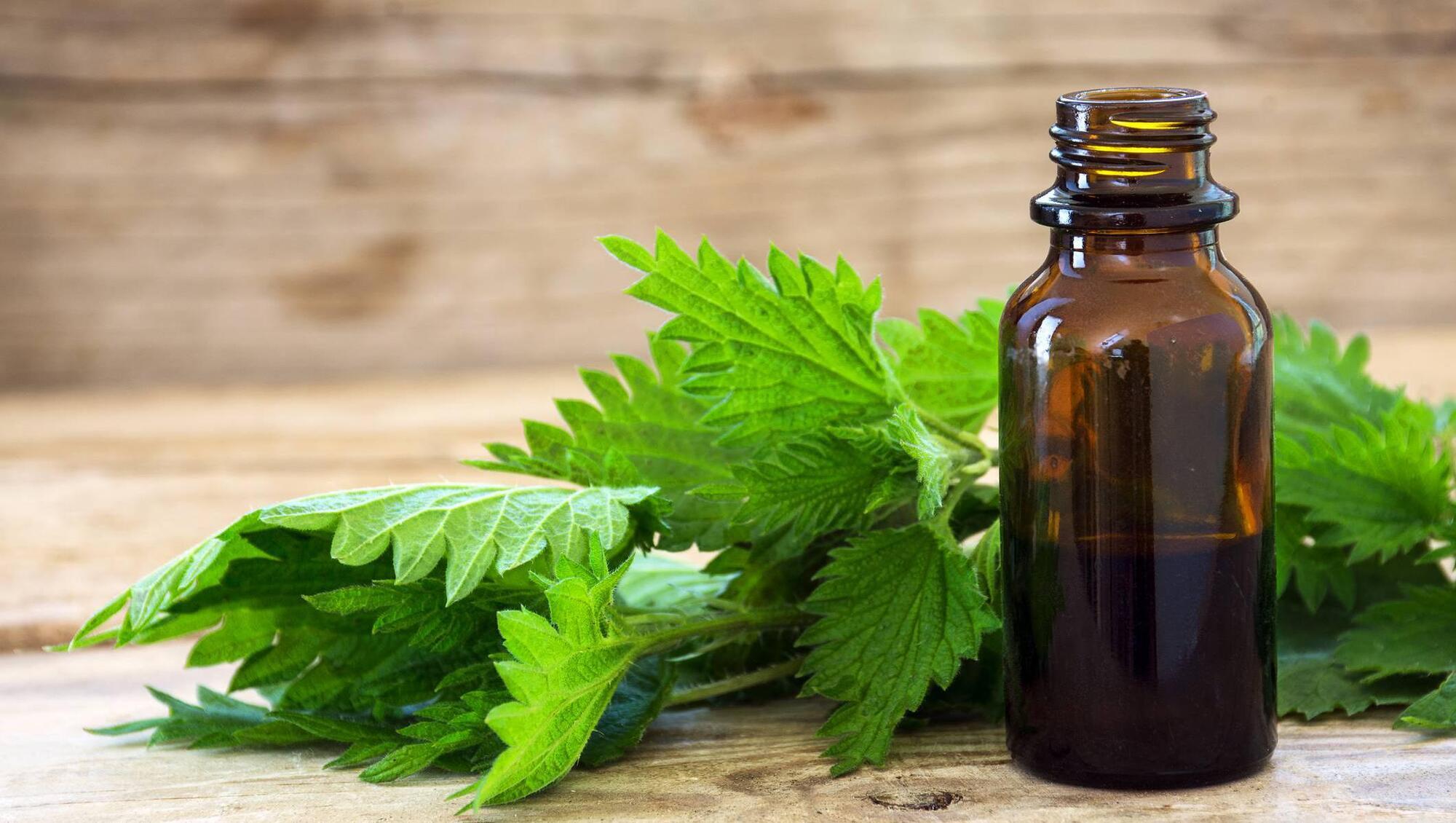
Nettles have a long-standing reputation for treating hayfever symptoms, but usually as an internal remedy rather than an external one (which I'm sure your son will be pleased to learn).
It is surprisingly simple to make your own tincture using fresh nettle leaves. Add 30g of finely chopped nettle leaf to 100ml of 35-40% alcohol (such as vodka) and infuse in a clean jar or bottle for two weeks in a cool dark cupboard. Strain the tincture through a muslin cloth into a bottle and give your son 1 teaspoon daily, diluted in water or fruit juice.
You can also prepare a syrup, which is often more appealing to children. To make a strong infusion, add 30g of fresh nettle leaf to two cups (500ml) of boiling water. Steep for 15 minutes and then strain the liquid into a double boiler (or bowl over a pot of water), add 500g of honey, then heat for about an hour until the mixture is of syrup consistency. Bottle and store in the fridge.
Using local, raw honey is important, as it is thought to help treat hay fever where pollens are indicated. Your son will need to take one teaspoon of the nettle syrup twice daily.
Rich in nutrients, nettles are an excellent tonic food. They contain most of the B vitamins, vitamin A, vitamin C, vitamin E, vitamin K, bioflavonoids, iron, calcium, magnesium, potassium, sulphur, zinc and a whole host of trace minerals.
It is best to pick the tender shoots only when harvesting nettles, as they have higher nutritional quality. Fortunately, nettles rapidly produce new growth, so fresh shoots are available almost year-round.
Another hay fever remedy is rye grass extract, which protects the immune system against allergens and irritants by reducing inflammation and mucous production. Then there's bee pollen, which is believed to build tolerance against the specific pollens causing the irritation. If your son is allergic to bees, use raw bee products with extreme caution. Otherwise, start with a small amount of pollen and gradually build up to a maintenance dose of around a teaspoon a day.
Dandruff can be a symptom of several underlying issues. Stress, nutrient deficiencies, and sensitivities to hair products are all common causes, but it can also be an overgrowth of a yeast on the scalp known as Pityrosporum ovale.
This imbalance of scalp flora often leads to an overproduction of oil from the sebaceous glands. Most people try to remedy this by washing their hair daily, but frequent hair washing only exacerbates the scalp flaking.
Of course, washing his hair is still important, and it is best to use a simple, natural product.
Take note of the ingredients in any hair products he uses – the more chemicals listed, the more likely repeated scalp irritation will occur.
If your son eats processed sugars, these will also trigger yeast overgrowth, contributing to his flaking scalp.
Internally, it is good to boost your son's immune defences and support healthy scalp flora.
He should begin by taking 50mg of zinc each day and a high-quality probiotic supplement.
- Please send your questions to feelgood@examiner.ie
- NOTE: The information contained in this column is not a substitute for medical advice. Always consult a doctor

CONNECT WITH US TODAY



Be the first to know the latest news and updates