Ask Pete the Vet: Why is my dog eating poop and how can I stop him?
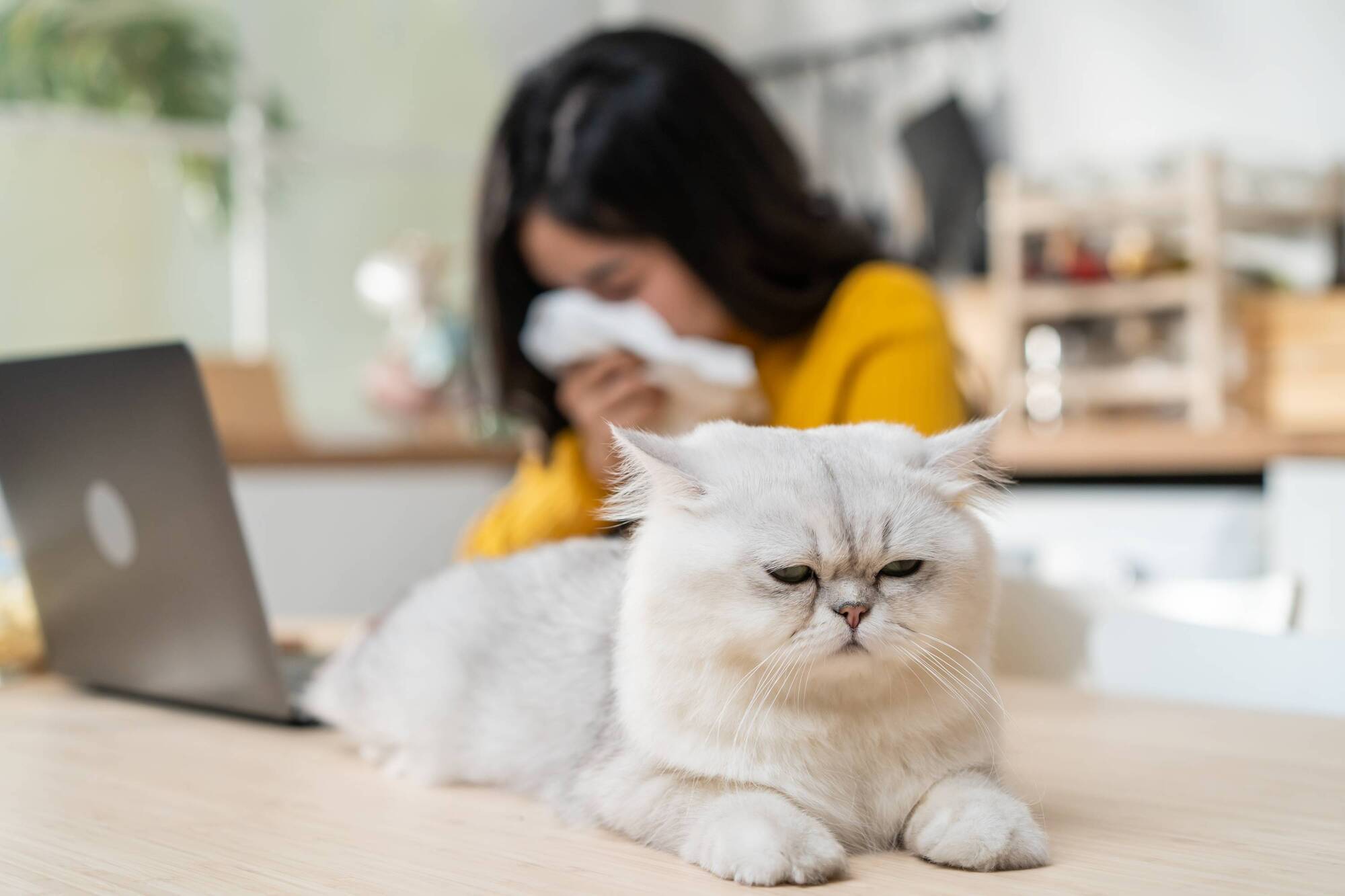
Pete the Vet: Theoretically, cats can become infected with Covid when sharing a home with humans who are Covid positive. To minimise this risk, if we are sick ourselves, we should try to avoid close contact with our pets.
This unpleasant habit, known as coprophagy, is common in dogs. It’s disgusting to us, but to dogs, it’s a natural extension of a healthy appetite linked to their innate desire to scavenge for food. There’s no link to a nutritional deficiency. It’s difficult to stop, but it can be done. First, check that you are feeding your dog enough. I’ve seen owners over-restrict their pet’s food intake, leading to excessive hunger, and a desire to eat anything remotely ingestible (including faeces). Try offering your dog 25% more food, (as long as he is not overweight). Next, buy a long training leash, and keep him on this whenever you are out so that you can physically stop him from indulging in poop munching, to try to break the habit. Finally, teach him the “Leave it” command (https://petfixclub.com/teaching-the-leave-command) so that if, in future, he repeats this behaviour, you should be able to get him to back off and desist on your instruction.
Theoretically, cats can become infected with Covid when sharing a home with humans who are Covid positive. To minimise this risk, if we are sick ourselves, we should try to avoid close contact with our pets. However, Covid in cats is exceptionally rare, and there are several other far more common causes of sneezing and coughing. In particular, there are two viruses that cause cat flu (Feline Herpes Virus and Feline Calicivirus). These can be prevented with regular vaccinations, but even vaccinated cats that have been infected in the past are prone to resurgences of signs of illness, especially if stressed. If your house has been sick with Covid, your routines may have changed, which could indeed make your cat feel stressed. Any pet that is showing significant signs of respiratory upset (such as sneezing and coughing) should be taken to a vet.
You can try chilling the medicine in the fridge (to reduce its odour and taste) and mixing with warmed-up, strong tasting food (like tuna or chopped chicken). However, the quick fix is to use another route for giving the medication. Over-the-counter wormers for cats (from supermarkets, pet shops and pharmacies) need to be given orally, but there are some prescription-only products (available only from a vet who examines, or who knows your cat from previous visits) that can be given in easier ways. Examples include spot-on products that are applied to the skin on the back of the neck from a vial, or an injectable product that can be given by a vet or a registered vet nurse.
Sugar-free chewing gum often contains xylitol, which gives it a pleasant sugary taste for humans but which is toxic to non-primates (including dogs and cats). Xylitol causes animals’ blood glucose to fall too far, with signs including lethargy, weakness, tremors, collapse and seizures, as well as the risk of liver damage at higher doses. This toxicity is dose-related which is why your large dog seemed unaffected: a small terrier would be at risk of toxicity after eating just two or three pieces of a popular chewing gum, while a small (20kg) Labrador would need to eat over ten pieces to be badly affected. Some brands of chewing gum have higher levels of xylitol, increasing the risk of poisoning. In future, if this happens again, you should take your dog to the vet as an emergency for assessment (taking the packaging of the chewing gum with you so that the precise ingredients can be checked). The best way of tackling any poisoning is to induce vomiting within an hour of something being eaten, to remove the toxin from the system completely. If you wait to “see what happens”, it can be too late to take any effective action to help a poisoned pet.
This does sound like mild urinary incontinence, which indeed can be linked with advancing age. When she is very relaxed (e.g. sleeping), the sphincter at the exit to her bladder loses its tone, and starts to leak. The good news is that simple treatment is highly effective in most cases: daily drops in her food, prescribed by your vet, tighten the bladder sphincter, which will usually cure the problem completely. There are possible complicating factors, including urinary tract infections, which is why you should take a urine sample to your vet when you make the appointment to have this checked out and to arrange treatment.

CONNECT WITH US TODAY



Be the first to know the latest news and updates