Harpist Úna Walsh inspires other children to wear their hearing aids
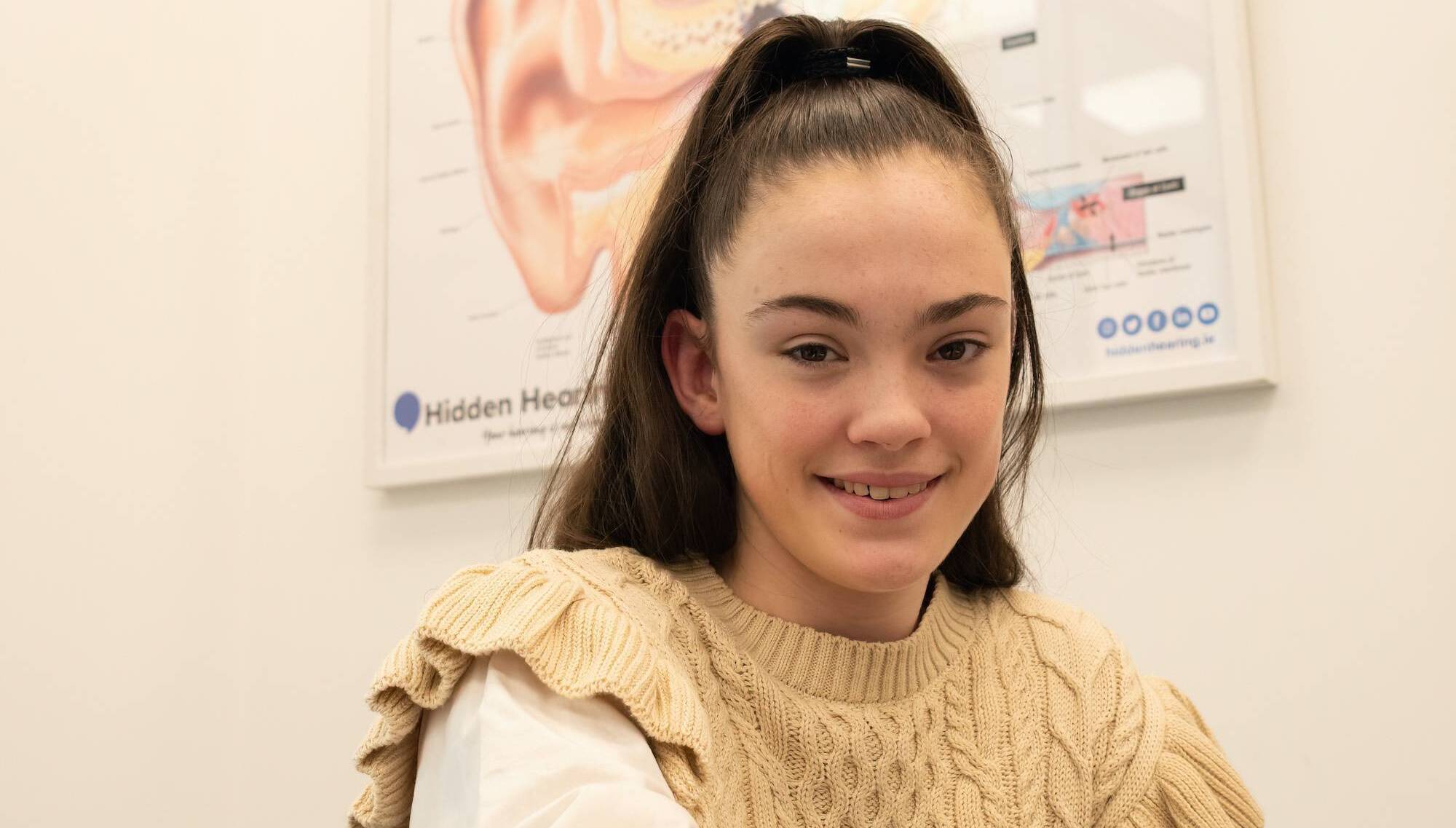
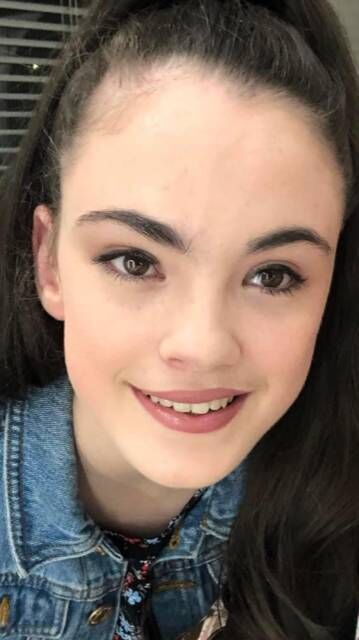
Harpist Úna Walsh.
Hearing-impaired harpist Úna Walsh, 14, stunned the nation in November when she played ‘A Million Dreams’ from on the
But her own mother never ceases to be amazed by the teenager. “As a mum, I know my child’s capabilities. She surpasses them every day.”
Derek and Barbara Walsh’s only daughter was playing the harp for three years before being diagnosed, at age 10, with moderate to severe hearing loss.
“It means she wouldn’t be able to hear certain sounds in certain ranges. She wouldn’t be able to hear normal conversation,” says Barbara.
Úna fell in love with the harp as a five-year-old, after seeing it played on the
“She’d just started the fiddle and she was on and on at me to let her start the harp. So she and I made a promise that she’d play the fiddle for two years and then I’d let her start the harp.”
Úna’s “fantastic harp teacher”, Shelly O’Grady, came into her life then, and Barbara recalls how Úna “just idolised her and just wanted to play like her”. When her hearing impairment was diagnosed – born prematurely at 26½ weeks, doctors said Úna likely had hearing loss since birth – it made a lot of sense to her parents and to her teacher.
“Shelly had noticed she was learning differently to the other children. She’d put her head on the harp to hear and feel the sound waves, and very intently watch Shelly’s lips. Lip-reading was big for her. She’d look at people’s mouths all the time and it looked like she was really conscientious and really listening. Everyone used to say it.”
Úna is the very embodiment of the triumph of the human spirit – and of art – over adversity. She has hearing loss – but plays sublimely. And this in particular is what got the nation’s attention, touched our hearts. The gifted teen is quite simply inspirational.
Thinking about Úna’s gift and how it has grown, despite disability, Barbara says: “Even though she’s partially deaf, she has a very good ear. If she hears a piece of music, she’ll attempt it straightaway. Her ear is very developed – she has relied so much more on her senses.
“At school, she would have been trying to learn without hearing, so she had all these mechanisms for learning maths, languages, in a class of over 30 students. It has made her the musician she is today.”
There’s also the fact that Barbara herself is a traditional musician.
Following her performance, Úna, a second-year student at Loreto Wexford, was inundated with messages, including many from young viewers.
“She got lots of messages from children and from kids who had hearing aids but who wouldn’t use them. Now they were looking on Úna as a role model, seeing the difference hearing aids made to her, and they were going to wear theirs.”
At home in Wexford, Úna’s local Hidden Hearing audiologist Stephen Kelly has organised the latest high-tech hearing aids for her. She has already been fitted with the world-class hearing technology – an advanced Bluetooth device that supports how the brain naturally works.
“She can hear things now that she never could before,” says Barbara. “She can take a phone call, she can hear her classmates talking and the teacher answering – before she’d have heard just mumbles. She can play the fiddle – up to now it was difficult for her to hear herself play in tune.”
And the harp? “She might even be able to tune her own harp now. Up to this, she couldn’t,” says Barbara.
CONNECT WITH US TODAY



Be the first to know the latest news and updates