This is why you still feel exhausted after eight hours of sleep
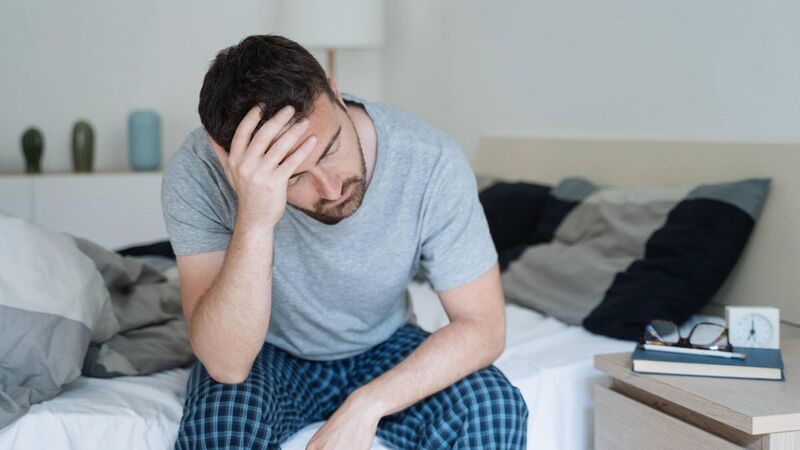
Wrecked after a long night's sleep? We might have some answers.
Do you regularly get a full night’s sleep, but still wake up feeling groggy and tired? We all know eight hours is doctor-recommended, but it’s about quality as well as quantity – and not many of us are getting it right.
New research by UK company Thriva – who asked 46,000 people in the country about their sleeping habits – found a massive 71% did not feel refreshed after waking on four or more days per week, despite 84% of those surveyed getting 6-8 or more hours of sleep a night.
So why might that be? Experts share what’s going on.
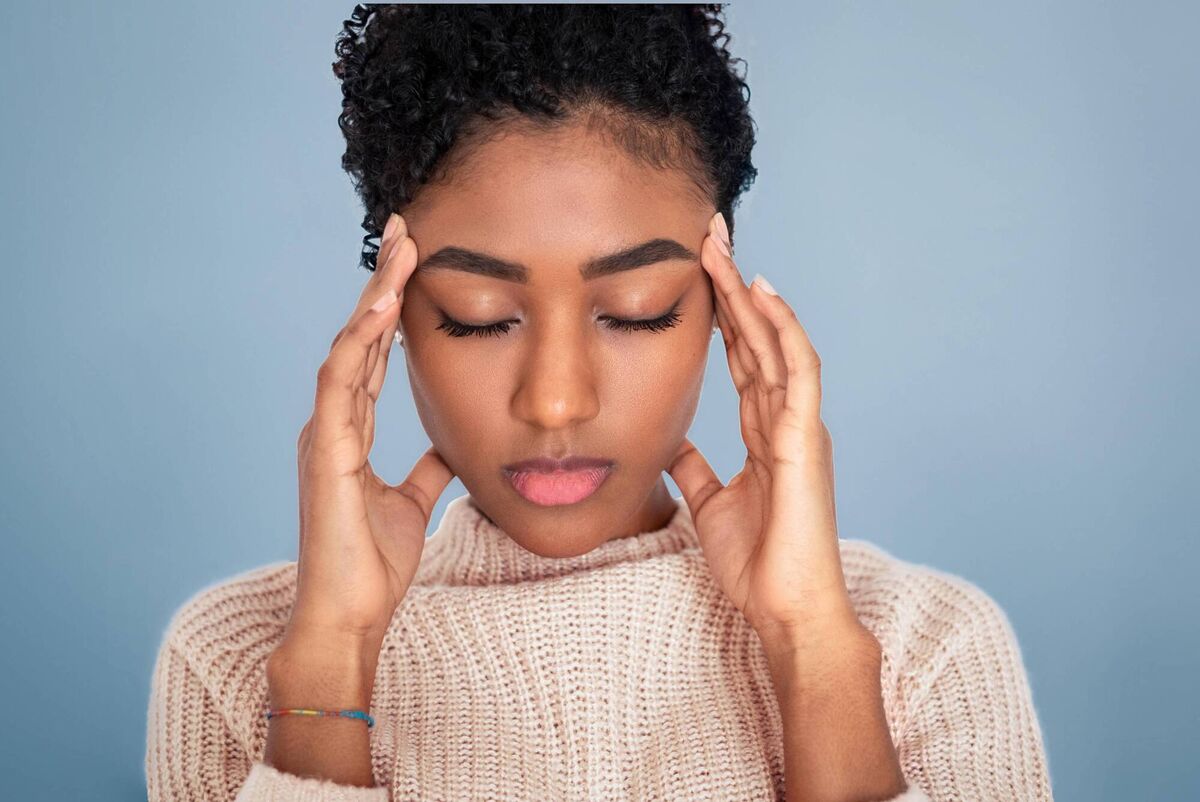
Stress is an increasingly impactful factor; of those surveyed for the data, almost half (45%) said they were more stressed than usual.
“If you’re laying in bed worrying [before you go to sleep,] your body will be in a state of high alert,” says UK GP Thuli Whitehouse.
“Instead of winding down for sleep, it continues to produce stress hormones, including cortisol and adrenaline.” If your body is producing too much of these, you won’t feel properly rested.
“You might also be struck with an unwelcome hit of wakefulness around 3-4am.”
We’re all guilty of watching TV all evening before getting into bed and scrolling through our smartphones, but the bright artificial light could be to blame for bad quality sleep.
“TVs and other screens can hinder your body’s production of melatonin,” says Whitehouse – the hormone that promotes sleepiness.
UK general practitioner Dr Manpreet Bains says: “[Even] regular light can trick our internal clock into thinking it’s still daytime.” So, go for a pitch black room over a night light or a hallway lamp left on.
“As humans, we’ve evolved to breathe using our noses, but it’s estimated that up to 30-50% of adults breathe primarily with their mouths,” says Bains.
“Brief periods of mouth breathing are normal, such as when exercising. However, when this becomes our main method of breathing, including during sleep, it can lead to poor sleep quality.”
The trick, she says, is simply to practise nose-breathing in the daytime – “You might find it uncomfortable at first.”
UK personal trainer Emily Servante says: “One of the first habits we change is to vastly increase the consumption of greens in our clients’ diets.
By default, their magnesium and calcium intake skyrockets.” Both have a crucial role to play in sleep, she says. “The benefits of magnesium are vast; specifically to sleep, it can help muscle relaxation, deactivation of adrenaline and the reduction of cortisol.
“Calcium helps the body to use tryptophan to manufacture melatonin, which is a hormone that helps control your sleep and wake cycles.” Low vitamin D and folate (vitamin B9) levels can also be associated with poor sleep, according to Bains.

Even if you get eight hours of rest, caffeine simply being in your system will affect the quality of that rest. “It’s very rare we meet a first-time client who isn’t consuming too much caffeine,” says Servante. “Our sleep deprived, work-driven society means a growing number of people turn to caffeine to provide them with ‘energy’.
“A rule of thumb, we like is to stop all caffeinated products after 2pm. Caffeine has a half-life of six hours, so if you consume a cup of coffee (100mg) at 2pm, you’ll still have 50mg in your bloodstream at 8pm. The problem is, most people’s caffeine habits are so excessive they’ll drink tea and coffee all through the day to keep them going. This will negatively impact sleep and their ability to experience deep, quality sleep.”
CONNECT WITH US TODAY



Be the first to know the latest news and updates