Why you need to practice the 20/20/20 rule — and 6 other tips for eye health

Our eyes rarely get a break, from long working days in front of a computer to relaxed evenings watching our favourite TV shows.  We ask experts about the best way to keep our vision sharp 
Why you need to practice the 20/20/20 rule — and 6 other tips for eye health

Recent research has found that nearly one in three adults has noticed a worsening of their vision during the pandemic. Picture: iStock 
If you’ve been experiencing increased levels of eye strain, headaches, and sleep disturbance, you’re not alone. Recent research from the College of Optometrists has found that nearly one in three adults has noticed a worsening of their vision during the pandemic, with almost half of those believing their increased screen time may have played a role. So, what can we do to keep our eyes healthy?

1. Eat well and cook from scratch where possible

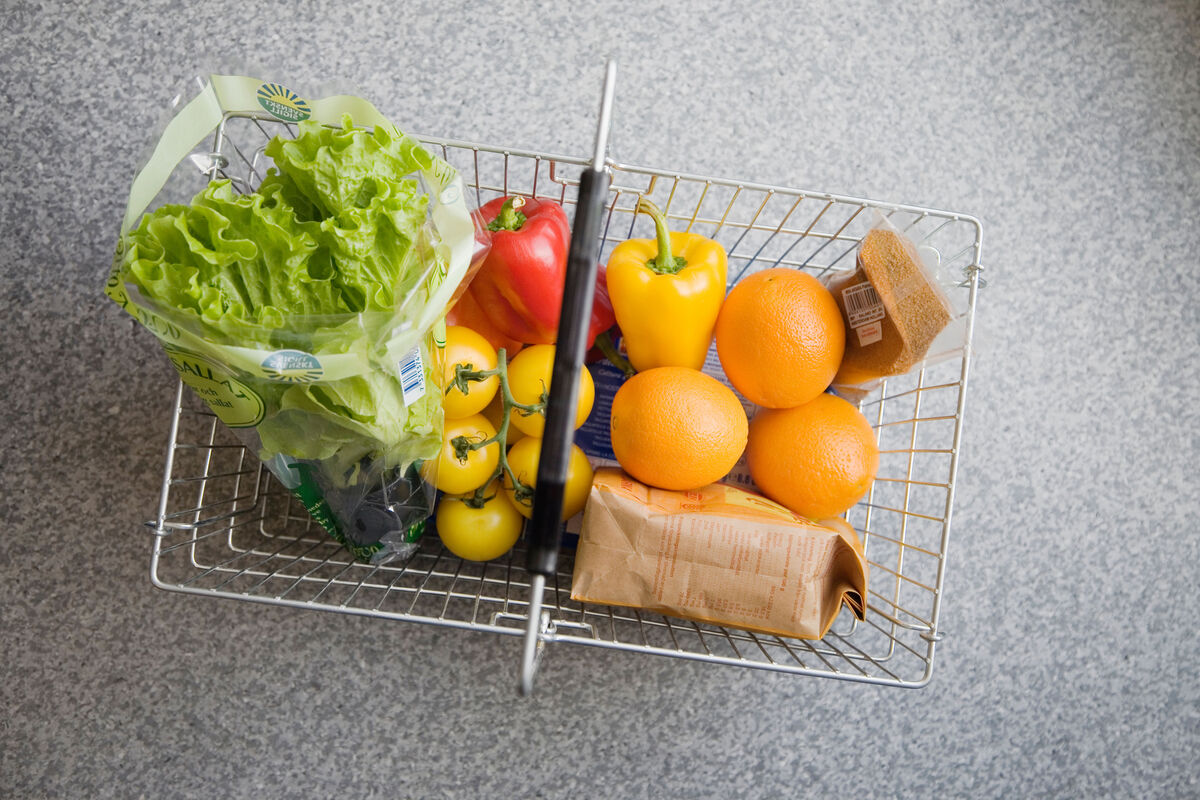
Our parents told us that carrots could help us see in the dark but is there any truth to it? It turns out there is. Carrots are rich in beta carotene (which your body converts into vitamin A) and night-blindness is caused by vitamin A deficiency, says optician Kerril Hickey.

“Yellow carrots are also very rich in lutein, which can also help to protect eyes from AMD [age-related macular degeneration],” he adds.

Lutein is essential for functioning eyes and can also be found in dark green veg such as kale, broccoli, and spinach.

Eating a rainbow of vegetables is one of the easiest steps towards eye health.

“Nuts also have lots of health benefits as they are full of vitamin E and zinc. They also contain a lot of omega-3 fatty acids too which, as with oily fish, is great for our eyes,” says Hickey.

In particular, it might be worth stocking up on chestnuts, which are full of antioxidants (including lutein and zeaxanthin) that help to protect our retinas from “potentially damaging types of light”.

Hickey’s top tip is to “always try to cook from scratch, where possible, to ensure your food retains all the beneficial nutrients.”

2. Stop smoking — and that includes e-cigarettes

“Studies have shown that smoking can double the chance of developing cataracts, triple the risk of AMD, increase the risk of uveitis (inflammation of the middle layer of the eye), and double the risk of diabetes, which in turn could lead to diabetic retinopathy,” says Hickey, who is SpecSavers Ireland chairman.

While traditional tobacco smokers are most at risk of developing AMD, e-cigarettes can also have an impact on eyes, he says.

“Vapour from the e-cigarettes can cause irritation and lead to dry eye syndrome,” Hickey explains.

3. Take frequent screen breaks and practice the 20/20/20 rule

“In terms of screen time, the main issue is the blue light exposure and, with the pandemic and everyone working from home, it’s much more of an issue than it used to be,” says optometrist Seamus Flynn.

Seamus Flynn, Sapphire Eyewear: Blue light exposure can cause eye strain.

The wavelengths emitted from blue light contain the highest amount of energy in the visible spectrum. If you’re overexposing your eyes to this light, headaches and eye strain can be a common side effect, he explains.

Flynn, who co-founded Sapphire Eyewear, a brand of eyewear that blocks blue light from digital screens, says we have a few options when it comes to reducing our exposure to blue light. He says we can invest in a pair of blue light glasses, we can use blue-light blocking filters on our devices (such as f.lux for desktops or Night Mode for iPhone users), and then there’s the 20/20/20 rule.

“Every 20 minutes, you take a break for at least 20 seconds, and you look 20 feet away. That gives your eyes a bit of a break.”

Another thing to keep in mind is that when we’re looking at something that’s just 30-50cm away such as a screen (or even a book), we don’t blink as much.

“We would advise people to just make a conscious effort to blink a bit more, because every time you blink, you’re replenishing your tear film. That keeps the eyes from drying out,” says Flynn.

4. Go for an eye test every two years —or sooner if you notice a change

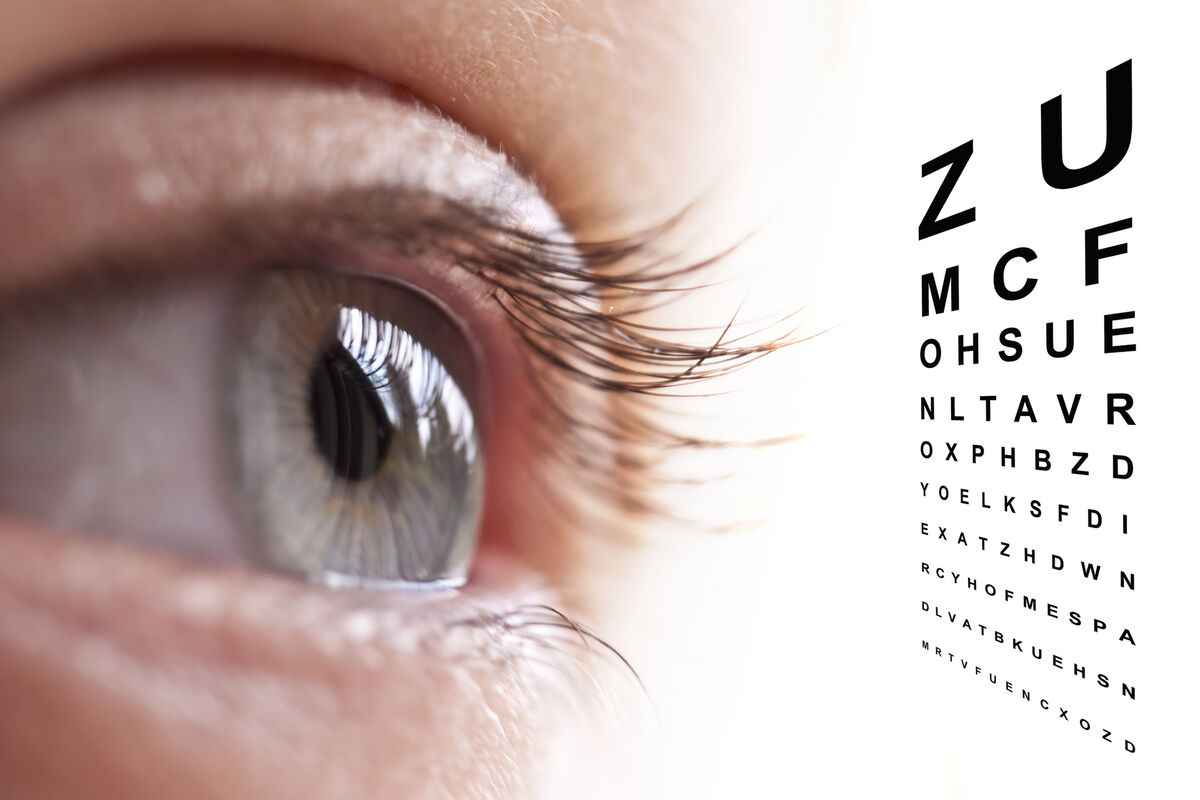
It is recommended that adults go for an eye test every two years. However, if you notice changes in your vision you should go right away.

Regular eye tests are an important part of maintaining eye health.

“There are lots of tell-tale signs for various conditions,” Flynn says.

“If you are experiencing flashes of lights or floaters in your eyes for example... sometimes that can be normal, other times it can be signs of retinal tears or retinal detachment.

“As with a lot of these things, if they are got on time you can treat them but if it’s left too long there can be irreversible damage and you can lose vision in your eye.”

5. Wear sunglasses — and don’t forget your sunhat

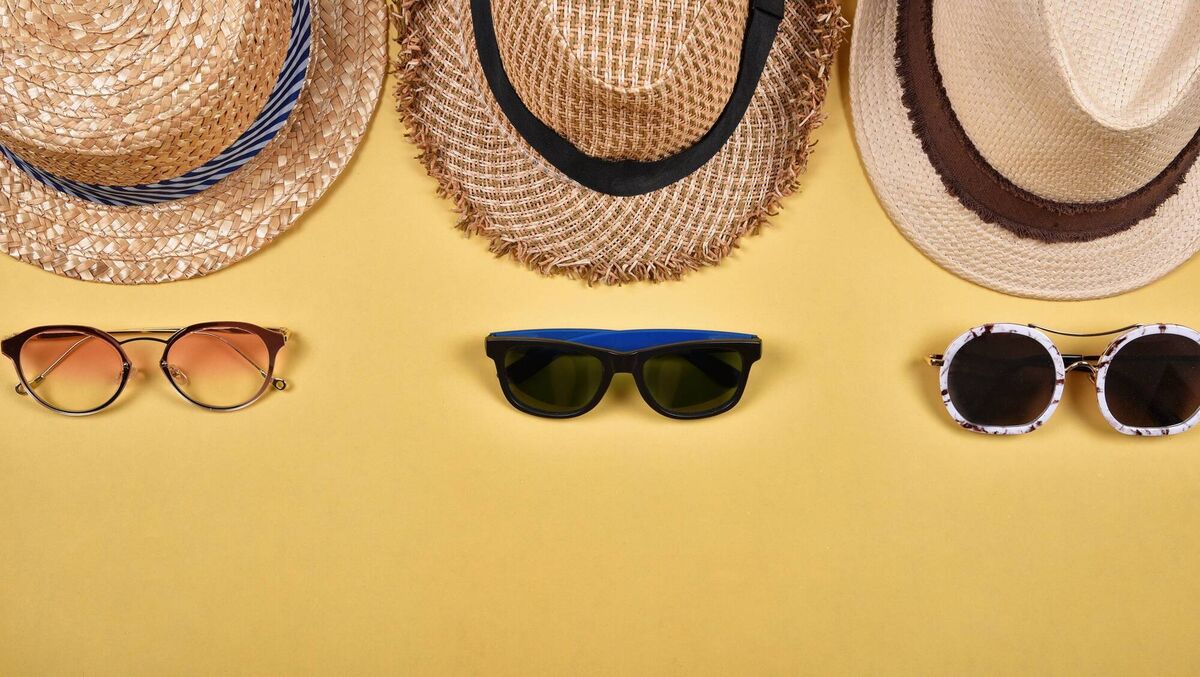
We all know we should wear sunglasses to protect us from UVA/UVB rays but are all sunglasses created equal?

“There is certainly a difference in the quality of lenses you can get,” Flynn says.

When buying a pair of sunnies we should check they carry the CE mark or standard marks (IS EN ISO 12312-1:2013), as this ensures they match up to the appropriate safety standards.

SPF doesn't mean you shouldn't be seeking shade and donning a hat and shades.

“Wearing a wide-brimmed hat can also help shade your eyes and protect your face.

“It is also really important that when you are spending time outdoors that you never look at the sun directly as this can damage your eyes,” Hickey adds.

6. Know your family history — some hereditary diseases can be slowed

“There are a number of eye conditions that are primarily hereditary,” Hickey says.

“Retinitis pigmentosa, also known as RP, develops as a result of certain genetic disorders which cause the breakdown of cells in the retina. It is a genetic condition that is inherited. It is really important that you have regular eye tests and, if someone in the family develops problems with their retinas, make sure you tell your optician.”

Some forms of glaucoma can also be hereditary.

“Primary open-angle glaucoma is considered largely hereditary,” says Hickey.

“If you have a family history of glaucoma or are over the age of 40, you should have an eye test at least every two years or whenever your optician recommends it.

“With early detection and treatment of glaucoma, the progression of the disease can be slowed down.”

7. Take care with beauty treatments and avoid DIY jobs

To save money, some of us might be tempted to try tinting our own eyelashes or even doing a lash lift. However, Hickey says DIY beauty treatments can be risky and are best left to the professionals.

“DIY lash lifts could be particularly dangerous as these tend to be closed-eye treatments. If trying to do this yourself while squinting in the mirror, you risk getting lotions in the eye,” he says.

“And as they are used to curl lashes, they are typically quite strong, which could not only damage your lashes but also affect your eyesight.

“The same can be said for eyelash and eyebrow tinting as well as eyebrow waxing. Doing these treatments yourself carries a greater risk of getting the products in your eyes.”

Celebrating 25 years of health and wellbeing

More in this section

Lifestyle

Newsletter

The best food, health, entertainment and lifestyle content from the Irish Examiner, direct to your inbox.

Cookie Policy Privacy Policy Brand Safety FAQ Help Contact Us Terms and Conditions

© Examiner Echo Group Limited