Great expectations: How you can train your brain to stick with healthier habits
Picture: iStock
Plenty of new year’s resolutions will already have fallen by the wayside as our best intentions come up against the cold reality of the effort involved. But what if we could train our brains to make change easier? In his new book , David Robson examines how we often make assumptions about ourselves that shape our health and wellbeing and how reframing the way we view the future can have a remarkable effect on our health, happiness and productivity.
Robson takes the idea of the placebo effect — when people taking inert sugar pills experience the benefits of the drug they believe they are taking — and, backed up by significant scientific research, applies it across all areas of life.
The award-winning science writer is based in London and says he was inspired to write the book when he was prescribed anti-depressants.
“The doctor had warned me there was a chance I could experience migraines and I did. The pain was very sharp, very intense, like an ice pick was going through my skull. It was very much real pain, I wasn’t making it up. But at around the same time, I started researching an article on the nocebo effect, which is the opposite of the placebo effect — when our expectations of illness or sickness can make us sick.”
This does not mean that we are imagining pain or illness, stresses Robson. “What is important to remember is that, much like the placebo effect, it is not just subjective, there are physiological changes that could explain why the expectations cause the headache.
"It occurred to me that my headaches might be due to this expectation effect from the doctor’s warning. It was quite remarkable. I went out to lunch, came back to the office, had a big glass of water and within a few hours, the pain had vanished. That to me showed how powerful our expectations could be. So then I gathered more evidence and saw that expectations are shaping all areas of our lives — health, fitness, stress, sleep and ageing.”
Robson cites many fascinating research studies in the book, including a Harvard study of hotel cleaners, where researchers explained to the workers how the amount of energy they exerted by hoovering the floor, changing beds or moving furniture over the course of a week easily amounted to the level of exercise recommended for good health. One month later, the researchers found that the cleaners’ fitness had noticeably improved, with significant changes in their weight and blood pressure.
“All these researchers did was educate them about this fact, they were still eating the same, they didn’t report going to the gym any more. It seemed like this benefit came directly from the expectations in a way that is very similar to the placebo effect in medicine.
"What I liked about that study was that there wasn’t any form of deception. We think of the placebo effect and we think of giving someone a dummy treatment. All these researchers had done was educate the cleaners and change the way they framed their work.
"That is something I found again and again with researching the expectation effect — it is not about being deluded, it is about trying to look at a situation objectively and to question whether we are missing some benefits or whether we are being needlessly negative in our appraisal of the situation.”
Robson emphasises that the expectation effect should not be mistaken for positive thinking or visualisation, as propounded in books such as Rhonda Byrne’s bestseller , which promotes the ‘law of attraction’ – the idea that, for example, visualising yourself rich will bring more money into your life.
“I am saying the expectation effect can influence all these different areas of life but I am not claiming it can work miracles. I see it as a way of complementing medical advice or treatment, boosting lifestyle measures that we know work already. I am not asking people to be vaguely optimistic or to cultivate a ‘good feeling’, because it is really tough to change your feelings, especially if you are going through a difficult period of your life.”
The expectation effect can also influence how we age, with research showing that people with a more positive attitude to getting older are less likely to develop hearing loss, frailty and illness — and even Alzheimer’s disease — than people who associate ageing with senility and disability.
“We can’t deny that as you get older, you are more likely to suffer some form of disability or physical decline,” says Robson. “But it is important to also recognise that you have some control over your health as you get older. For example, recognising that whatever age you are, you can improve your fitness — that is something that hasn’t been promoted enough. So there are lots of things you can celebrate as you get older. I worry that our culture encourages us to neglect that and to only see the downsides.”
Robson acknowledges that it is particularly difficult to have optimistic expectations amid a pandemic but even in such challenging circumstances, reframing our mindset can be valuable.
"I wouldn’t deny that I felt lonely, isolated and scared but I tried to avoid assuming that all of those feelings would be inherently dangerous for my mental and physical health. There has now been research done on this and there is good evidence that people who managed to reframe the stresses of the pandemic in a more positive way and use it to make small behavioural changes did fare a lot better than the people who thought of stress as inherently debilitating.”
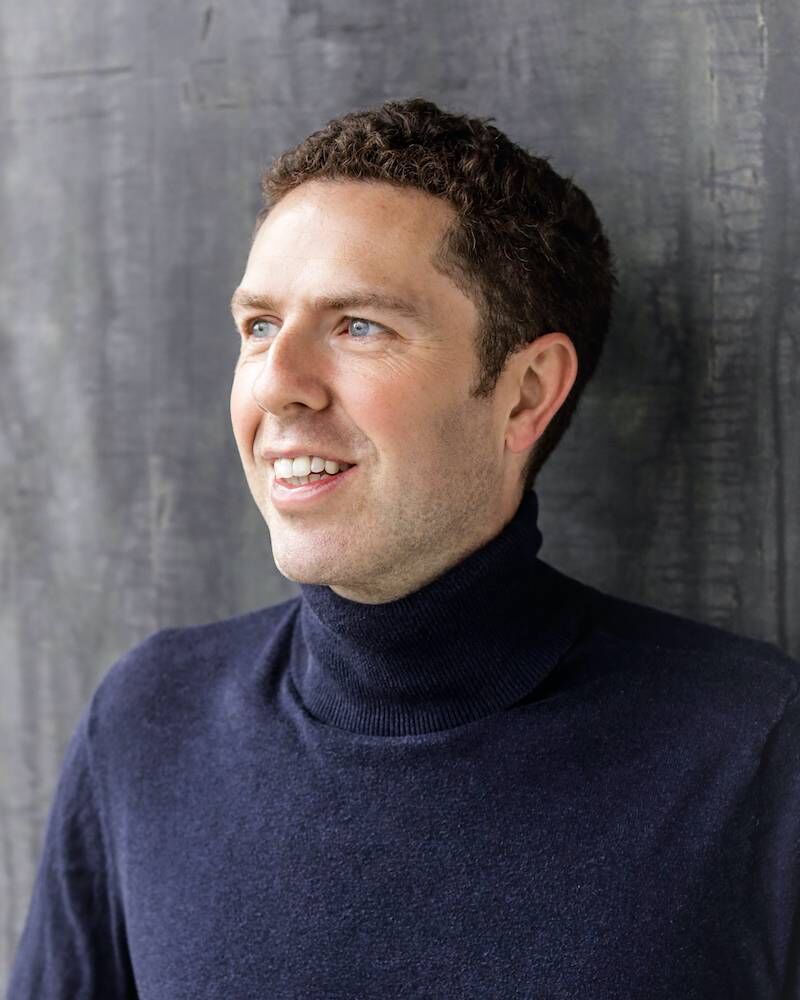
Robson has already had feedback from readers who have seen the benefit of tweaking their expectations.
“One thing that really seems to appeal to people is the effect of expectation on diet — particularly the study which showed how we have this expectation that healthy food is not going to be satisfying and if a food label emphasises that, then the levels of the hunger hormone ghrelin don’t fall after a meal as you would expect. Also, lots of people have been in touch about the studies on sleep. We assume what is actually a small amount of sleep loss is going to be a catastrophe the next day and then it becomes so because of that. It has helped them cope a bit better, especially parents of young children. It has been nice to hear how people have found different elements useful in their personal lives.”
- , by David Robson, published by Canongate, is out now
CONNECT WITH US TODAY



Be the first to know the latest news and updates