How to reset your body clock to help beat type 2 diabetes
Picture: iStock
Dr Satchin Panda didn’t have to look far for inspiration when it came to his latest book. A professor and researcher at the prestigious Salk Institute for Biological Studies in La Jolla, California, he was influenced by the groundbreaking work of the organisation’s founder Dr Jonas Salk, whose development of the polio vaccine proved the powerful message that prevention is the best cure.
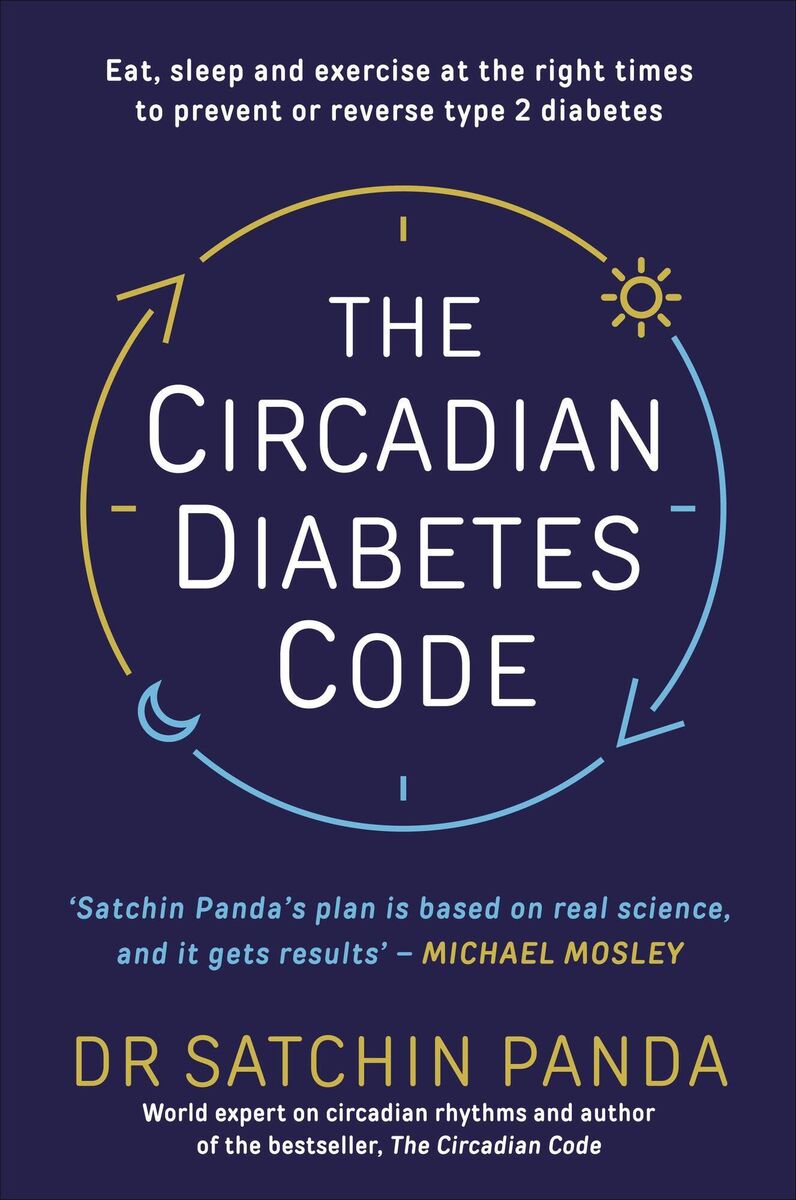
, Panda explores how sleeping, eating and exercising at the right times can help prevent and also reverse type 2 diabetes, a condition that affects more than 850,000 adults aged over 40 in Ireland.
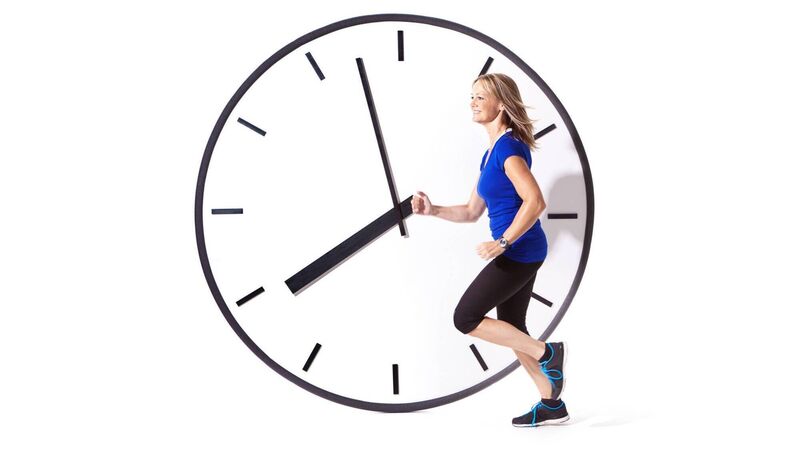
He expands on the themes of his previous book, , which looked at the importance of paying attention to our circadian rhythm. This is our 24-hour biological clock, the regulation of which affects how our brains and bodies operate. According to Panda, circadian rhythm disruption due to insufficient sleep, and eating at the wrong time can increase our risk for diabetes, while optimising circadian rhythm can empower everyone to get a grip on their blood glucose.
“We have been living with circadian rhythms for the last 200,000 years, but we only woke up to their importance in the last 10 or 15 years. The beauty of this [approach] is that there are very few healthy habits that can both prevent and reverse,” he says.
According to Panda, the book is particularly timely given the fact that diabetes, as well as being linked to other chronic health issues such as obesity, heart disease, and Alzheimer’s disease, is also one of the underlying conditions which increases the risk of complications from Covid.
“At the same time, there is also new data suggesting that people who are healthy and got Covid-19 may be at a higher risk of developing diabetes in the future,” he adds.

includes a 12-week challenge to get all three aspects of your circadian code— eating, exercise, and sleeping— into optimal alignment. Key to this is intermittent fasting, which involves eating within a 10-hour window — once this is adopted, Panda says everything else becomes easy to incorporate.
Panda writes about how a small cluster of cells in the hypothalamus, at the centre of the base of the brain, houses the command centres for everything from hunger to stress response. When this ‘master clock’ is working well, you feel hungry and sleepy at the right times, your stress level goes down, and you wake up feeling energetic. However, modern society is not conducive to the smooth running of this master clock — and it is almost always confused.
“As a result, we may feel hungry even when our body does not need more calories…or our pancreas may not turn on to produce and release enough insulin in time for our blood sugar to be absorbed into the cells. Our stress hormones may remain high for a longer time, interfering with blood sugar. Our brain–muscle axis may get a wrong signal and we may feel lethargic or low on energy when it is daytime,” says Panda.

Our modes of work — whether commuting long distances before the pandemic or being based at home during it — mitigates against achieving the optimum circadian balance. Being more aware of this has knock-on benefits for everyone, says Panda.
“For example, nearly one in five working adults in the US and in industrialised countries work in shift work, from truck drivers to airline pilots. Then there is a lot more, another one in five, who work in the gig economy or from home and there is no time limit on when they should be receiving emails or responding to something. There should be a level of awareness that our work culture needs to change to enable people to pay attention to our circadian rhythm. It will be good for everybody. If people sleep well and at the right time, they will stay healthy, productivity goes up and days of sick leave go down,” says Panda.
Middle age is a particularly risky time in terms of developing diabetes — it is easier to gain weight, people have busy lives, more responsibilities and less time to focus on their health.
He also suggests that people should make an effort to go back to basics in terms of what they eat — he refers to how our circadian rhythm has been hardwired by our ancestral diet. “Our bodies have developed to process food when it is most available; for our ancestors, that was during the day when they could see what they needed to hunt or gather. Similarly, at night, when it was dark, those ancestral bodies learned to rest and reset for the next day,” he writes.
Now, however, we live in a society far removed from the means of production, and one which relies heavily on processed food. Panda suggests plotting our route around the supermarket carefully, avoiding the central areas which are home to heavily advertised processed foods. He also emphasises the importance of cooking our own meals from scratch.
“There is a huge dividend if we know how to prepare our own home-cooked meals. This is the biggest investment you can make in your personal health — to be able to cook five or six dishes. Once people start cooking, they will understand their relationship with food, know how it is prepared and they can rely less on heavily processed food.”
Panda also says there is no need to cut treats from our diet entirely — the trick is to savour them at special times rather than make them a daily indulgence.“Everything in moderation is good. If we think about our ancestors, one or two generations ago, the idea of comfort food was something luxurious to be shared among friends and family on special occasions — when we do that, we actually tend to enjoy it much more.”
He practises what he preaches and the benefits have been considerable, he says.
“Before we discovered this code, I was almost 10 kilos heavier and I didn’t sleep well at night. I did not eat well — I was almost pre-diabetic, I was on the borderline. I thought why not try it? The only thing to lose was weight. I am leaner now, more energetic, I feel lighter. I haven’t taken pain medication in years — I used to call Tylenol my vitamin T because I took it so often. I am living the life that I am writing about.”
- The Circadian Diabetes Code, by Dr Satchin Panda, published by Vermilion, is out now.


CONNECT WITH US TODAY



Be the first to know the latest news and updates