Pete the Vet: Why does Ireland have an epidemic of fat pets?
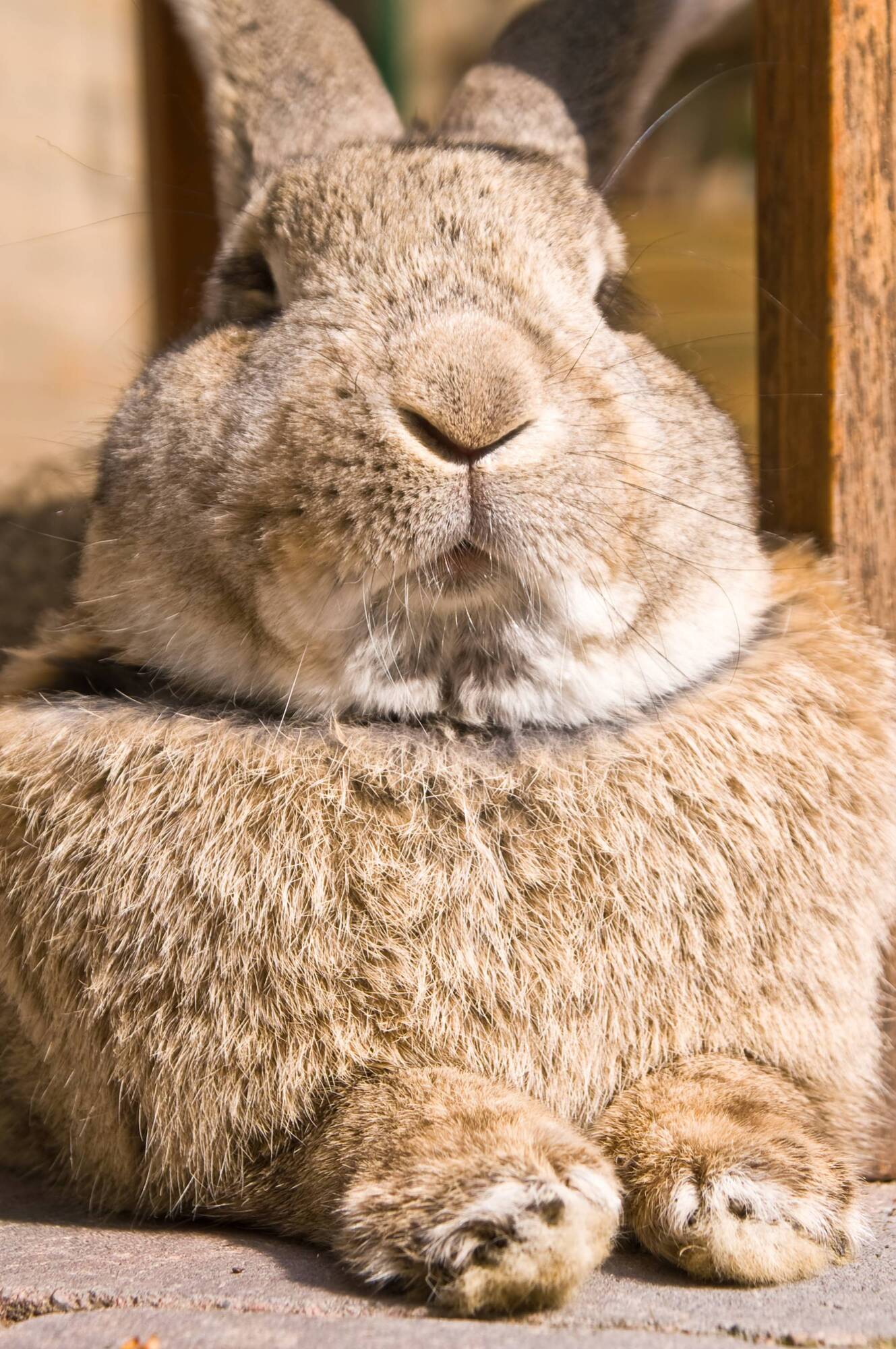
Pete Wedderburn looks at the five factors behind overweight pets
Pete the Vet: Why does Ireland have an epidemic of fat pets?

Pete the Vet: The most common health issue to affect Irish pets is completely preventable: being overweight and obese. This affects around 40% of cats, 60% of dogs and 28% of rabbits.

The most common health issue affecting Irish pets is completely preventable: being overweight and obese. This affects around 40% of cats, 60% of dogs and 28% of rabbits. These pets’ lifespans are up to two years shorter, and they suffer from a reduced quality of life, with more illness and a reduced sense of well being.

It’s now recognised that obesity is a chronic inflammatory disease, causing biochemical changes in the bloodstream that can be measured, with elevated inflammatory markers. Obese pets feel bad, move around more slowly and have less enjoyment of life.


As well as general dullness and depression, obese pets are more likely to suffer from painful arthritis, crippling heart disease and a range of hormonal conditions. Their day to day quality of life is severely diminished. The irony is that their excess weight is caused by owners who believe that they are doing the best they can possibly do for their pets. They feed them on tasty, nutritious food, and in the short term, this does indeed make these animals happy. It’s only in the long term that serious problems emerge. The challenge is how to help owners take difficult short term actions (restricting their pets’ food) to achieve better long term outcomes (slimmer cats, dogs and rabbits).

Recognising the issue is the first step. How do you know if your pet is carrying too much weight? Optimal body weights are difficult to specify in pets because there’s so much variation in body shape and size between different breeds. Obesity means a bodyweight of over 30% above normal (e.g. a 39kg Labrador that should weigh 30kg, or an 6.5kg cat that ought to weigh 5kg). The term “overweight” is used to describe pets that are headed for obesity; they weigh between 15 and 30% more than normal (e.g. that Labrador weighs over 34.5kg, and the cat weighs over 5.75kg).

The easiest way to judge if a pet is carrying too much weight is to use a body condition score chart. You assess your pet’s silhouette from above (looking for a visible waist, narrower then the chest and the hips) and you use your hands to feel how much fat covers their bones (you should be able to feel the outline of their ribs and spine).

It’s also helpful to monitor their absolute weight in kilograms. Pets are usually weighed at their annual health check at the vet, using electronic scales, and apart from this, vet clinics are happy to weigh pets at any time, for no charge: this can be entered onto their health record, making comparisons with previous weigh-ins easy. You’ll soon spot if they have gained weight.

Why is it so common for pets to put on extra weight? There are five main factors.

First, for us humans, eating is one of our greatest pleasures, and it’s often the centre of our social lives. We find it so pleasurable that we gain satisfaction from watching our pets eat too. We find it difficult to stop feeding them when they still seem to be hungry.

Second, humans love to be loved by their pets. Giving tasty food is an easy way of getting extra attention from your pet. It’s very easy to confuse this attention with “love”, so we keep giving them more food.

Third, we see dogs and cats as “little people” rather than small species of life that are very different to us. We then serve them food portions for “little people” that are far in excess of their needs. A 5kg cat is one-tenth of the weight of an eight stone woman, and a 30kg Labrador is less than half the size of a ten stone man, yet we tend to offer pets adult human-sized food portions.

Fourth, dogs and cats have evolved to binge when food is available because historically, there’s often been a long wait until the next meal. When food is readily available, pets don’t know when to stop: human discipline is needed to help them eat appropriate amounts.

Finally, the societal norm of the appearance of a pet with a healthy weight has changed. We tend to see overweight dogs and cats as “normal”. I know people with healthy, lean dogs who are stopped in the park to be told that they are underfeeding their pets.

In theory, weight loss is simply a case of reducing energy in (food) and increasing energy out (exercise). In practice, it can be hard to judge how much food to give, and pets are efficient exercisers, burning up very few calories during sustained, energetic activity.

Your local vet clinic is the best place to start if you realise that you need to slim your pet down. Vet nurses run obesity clinics that include regular weigh-ins, exercise discussions, and weight loss plans. The aim is to achieve a slow, steady weight loss (e.g. 1-2% per week). Special weight reduction diets are used: measured amounts of food with high fibre content or a high protein/low carbohydrate combination, which help pets feel more satisfied with fewer calories.

Determination and commitment is needed, and once the target weight has been achieved, a long term change in feeding and exercise habits is essential.

It’s better to prevent your pet from putting on weight in the first place. Restrict feeding to a set amount every day (use a measuring cup). If your pet gains weight, reduce this amount. If they are too thin, give them more. Most pets prefer smaller meals twice daily, rather than one big meal in the morning or evening.

Keep your pet at the right weight: they’ll be happier and healthier. And if they could, they’d thank you for it.

To find out if your pet is overweight, visit htt ps://petfixclub.com/identifying-obesity-in-animals/

More in this section

Lifestyle

Newsletter

Eat better, live well and stay inspired with the Irish Examiner’s food, health, entertainment, travel and lifestyle coverage. Delivered to your inbox every Friday morning.

Cookie Policy Privacy Policy Brand Safety FAQ Help Contact Us Terms and Conditions

© Examiner Echo Group Limited