The flu vaccine for children - everything parents need to know

Children are twice as likely to get the flu than adults and they are also more likely than adults to get severe complications. Picture: Pexels
Parents are being urged to sign their children up for the free nasal spray flu vaccine this year - but how likely are children to get the flu and experience severe complications, where can you get the vaccine and should your child get it?
Influenza (flu) is caused by the flu virus. It spreads easily and infects both children and adults.
Children are twice as likely to get the flu than adults and they are also more likely than adults to get severe complications. Children also carry the flu virus in their system longer than adults do.
Symptoms of flu in children include high temperature (38°C or higher), muscle pains, headache and extreme tiredness.
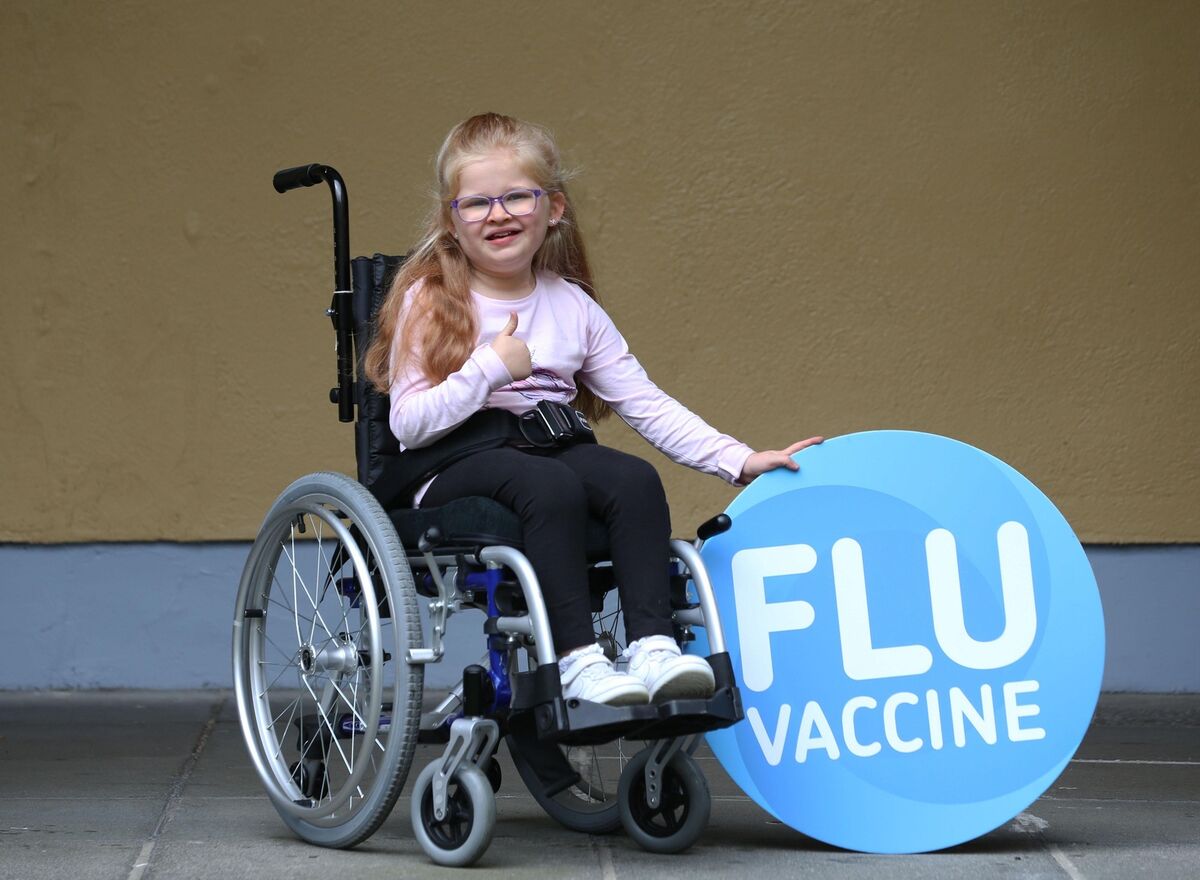
Most children who get the flu have mild symptoms. But every winter some children can get severe complications of flu including pneumonia, bronchitis and encephalitis (inflammation of the brain) which can end in hospitalisation with some requiring intensive care. Children with chronic health conditions are more at risk of developing serious complications from flu.
Between 2009 and 2019, almost 5,000 children were admitted to hospital with complications of flu. Close to 200 children had to have treatment in intensive care and 41 children died.
The nasal spray flu vaccine is given as a single spray in each nostril of your child's nose. It is not painful and is absorbed quickly. It will work even if your child has a runny nose, sneezes or blows their nose after the vaccination.
It’s flu season and children aged 2 to 17 can get their flu vaccine for free. It’s given as a nasal spray, and it’s safe and effective. Find more information on the children’s flu vaccine at https://t.co/2Bflfuf2Vd #YourBestShot pic.twitter.com/fszY2OqHZr
— HSE Ireland (@HSELive) October 18, 2021
Most children only need one dose of the vaccine each year. Some children aged 2 - 8 years with chronic health conditions like chronic heart or lung conditions may need 2 doses, given four weeks apart, if they have never had a flu vaccine before.
The nasal spray flu vaccine is available to children aged 2 to 17.
It is available free of charge.
Your child can get the vaccine at your GP or pharmacy from October until the middle of February 2022.

There are some mild side effects associated with the nasal flu vaccine. These include a runny or blocked nose, headache, loss of appetite and muscle aches. Some children get a temperature after the vaccine but it is usually mild and goes away on its own.
Dr Aparna Keegan, Specialist in Public Health Medicine and Flu Lead at the HSE’s National Immunisation Office, said getting your child vaccinated against the flu is the best way to protect them from the flu and the potential complications.
“The nasal spray flu vaccine is a very safe and effective vaccine and helps your child’s immune system produce antibodies that fight infection.
“If your child has had the flu vaccine and they come into contact with flu virus, these antibodies will help them fight the flu and reduce the risk of getting sick or needing to go to hospital.”
Minister for Health Stephen Donnelly is encouraging all parents to avail of the free flu vaccine.
“Children are more likely to contract the flu and become seriously ill from it.
“The nasal flu vaccine will help protect your child, your friends, your family and your colleagues, keeping us safer and healthier throughout the winter months.”
“Flu and other respiratory illnesses have a significant impact on our health system, as well as the general health and wellbeing of the population each winter. The best way we can all work together to protect ourselves, our loved ones, our frontline healthcare workers and our health system as we continue to manage the COVID-19 pandemic is to get vaccinated.”
Your child should not get the vaccine if they:
- have had a severe allergic reaction to a previous dose of the flu vaccine or any of its ingredients
- have severe asthma or if they have been wheezy or needed their inhaler more than usual in the 3 days before the vaccination
- are taking medicines called salicylates, which include aspirin
- have taken influenza antiviral medication within the previous 48 hours
- have a severely weakened immune system because of certain medical conditions or treatments
- are living with someone who has a severely weakened immune system - for example, a person who has to live in insolation in the months following a bone marrow transplant
- have a condition which means they have a leak of the CSF (the fluid that surrounds the brain and spinal cord)
- have severe neutropoenia (low levels of a type of white blood cell)
- are on combination checkpoint inhibitors (e.g. ipilumumab plus nivolumab) which are used to treat cancer are pregnant
- If your child has had a cochlear implant - the advice of the specialist looking after your child will be needed to see if your child can have the nasal flu vaccine.
- You should delay your child's vaccination if they are not well and have a high temperature.
For more information on the free nasal spray flu vaccine go to hse.ie
CONNECT WITH US TODAY



Be the first to know the latest news and updates