Trisha Lewis: We can be so hard on ourselves over a bag of chips or a glass of wine
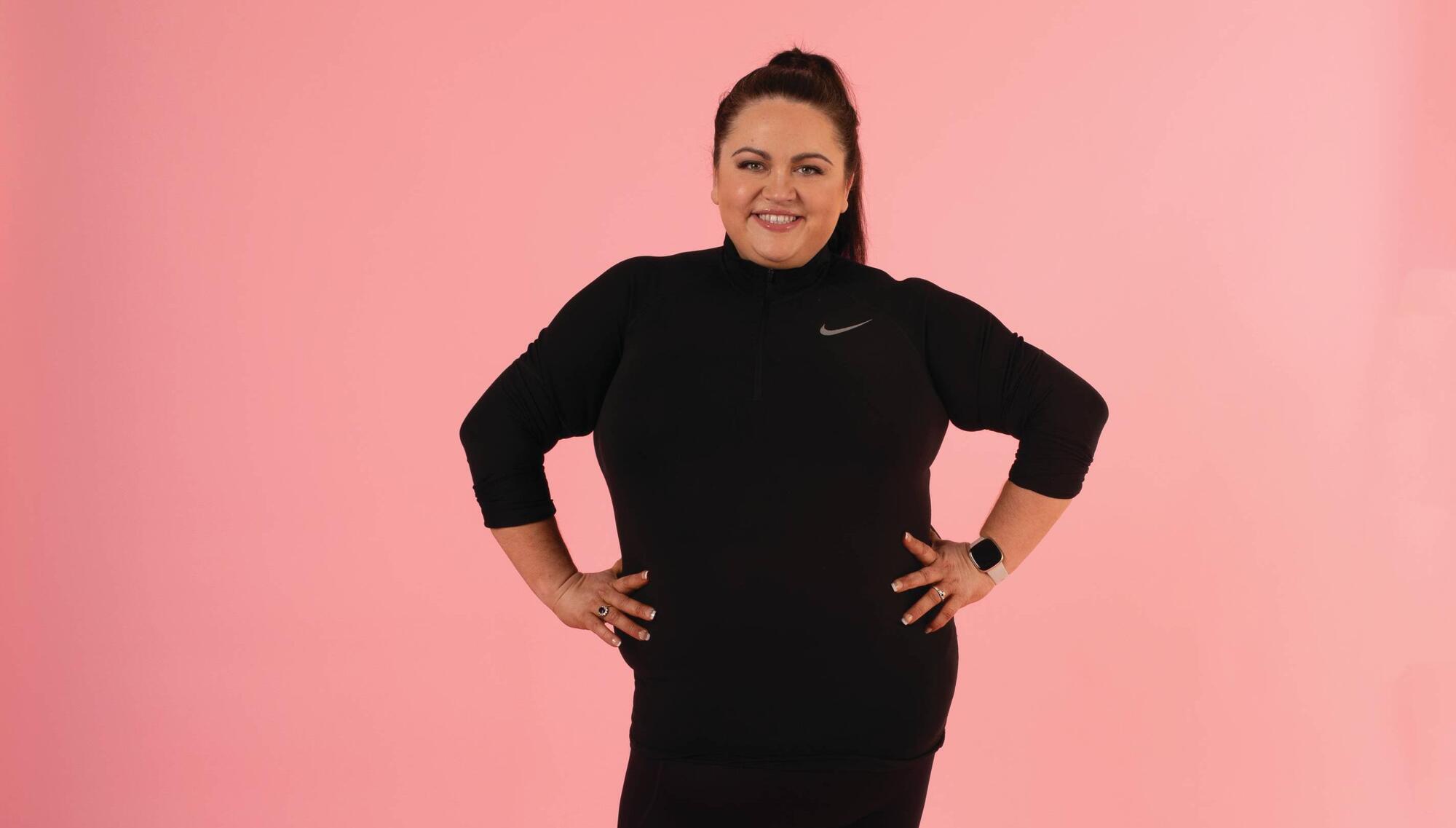
'I’ve more self-acceptance than I ever had in my life by being me.'
Trisha Lewis has come a very long way from the dark days of 2017 when she rang the Samaritans looking for help to battle her demons. Back then, she worked as a chef, weighed 26 stone, and was in despair after cancelling her plans for gastric-band surgery.
Today, she has 208,000 followers on the hit Instagram page known as Trisha’s Transformation. She has written two best-selling books: Trisha’s Transformation: Beat the Bulge and Still Indulge and the recently released Trisha’s 21-Day-Reset. She is a motivational speaker, a brand ambassador for supermarket chain Aldi, and is working with Dove on its Self-Esteem Project which aims to foster positive body image among young people.
“It’s weird because for 13 years I knew my job back to front and now every single day of my life is totally different,” says Trisha, adding that it broke her heart to leave her job as head chef in the acclaimed Cork restaurant Jacobs on the Mall.
“I knew that if I wanted to continue on with the healthier lifestyle, I had to give up cheffing. I took the scary decision to work for myself and thankfully it paid off.”
The 33-year-old firmly believes that we are all capable of achieving much more than we give ourselves credit for.
“We’re always so hard on ourselves, trying to be someone else, whether that’s a thinner version, a bigger version, it doesn’t matter. We have to realise that who we are right now is exactly who we’re meant to be, so you have to accept it and say ‘I actually love this person because this person is going to get me to where I want to go. I’m not going to change who I am now to fit in’.”
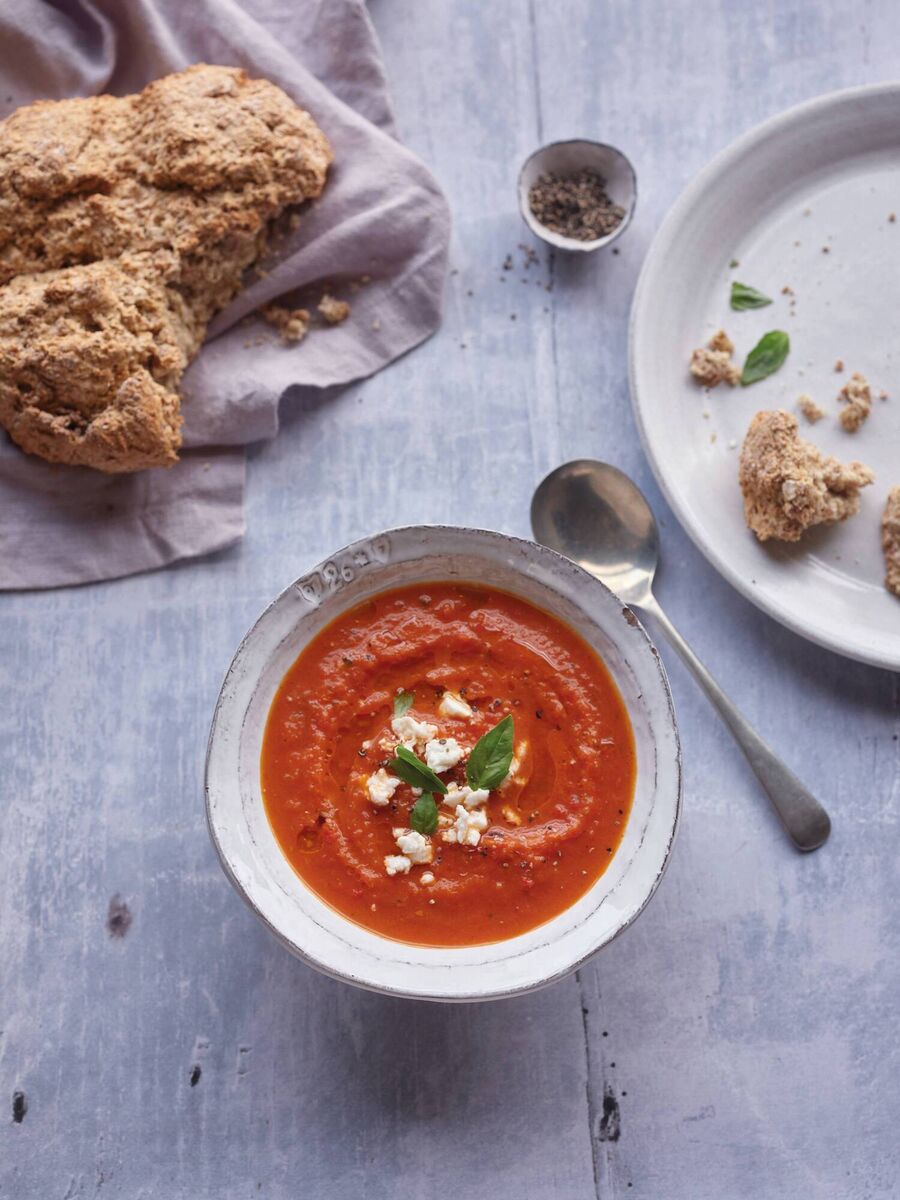
But it was a long road for the Limerick woman, who is now seven stone lighter. Trisha says that her lowest point came when she turned to the Samaritans.
“I knew it had gone further than weight, I had become the biggest enemy in my own head.”
She was despairing after cancelling an operation to get a gastric band fitted: “I felt that it was the only hope I had and I couldn’t even do that.”
She pushed her family and friends away, but still they stuck by her: “They were terrified for me. I remember my sister asking ‘when are you going to see what we can see?’ I remember hearing those words and wondering what it was that they could see.
“If you see somebody struggling and you offer them help, they might lash out. That’s not a reflection on your relationship, that is an inner demon in your friend and you’re after hitting a pain point and they don’t mean it. Please stick around. What got me through it was the love from my friends and family who want me to be happy.
Weighing 26 stone, in February 2018, she asked herself whether this was it for the rest of her life.
“Am I going to be up and down on the scales, being hard on myself, or am I just going to chance a different method?”
She booked a gym session with a personal trainer and took the first step: “It was bloody hard and eventually it just became a way of life. I had to look inside myself and realise that I was the problem and I had to stop blaming others.
“When you point one finger at somebody, you’re pointing three back at yourself, you have to take ownership. Some days it can be a struggle but I’m enjoying the journey. I’m thinking about this more than the destination, so I think I’m on the right track.”
Her weight gain was, she says, a symptom of her not looking after herself. “It was me not loving myself — the weight was never the issue. If I look back, I always thought my issue was weight, but it was the fact that I didn’t look after myself.”
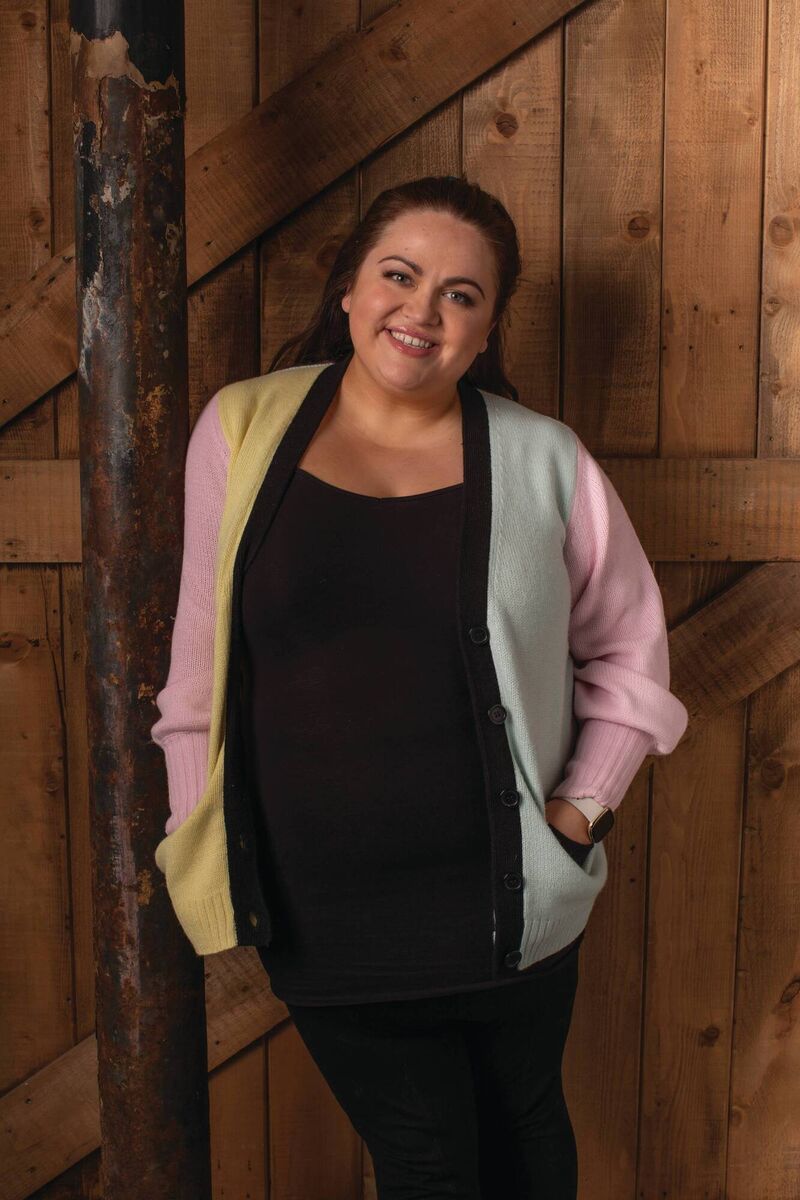
Her positivity began to shine through. She says this happened “by never giving up, by realising I was there somewhere and by knowing I was very much loved”.
I’ve a big family, I have eight sisters and I knew that every time I’d see them, it was gone beyond them worrying about my weight.”
Trisha’s decision to track her journey on Instagram has resonated with many people, especially after she appeared on The Late Late Show in 2019. It was a turning point of sorts for her too. She says that she was wondering just why she was on the show, she was sitting on the famous couch across from host Ryan Tubridy and had forgotten all the things to say that she had practised in the shower. Then she realised that just being authentically herself was enough.
Today, she says that her thousands of followers trust her.
“If I put up something about loneliness, about therapy, about secret eating, about binge eating, you’ve no idea how many people message back, saying ‘I’ve been battling this all my life’.
“We’re all guilty of thinking we’re on our own, we’re all guilty of thinking only we feel this bad and Mary down the road has got it more together than I do.”
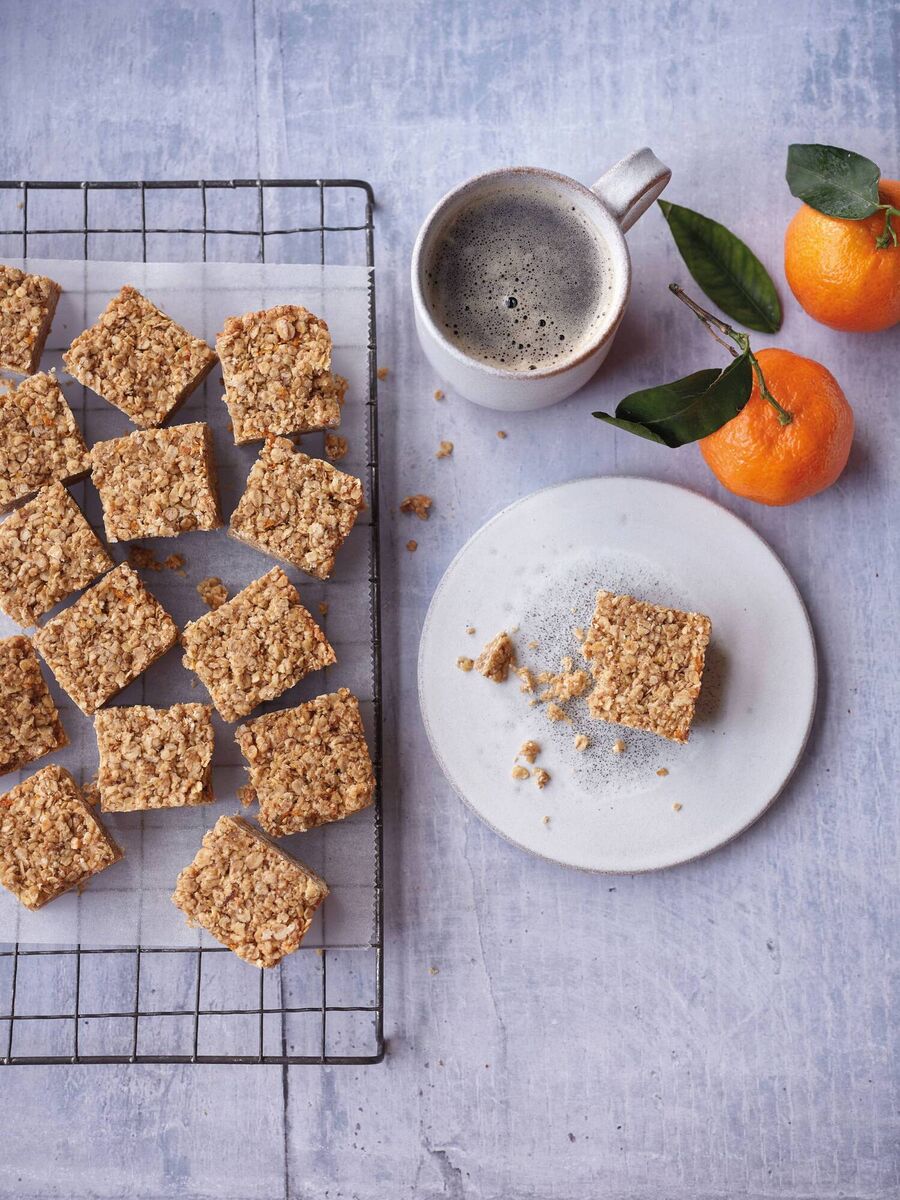
Trisha doesn’t use filters on her Instagram page. She promised herself that she wouldn’t when she set up the account, and she’s grateful that she grew up in a time when they weren’t available.
“I’ve more self-acceptance than I ever had in my life by being me and not filtering it. The more I am myself, the more I become myself.
“If I look back to when I was 10 to 17, I was awful to myself. I really damaged my self-esteem and then if I had had the [social media] filters that are available to a young girl in Ireland right now, I know that I would be dealing with a lot more than I am dealing with now.”
Trisha, who goes to therapy to treat her eating disorder, says that she spends a lot of time working on her inner dialogue: “Don’t bottle up, address it and realise that you can change your inner dialogue, it’s up to you. It’s so important because you are always listening. We can be so hard on ourselves over a bag of chips or a glass of wine.”
If you need help, ask for it, says Trisha, there’s no shame in saying I’m struggling right now, and then make a plan, just focus on just the day ahead.
She spent lockdown writing her second book. Her debut was her own story plus recipes, and her latest one focuses on how to reset yourself after a bad day, week, or month: “For a long time in my life, I could be so successful, I’d be five stone off and I could have seven stone back up in half the time. I s hard on myself, wondering how can someone else do it and I can’t. It’s because I was never taking the feedback from the failures.”
This book is a different one from the one Trisha originally set out to write because she was learning how to reset herself as she was writing: “I’d read back and go, no, I tried that and that wasn’t as sustainable as I thought it would be, so I feel like I’ve really lived this book.”
For Trisha, the phrase ‘do the things you don’t want to do to get you where you want to go’ really helps. She focuses on four things to reset herself: drinking water, moving, eating well, and good quality sleep: “None of us would leave the house with 10% battery on our iPhone, so I make sure that I go to bed, I remove the devices, take some magnesium and really focus on it. Go for the low-hanging fruit, what is easy to access and how can I get it done today?”
Trisha says that she’s had so many high points since she started on this journey, including the time when an airplane seatbelt finally fitted her. But the real highlight is waking up every day and feeling excited, not waking up with dread, fear or tension.
“My high point is being gifted a new day every day and being so happy about it.”
- The Dove Self-Esteem Project aims to reach the lives of one-third of all 11– to 14-year-old girls in Ireland by the end of 2021 through a free programme of easy-to-use resources that are available for teachers, parents, mentors, and guardians across Ireland. To get access to the tools, or to register your school, check out its online learning hub.


CONNECT WITH US TODAY



Be the first to know the latest news and updates