Pete The Vet: How much water should your pet drink?
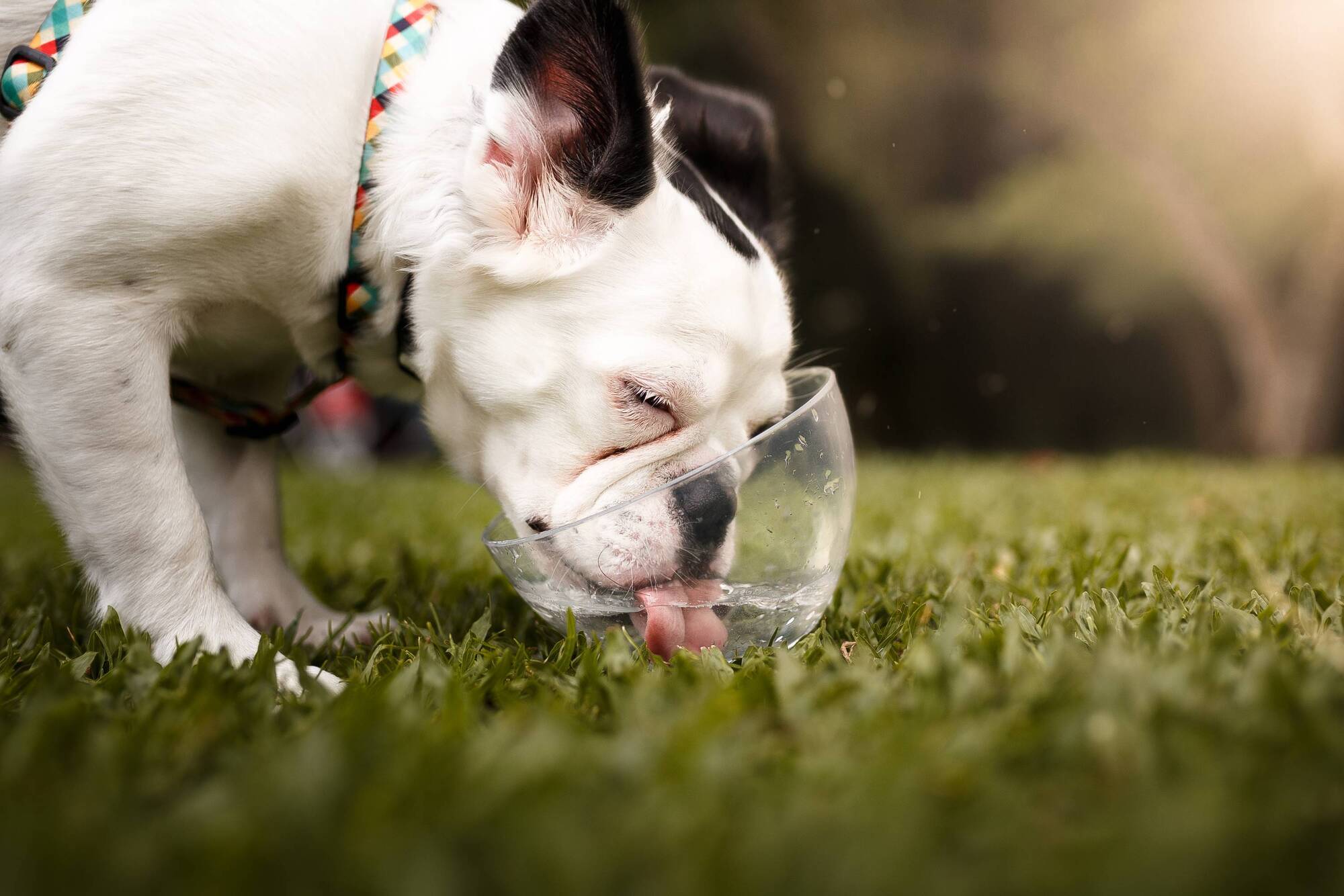
If any animal is drinking more than 100ml per kilogram of body weight, then that’s too much, and needs to be investigated.
When caring for a pet, there are some key issues that owners should keep an eye on. From daily food intake, to digestive health to general levels of activity, the first sign of a significant illness of some kind is often a noticeable change from an animal’s norms.
One important parameter to include is the amount of water that your pet is drinking. In many illnesses, the first sign can be drinking more water than usual, or polydipsia, to use the technical term.
Even before considering measurements of how much water an animal is drinking, most owners have an innate sense that their pet may be too thirsty: they notice them using the water bowl more than previously.
As well as this, one of the obvious consequences of drinking too much water is that affected pets also tend to produce more urine than usual, a problem known as polyuria. Owners may notice this more easily than they notice the increase in thirst: affected pets find it more difficult to maintain bladder control, and it’s common for them to leave puddles around the house in an uncharacteristic manner.
The combination of signs of increased thirst and increased urination is generally referred to as “polyuria polydipsia”, or PUPD. This is the type of jargon which we vets love. Like most areas where a group of people have expert knowledge, vets have their own language and abbreviations: these make it quicker and easier for us to understand each other when talking about cases. PUPD is a classic example, alongside RTA (road traffic accidents), DJD (Degenerative Joint Disease) andUTI (Urinary Tract Infection).
So the big question for owners is this: how is polydipsia defined?
Vets use a simple calculation to work this out: if any animal is drinking more than 100ml per kilogram of body weight, then that’s too much, and they are classified as suffering from polydipsia, meaning that they have an underlying disease issue that needs to be investigated.
This means that over a 24 hour period, a cat or a small terrier of 5kg should not drink more than 500ml (around a pint), and a Labrador weighing 25kg should not drink more than 2.5 litres (just over five pints).
Readers may wonder how to measure an animal’s thirst so accurately. It’s very simple: measure how much water you place in their drinking bowl at a certain time of day, and 24 hours later, measure how much is left. If you’ve had to top up the bowl, factor the amount that you’ve added into the equation.
Of course this will not be precise: animals often drink from more than one place, such as puddles and ponds outside. And there is likely to be some moisture content in their daily food ration. But the amount of water removed from their main water bowl is likely to give a useful approximate guide.
It’s more complex when there are several animals in a home. There are technical answers to this, such as the Felaqua Connect drinker which uses a cat’s microchip number to record individual water consumption rates for different cats in a household.
But in most cases, only one animal is likely to be drinking more than usual, so an average amount of around 50ml per kg body weight can be assumed for other animals using the drinking bowl. This at least gives you a sense of how much your thirstier pet is taking.
What should an owner do if they believe their pet is drinking excessively? The simple answer is that a diagnosis of the underlying cause needs to be established, and so they need to take their pet to the vet. To help their vet (and to help to reach a quicker and more cost-effective diagnosis), it’s worth taking a fresh urine sample along to that first consultation.
It isn’t always easy to collect a urine sample from an animal: I have chased many dogs around the garden clutching a clean bowl of some kind in an effort to do this. Special urine collection kits can be bought, but it still comes down to the same process of trying to dart in at the last moment to grab a mid-stream splash of the yellow liquid. It can be easier with cats: special non-absorbent silica bead litter can be used in a litter tray, allowing the urine to be decanted once the cat has done their business.
If you can’t collect that all-important urine sample, vets have ways of doing this, either by passing fine needles directly into the bladder through the abdominal wall, or by using plastic catheters introduced into the animal’s bladder through the urethra.
The first stage of a diagnostic work up is simple: measuring the concentration and chemical contents of the urine, with a combination of instruments and dipsticks. This immediately allows many diseases to be ruled in or out. Examples include diabetes mellitus (glucose is always present in the urine) and chronic renal failure (the urine is always far more dilute than usual).
Your vet may or may not be able to tell you at once why your pet’s drinking habits have changed, but the physical examination and urine analysis is always a helpful first step. What next? It’s always very individual, and your vet is the best person to explain the next steps to you.
If you want to keep yourself as ultra informed as possible, you could try typing “PUPD investigation” into an internet search engine. Or to save time and keep it simple, send me an Ask A Vet query via Petfix.com. I’m always happy to help.
CONNECT WITH US TODAY



Be the first to know the latest news and updates