How to prepare a dog for your return to the workplace
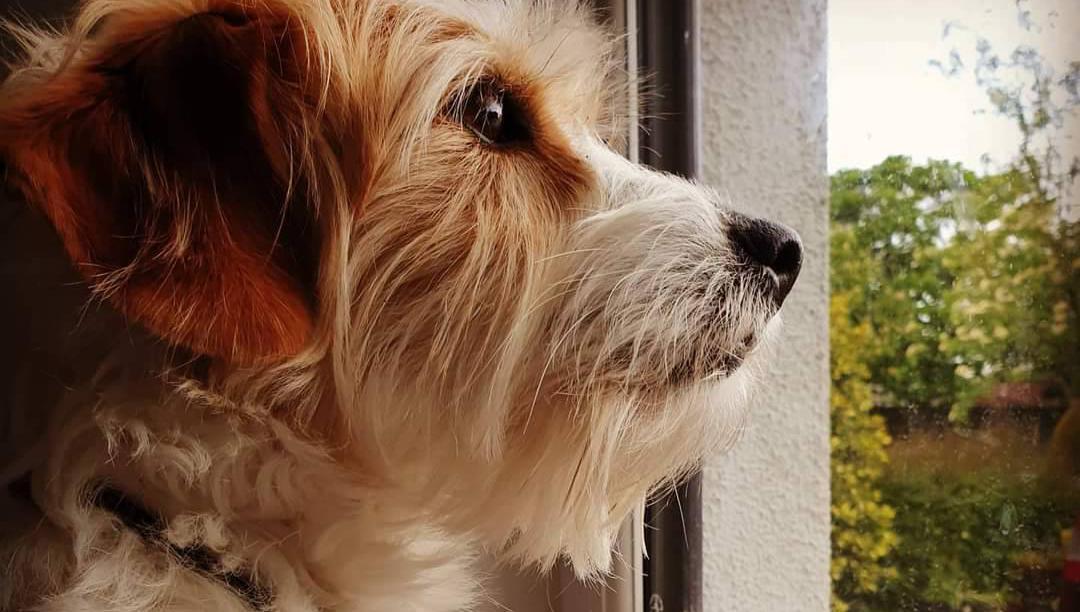
Bella waiting for the family to return.
People all over the world have been deeply affected by the pandemic. Whether they've experienced sickness, loss, fear, isolation, or stress there is no doubting that the pandemic has left its mark.
But while we have been able to verbalise our distress or discomfort, the same cannot be said of our four-legged friends who have also had their daily routine turned upside down since March 2020 with most being fortunate enough to have their owners at home all day.
Dog owner, Lorna Gray, who lives with her husband, their three daughters, and two mixed-breed dogs Buster and Bella, says the various lockdowns have been great for the canine members of the family who have loved having everyone home all day.
“Buster [who is almost nine years old] has a very lively, bouncy attitude and just loves when we are all at home,” she says. “Lockdown really suited him as he loves the company and would just lie happily at our feet all day – following us around if any of us moves in case he might miss something. And, if given the chance, he’s the first one in the car to head off for any sort of adventure.
“I was a stay-at-home mum when we first got him and when I went back to work [as a book-keeper] I felt he needed a companion, so we adopted Bella three years ago. She is a calmer dog but seems to have anxiety and has a nervous personality – and during Covid would sit, curled up on the girls lap whenever she got the chance. She is also a real ‘foodie’, so loved the fact that was always someone eating so she would get treats constantly throughout the day.”
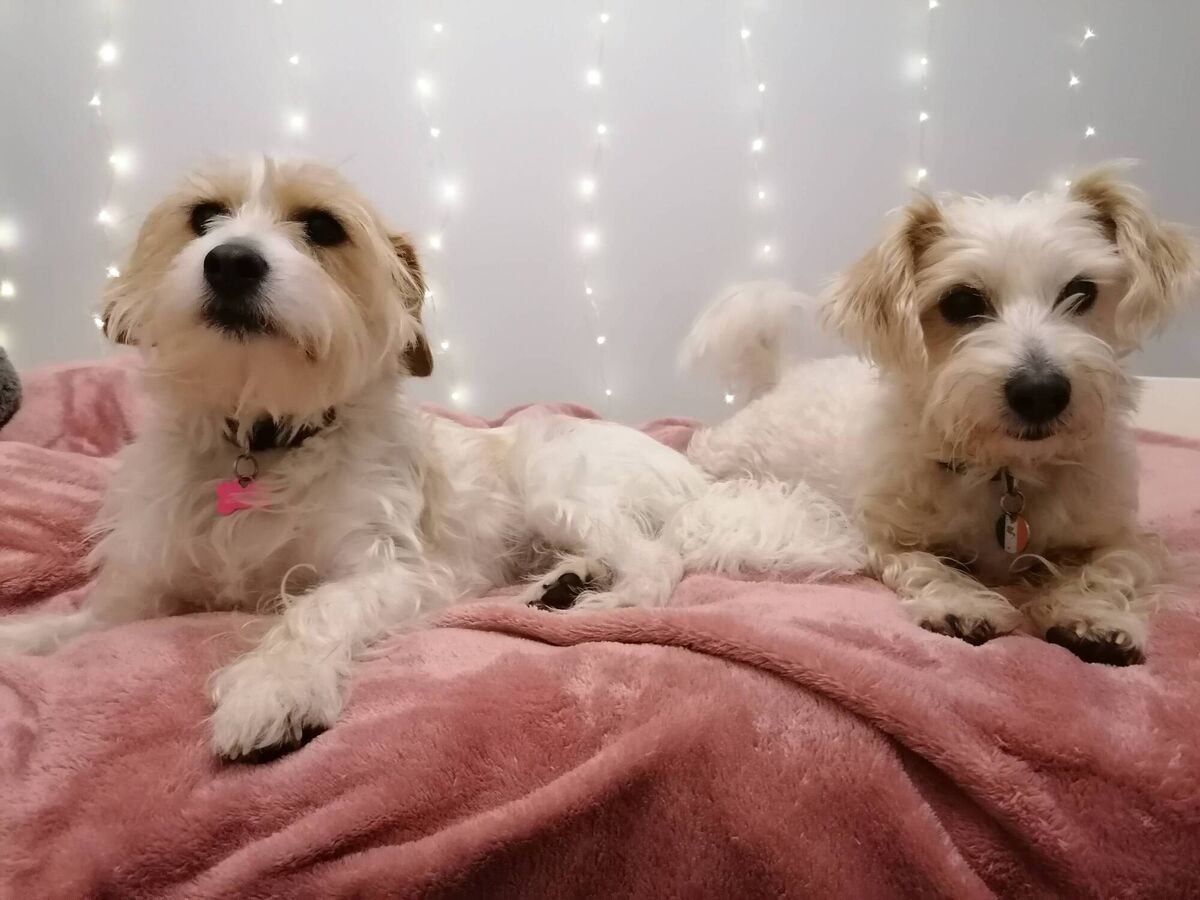
The Galway woman felt guilty leaving them after life returned to some sort of normality. While Buster and Bella get along really well - they "love individual attention", playing games, doing tricks and going for walks - it was a very big adjustment when schools re-opened, and Lorna and her husband went back to work.
“The house went from constant busyness to silence overnight, and it did stress them out,” she says. “Bella would chew the mat or her bed or sock or whatever might be lying about and on one occasion I came home to find Buster had done his business in the bathroom. The guilt on their faces when they know they have done something wrong is priceless."
She arranged for the dog walker to bring both dogs for a walk to give them a break from the house. "It gave me peace of mind knowing that they wouldn’t be cooped up all day getting up to all sorts of mischief."
Their dog groomer suggested giving them a ‘licky’ mat each before leaving the house. "This is great as it keeps them busy while we head out the door and the distraction seems to keep them more relaxed. We also leave classical music or smooth jazz on so they are not in total silence.
2I would definitely recommend other dog owners to try these things, as it really worked for my two.
“Needless to say when we get home the welcome is immense, and we just love it. Our dogs are like our extended family, and we do our best to make sure they have a happy, comfortable stress-free life.”
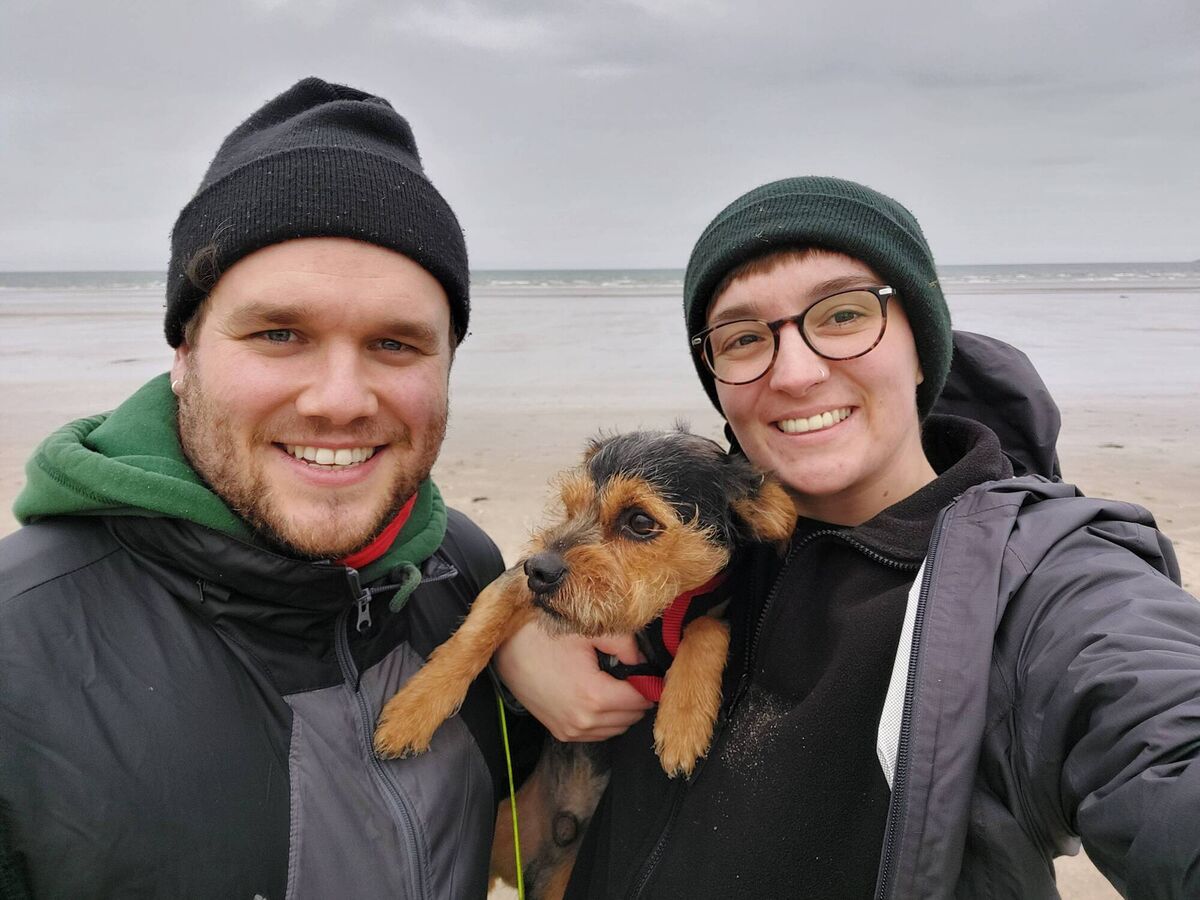
Grace Seymour found that her dog Fred, a Yorkie cross, who she shares with fiancé Dean in north Co Dublin, was very anxious when they both returned to work after being at home during lockdown.
“Pre-covid we were both working in an office, Dean was nine to five, and I was on shifts, getting home as late as 9.30pm,” she says. “Fred was left alone most days – but he was used to it and got a walk every morning and evening.
"Since Covid, he adores us being home – he now gets an extra walk at lunchtime and times it perfectly, popping his head into my office to remind me that it is time to go.
“He is never far from my side, and we’ve noticed he is anxious and barks when we try to leave the house without him – I think he’s struggling to understand where we are going."
The couple is working on helping Fred get used to occasionally being on his own. "But we are planning on having at least one of us with him during the day as we enjoy working from home and are aware that it’s not healthy for him to be so anxious all the time.”
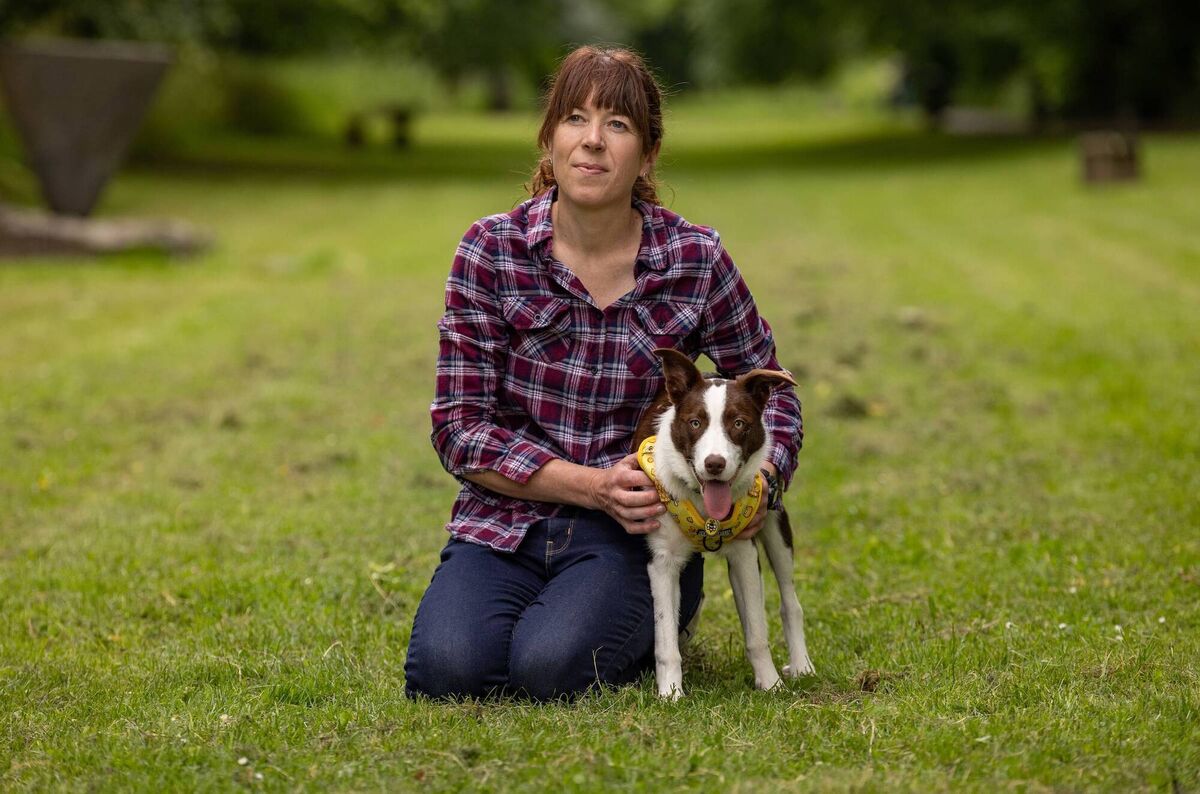
Agility trainer Dawn Greer from Durrow, Co Laois, says getting a dog used to being on its own is important and owners should prepare for this a few weeks before returning to work full-time.
“Start with just short periods of time at first, leaving them on their own for as little as five minutes and gradually building that time up,” says Dawn who has represented Ireland at Crufts, the World Agility Championships and the European Open.
“Young puppies should not be left on their own for long periods of time so if you do have to go back to work then it is important that for any dog, but especially a puppy, that they are not left on their own all day. Try to source a good dog walker that will take your dog out and spend some time with them while you are at work.”
Agility trainer Dawn Greer offers expert tips on how to prepare your dog for your return to the office.
- A tired dog is much more likely to relax and sleep than a dog full of energy, so depending on its age, a 45-minute walk will use of plenty of energy. Make time to get up and walk your dog before you go to work or, if they are too young, play with them and do a little training instead.
- Give them an interactive toy (some are stuffed with food) as you are leaving. This will keep your dog entertained for a little while immediately after you leave and help to create a more positive association with you leaving.
- Leave a radio on so that there is background noise in the house. This helps to dampen down the noise from outside so that your dog can relax more and not be constantly on alert.
- Create a routine as they like it and it also helps them to settle.
- Once they get used to their routine, they will generally settle down and sleep after you leave for work because this is what they do most days. But you have to prepare for this a few weeks before going back to work - and build up the length of time they are left on their own gradually.
- Some dogs will cope much better than others with being left on their own. However, if your dog has severe separation anxiety then you need to seek help from a qualified dog behaviourist.
For more information see www.petmania.ie/puppyclub, a free online resource for ‘pet parents’ with advice on puppy health, diet, training and grooming.
CONNECT WITH US TODAY



Be the first to know the latest news and updates