Most teens aren't getting enough key nutrients like calcium and Vitamin D
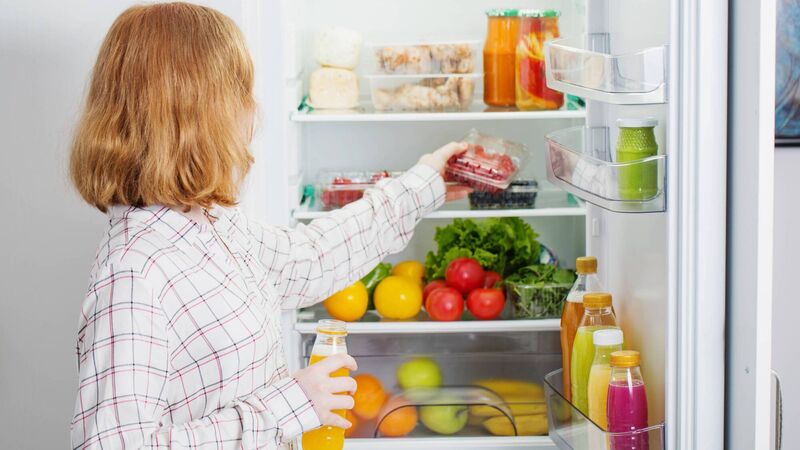
One way to get teens on board with a balanced diet is to emphasise the health impacts that really matter to them – motivate them with the message that Vitamins A and C are important for skin.
Irish teens have inadequate intakes of some key nutrients, according to a recent Irish Universities Nutritional Alliance study, which reported on dietary intakes of 428 Irish teenagers aged 13-18.
Fifty-one percent have insufficient calcium intake, and the figure climbs to 94% for inadequate amounts of Vitamin D. Shortfalls in other nutrients were also found, including vitamin C, riboflavin, vitamin B6 and vitamin A.
The findings don’t surprise dietician Aveen Bannon ( Dublin Nutrition Centre). “There are so many messages surrounding food it can be overwhelming for teens. Some are restricting intake or following a diet. Others rely too much on sweet foods and displace intake of nutritious food.”
She attributes less-than-ideal calcium intake to an increase in popularity of plant-based diets and teens not replacing their dairy intake with plant-based alternatives. “Teenagers don’t realise this is a key period of growth and development and that calcium in your teens is essential for ensuring strong bones for your future.” And she reports that taste preferences are cited by teens as most common reason for poor intake of fruit/vegetables.
There are particular challenges getting teens to eat a balanced diet. They’re not generally concerned about future health and often follow trends rather than listen to science. “Boys can perceive that a high protein diet will improve growth and muscle development whereas this isn’t the case. And if they take more protein they can displace intake of other nutrients form other foods.” There’s also the fear of carbs.
Bannon says one way to get teens on board with a balanced diet is to emphasise the health impacts that really matter to them – motivate them with the message that Vitamins A and C are important for skin. And that bone is an active tissue so calcium can feed an active tissue and therefore help maintain a good metabolism. “Skin, energy and good metabolism are more tangible to teens.”
She highlights some positive research findings – a reduction in sugary drinks and increased water intake. “Also 67% of kids are meeting their exercise goals, though one concern is that 45% of girls are jogging, whereas team sports are better as they’re social – 52% of boys play football.”
Full report of National Teen Food Survey at https://www.iuna.net/. For info on teenage nutrition, visit https://healthfest.ie/. Also explore National Dairy Council’s interactive learning course on ‘Nutrition for Teenagers’ at https://www.ndc.ie/nutrition-and-you/#/.
Encourage independence but don’t be afraid to parent: guide your teen if there’s dietary imbalance. Say: you’re still growing and need fuel for this.
Have two colours in lunchbox: fruit and veg. Include carbohydrate: sandwich/wrap/pasta – and protein (meat, fish, poultry, cheese, quorn, bean, tofu).
If dinner’s over an hour after getting home, provide snack (smoothie/soup/cheese and crackers/carrots and humous/nuts/hot milky drink/fruit).
Nine to 18-year-olds need five servings from milk/yogurt/cheese food group. Servings include 200ml milk, 125g yogurt, 25g cheese.
Talk about what they need in diet – not what they don’t need/shouldn’t be having.


CONNECT WITH US TODAY



Be the first to know the latest news and updates