Drinking coffee could help you live longer: What to eat and drink for a healthy heart

Coffee drinkers were at an eight percent lower risk of dying early even if they only consumed one cup a day.
What and how you eat can protect your heart. Researchers have shown that diet influences the risk of heart disease and that changing the foods we consume could help to cut the 8,744 deaths – more than half (4,612) of whom were men - from heart disease and stroke that the Central Statistics Office recorded last year.
Yet confusion reigns about which foods really help to lower blood pressure and cholesterol and reduce heart disease risk. So, what do cardiology experts say are the foodstuffs that most improve heart health? Here we investigate – and some of the results may surprise you.
Three to five cups a day
In two papers published in the Journal of the American College of Cardiology, Andrew Freeman, the director of cardiovascular prevention and wellness at National Jewish Health, produced good news for coffee drinkers. He confirmed that coffee consumption is linked to a lower risk of cardiovascular death, and that there is no association between coffee and raised blood pressure. There is so much more to coffee than caffeine, and it is the heart-healthy antioxidants it contains that hold the benefits. In July researchers reported in the journal JAMA Internal Medicine that coffee drinkers were at an 8 per cent lower risk of dying early even if they consumed only one cup a day. The benefits rose to 12 per cent if people drank two to five cups a day, while those consuming a regular six or seven cups were a staggering 16 per cent less likely to die from any disease during the duration of the study. It was suggested that coffee’s ability to improve insulin sensitivity and blood-sugar control was, in part, responsible for some heart protection. Another trial involving 25,138 men and women at Samsung International Hospital in South Korea, found that those who drank three to five cups of coffee a day had the least risk of coronary calcium clogging their arteries, reducing the risk of a heart attack. Be sensible and don’t consume more than the recommended upper limit of five cups a day.

Three times a week
Freeman and his colleagues reported that mushrooms “have an anti-inflammatory effect and antioxidant benefits” and we should be eating more for the good of our heart. They are not the first to announce mushrooms as a new superfood. Trials by Robert Beelman, a professor of food science and the director of the Center for Plant and Mushroom Foods for Health, at Penn State College of Agricultural Sciences, published recently in the journal Food Chemistry showed that mushrooms contain unusually high levels of two antioxidants — ergothioneine and glutathione — and these have a powerful effect in controlling the production of free radicals in the body.
At high levels, free radicals have been linked to illnesses associated with ageing, including coronary heart disease. Beelman’s results show that all mushrooms contain the nutrients, with porcini mushrooms having the highest levels, but, he says, even plain old white button mushrooms have “over ten times more than any other known food”.
Daily serving of peas, beans or lentils
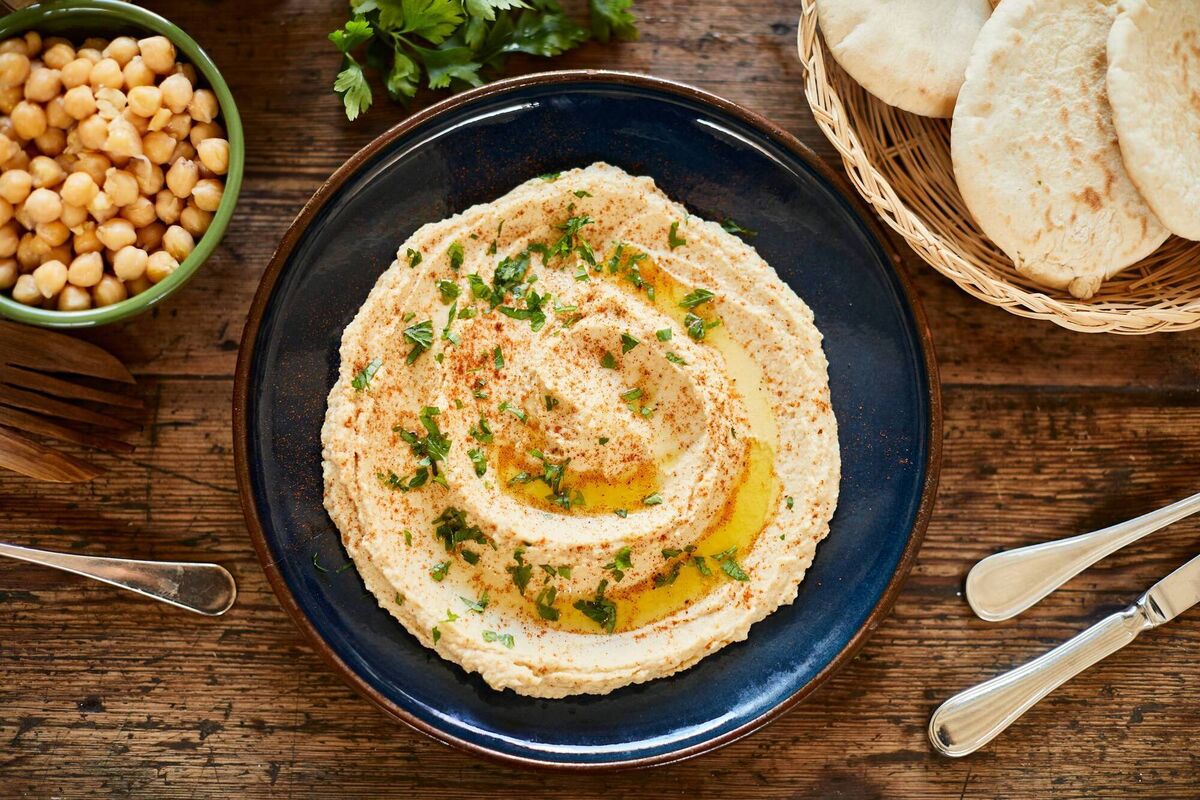
Chickpeas, from which hummus is made, contain significant amounts of the type of fibre that helps to lower cholesterol in the blood, are low in fat and, said Freeman, “are affordable and a rich source of protein” proving a suitable replacement for meat in a meal.
In 2014 researchers at the Clinical Nutrition and Risk Factor Modification Centre at St Michael’s Hospital in Toronto recommended eating one serving a day of beans, peas, chickpeas or lentils after their research showed it reduced “bad cholesterol” by 5 per cent, lowering the risk of cardiovascular disease (CVD) by 5 to 6 per cent. “We should be incorporating more beans and bean dishes, like hummus, into our diets to promote heart health,” wrote Freeman.

More than three servings a week
All berries are a good addition to a heart-healthy diet, but strawberries and blueberries top the lot, according to Freeman’s papers, with their ability to “induce protective antioxidants”. As part of the Nurses’ Health Study, a key US research programme involving 93,600 women, researchers from the Harvard School of Public Health showed that those who ate the most of these particular summer fruits — and consumed them at least three times a week — were at 32 per cent lower risk of a heart attack than those consuming the berries once a month or less.
So potent were the effects that even if they had eaten a lot of other fruits and vegetables, the female subjects were more likely to suffer heart attacks if they avoided strawberries and blueberries. It’s thought that the high levels of flavonoids — antioxidant compounds found in many plants — that are present in strawberries and blueberries help to combat blocked arteries. The findings apply equally to men. Pile them up at breakfast.
Maximum 30g a day
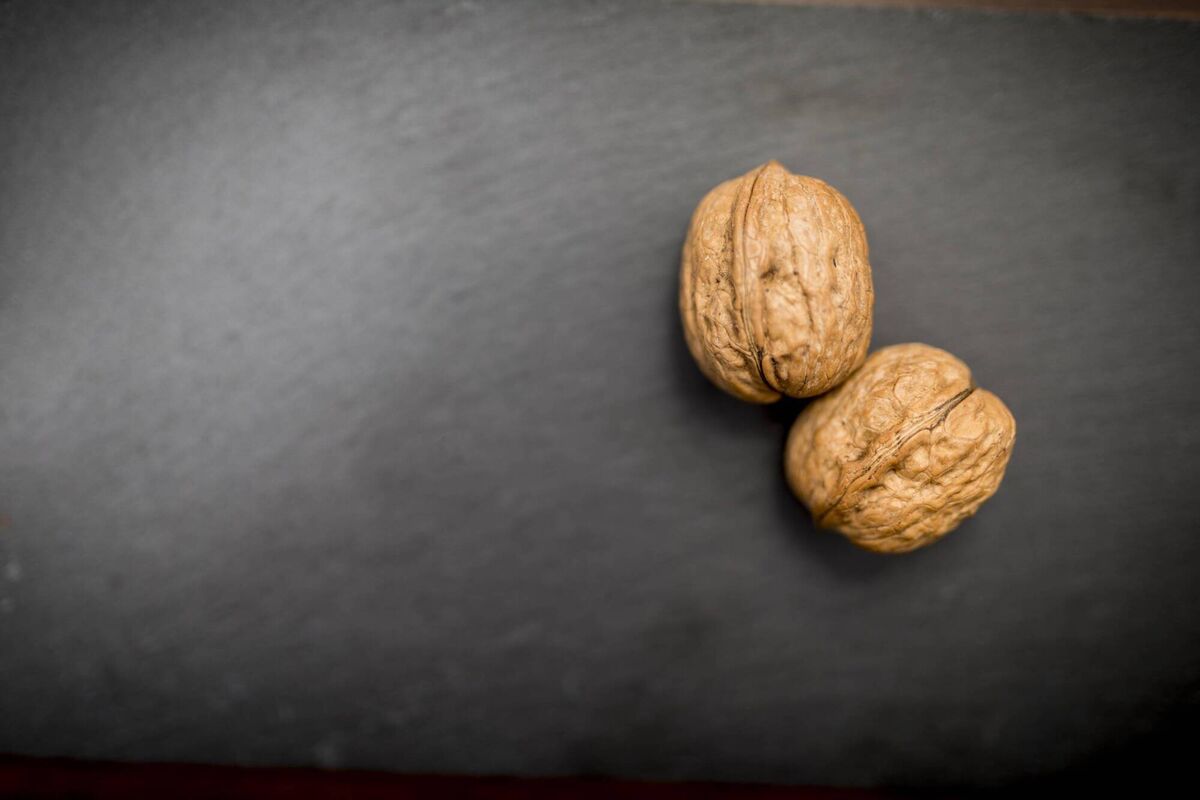
Even the World Health Organisation says that we should try to consume more nuts to reduce cardiovascular disease. Nuts, including cashew and pistachio, are particularly rich in nutrients such as vitamin E, minerals, good fats and dietary fibre. They are also known to have a prebiotic effect, meaning that they selectively feed our good gut bacteria.
Last year a large study from the Harvard School of Public Health suggested that a handful of hazelnuts, cashews, pistachios or Brazil nuts five times a week can cut the risk of heart disease by up to a quarter. And at Penn State University scientists showed how eating almonds daily boosted levels of “good” high-density lipoprotein cholesterol, while improving the way it removes cholesterol from the body.
The downside is that nuts contain many calories, so Freeman and his colleagues advised no more than 30g a day – about 200 calories — and to choose raw nuts (preferably with the skin on for a fibre bonus).
Four to five times a week
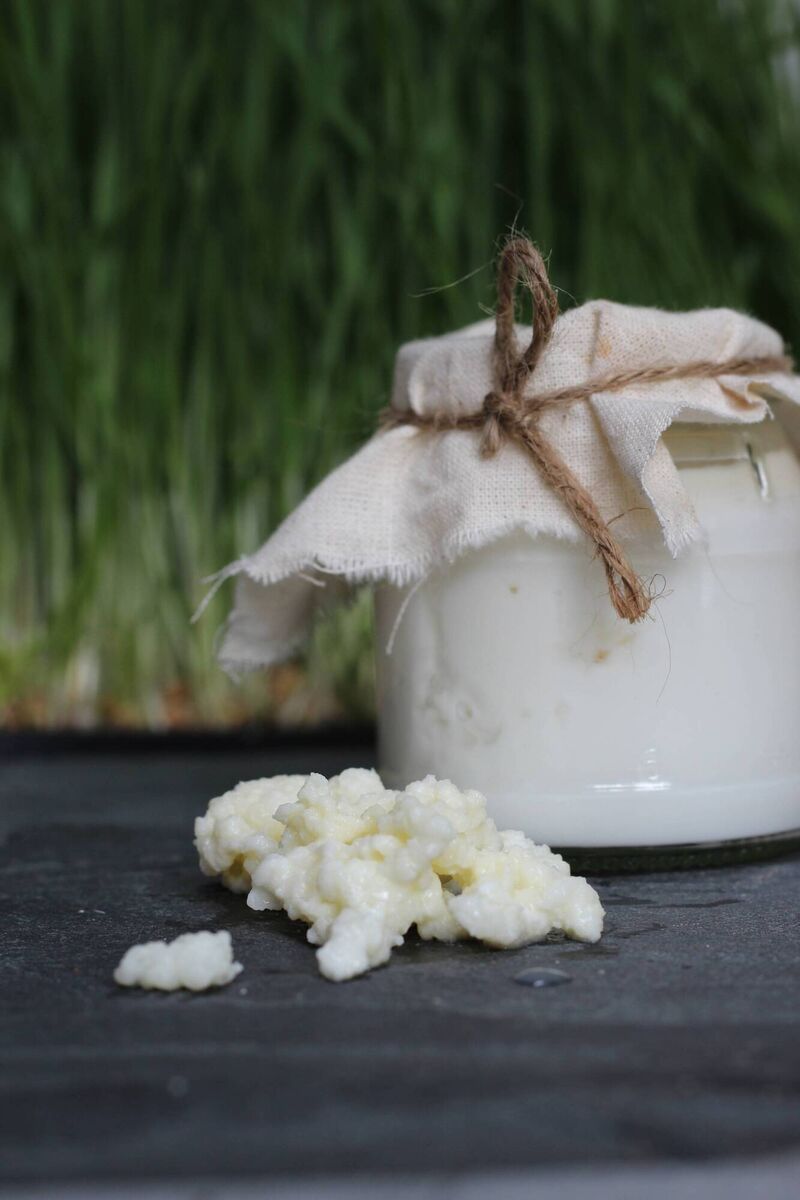
According to Freeman’s team, the benefits of these fashionable fermented foods is due to the effect they have on our microbiome, the vast ecosystem of bacteria, yeasts and fungi that inhabit our gut. Other research from King’s College London and the University of Nottingham’s school of medicine, published in the European Heart Journal, concluded that the greater the diversity of “good bacteria” in our digestive systems, the lower the risk of hardened arteries and cardiovascular disease. Make sure you select foods fermented with bacteria, not vinegar, for the gut-friendly effects and avoid those with too much added salt.
One or two times a week
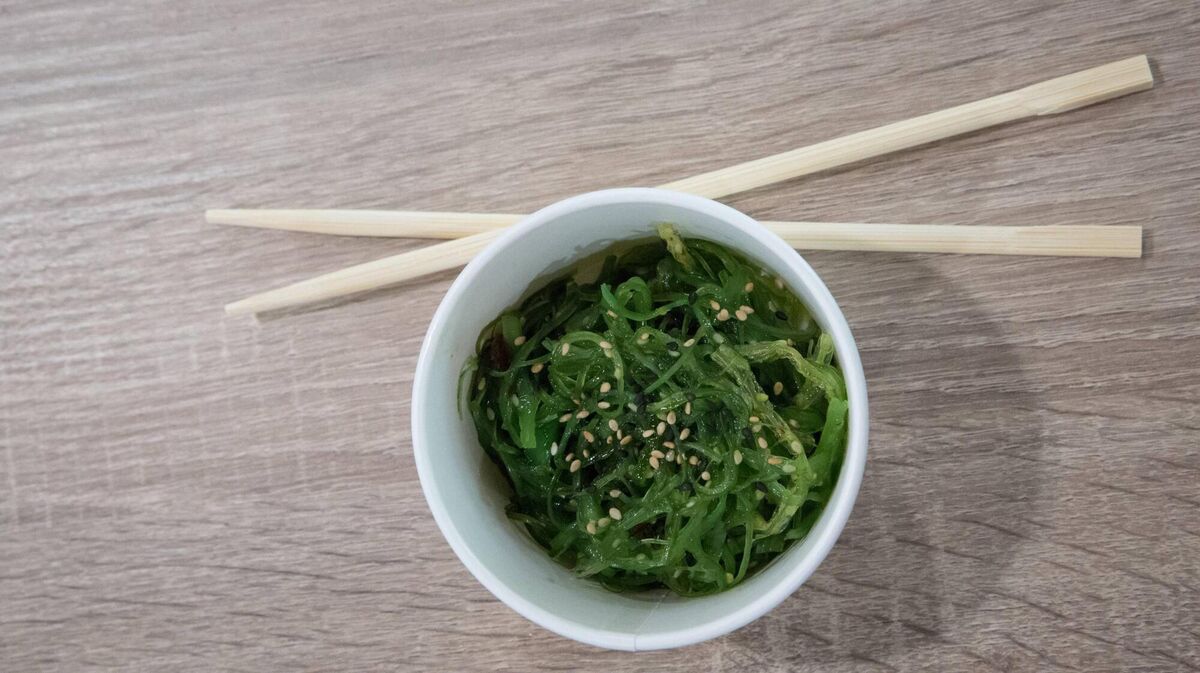
It’s nutritious, filling and low in calories and is considered worthy of mention as a possible addition to your diet because of the “emerging data for CVD and risk-factor improvement”, say Freeman and his team. One way it appears to help is through weight control. Scientists have confirmed that different types of seaweed contain varying amounts of compounds that are an enemy to the expanding waistline. Among these are fucoxanthin found in wakame seaweed that has been shown, in small studies, to burn fatty tissue, and alginates, a type of dietary fibre found in seaweed that blocks the action of the digestive enzyme pancreatic lipase, whose job is to break down fat.
One to two daily servings of leafy greens
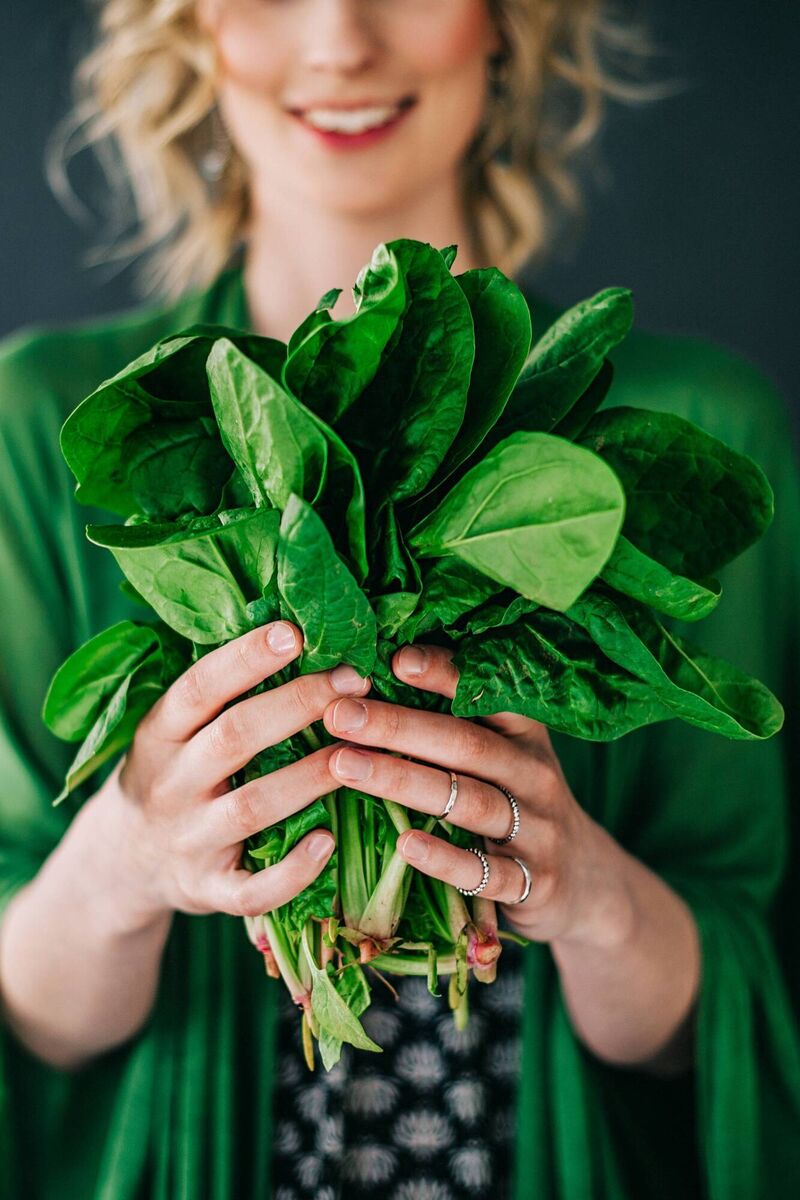
Leafy green vegetables are a rich source of nitrates — compounds that are converted by the body to nitrite and then nitric oxide, a molecule that relaxes and widens blood vessels. Earlier this year, a study (exa.mn/HeartFood) by researchers from Edith Cowan University in Australia involving 53,150 Danish participants (aged 52-60) showed how eating at least one serving of green leafy vegetables proving 60 mg per day of vegetable nitrate could significantly reduce the risk of hospital admissions for heart disease. Those who consumed the most nitrate-rich vegetables – which include kale, rocket, Swiss chard, spinach, romaine and oak leaf lettuce as well as beetroot and beetroot leaves - had lower blood pressure and between up to 26 per cent lower risk of heart disease. “Our results have shown that by simply eating one cup of raw (or half a cup of cooked) nitrate-rich vegetables each day, people may be able to significantly reduce their risk of cardiovascular disease,” said Catherine Bondonno from the Institute for Nutrition Research who led the trial.
Because of coconut oil’s high saturated-fat content — it contains about 86 per cent, one third more than butter (at 52 per cent) — its heart-healthy image is unfounded, according to Andrew Freeman and his colleagues.
Too many energy drinks can “increase blood pressure, platelet aggregation and arythmia risk”, Freeman says, and for a healthy heart, we should limit them or cut them out.
It’s synonymous with clean living and a glowing complexion, but juicing is not great for your heart, especially if the pulp has been removed and with it the fibre that is important for a healthy digestive system and also for lowering the glycaemic index of fruit. Removing pulp from a juice means it “increases caloric concentration”, says Freeman, which is not good for your waistline. Eat fruit whole is the message.
CONNECT WITH US TODAY



Be the first to know the latest news and updates