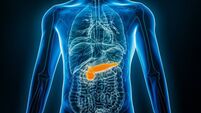
Turn back time: What you eat can make you look and feel younger
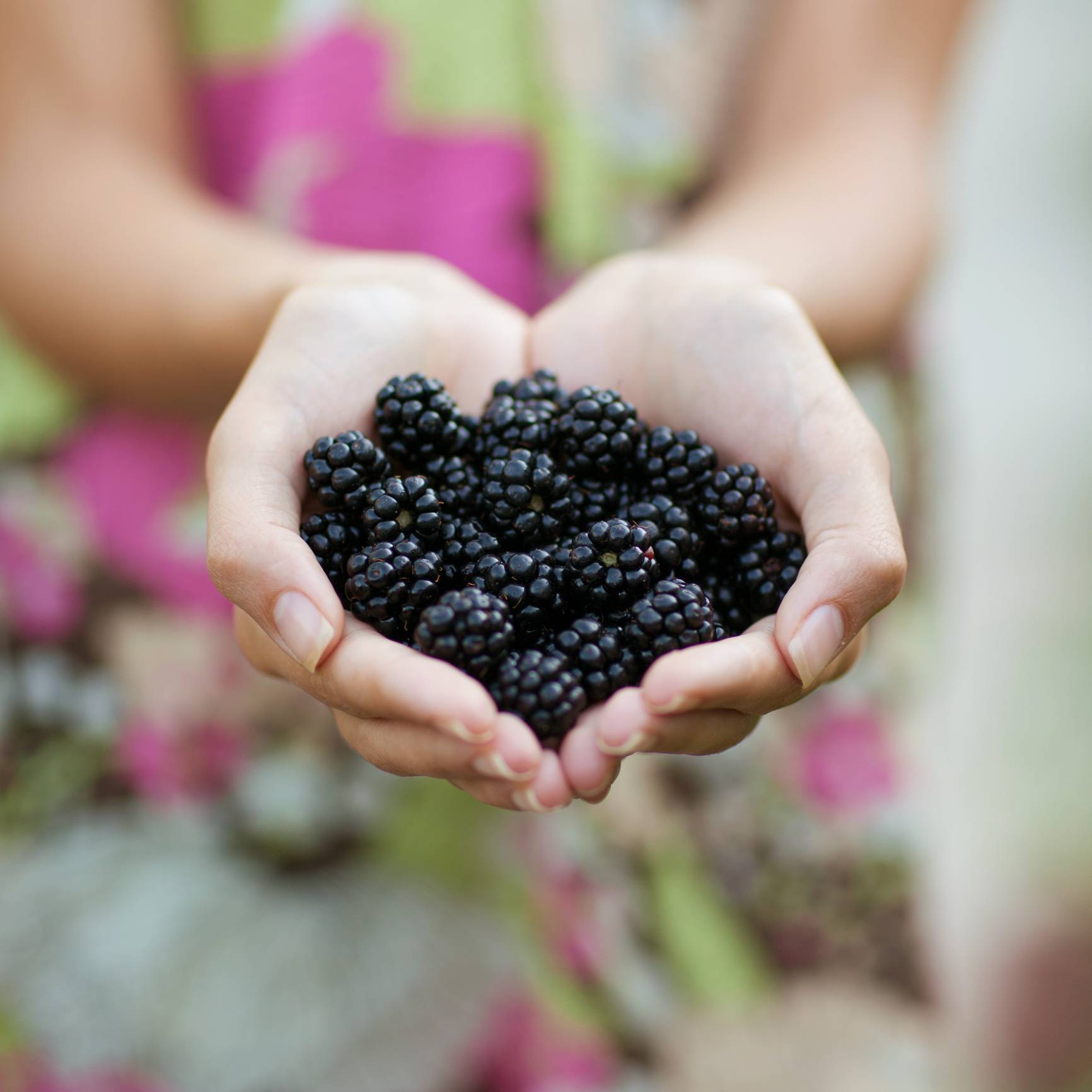
Any berry is good in your diet and the more of them you eat the better.
Has the last year of stressful successive lockdowns taken its toll on your body? Do you feel you have aged five or even 10 years in the last 12 months? You are not alone. But what if you were told that by eating the right foods you could turn back the clock by more than three years in just eight weeks?
According to Dr Kara Fitzgerald, a researcher at the Institute for Functional Medicine in Washington DC and lead author of a groundbreaking paper published in the journal Aging it is possible to reverse the ageing process through simple dietary changes. Simply by switching to a diet rich in leafy greens, cruciferous vegetables and berries a group of middle-aged participants in her trial dramatically reduced their biological age compared to a control group who stuck to their regular diet.
“There are so many claims made about reversing the ageing process,” Fitzgerald says. “But ours is the first and only randomised, controlled and peer-reviewed clinical trial to show that diet and lifestyle changes can bring immediate and rapid reduction in biological age.”
While our chronological age is what we celebrate with birthdays, our bodies also age biologically as we gradually accumulate damage to various cells and tissues in the body. This biological age varies from person to person and can be accelerated by bad habits.
“Some of it is under genetic control, but it is mostly controlled environmentally and is dependent on how we live our lives, including factors such as stress, sleep and, of course, the food we eat,” Fitzgerald says.
A 25-year-old who eats a lot of processed foods high in fat and sugar, who does no exercise and who has smoked for the last 10 years will have a much higher biological age than the age on their birth certificate.
For her trial, conducted with laboratory assistance from Yale University Centre for Genome Analysis, Fitzgerald asked 43 healthy men aged 60-72 to commit to an anti-ageing diet that also included ‘colourful’ vegetables (such as peppers and carrots), beetroot, seeds and garlic and required a ‘gentle’ intermittent fasting window of consuming all meals between 7am and 7pm each day for two months.
During the stricter first eight weeks of the trial, participants were asked to abstain from all alcohol and although an occasional glass of red wine is “generally fine as it is packed with resveratrol”, Fitzgerald says that alcohol should not be consumed in large amounts.
“Salty and sugary foods and sweets should be avoided, as should all refined and processed foods,” she says. “There is strong and growing evidence in particular that raised blood sugar levels from a diet high in sugar and processed foods will accelerate biological ageing.”
A larger trial is now in the pipeline, involving middle aged men and women. Fitzgerald herself sticks to the diet as much as possible and encourages others to do the same.
“I’m crazy busy, but have perfected the art of easy prep options with many of the foods,” she says. “It doesn’t have to be torturous.” Here’s what she recommends you eat to turn back the clock:
These are a must and you should eat two 65g servings every day. “Kale, Swiss chard and spinach are all excellent as they contain lots of folate and other nutrients” needed for a healthy biological diet, Fitzgerald says. Other studies have also shown a daily serving of leafy greens is positively and significantly associated with lower rates of age-associated cognitive decline. Salad greens such as romaine, iceberg and other lettuce were excluded from the trial because they lacked the nutrient density of the dark leafy greens.
“Mushrooms of all varieties, including button, shiitake, cordyceps, porcini and oyster mushrooms are rock star methyl donors, meaning they contain valuable nutrients when it comes to preventing biological ageing,” says Fitzgerald. “We absolutely love them for their nutrient density. Researchers have also shown mushrooms contain unusually high amounts of two antioxidants — ergothioneine (or ergo) and glutathione — that could help to fight the signs of ageing.
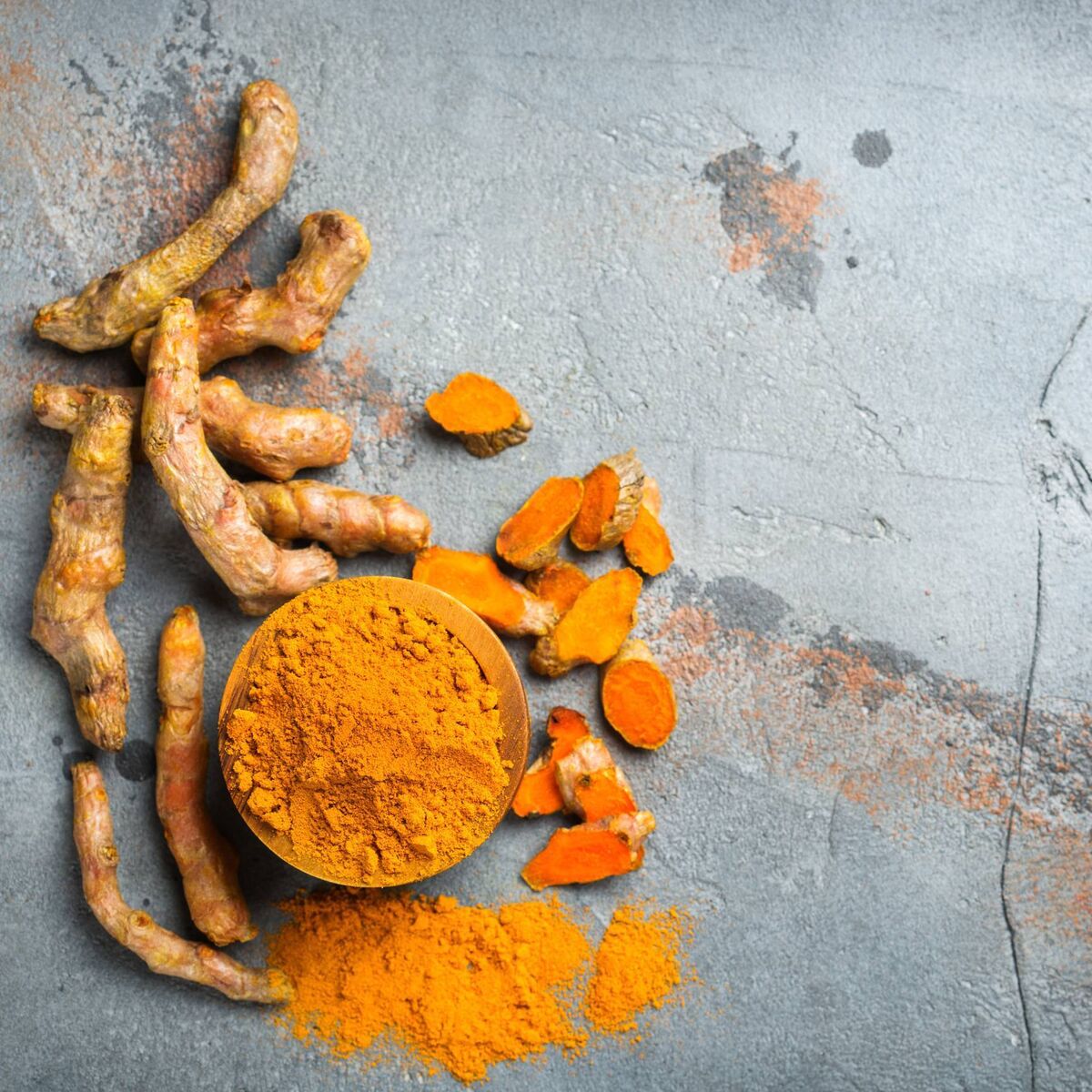
Curcumin, the active component of the spice curcumin is what Fitzgerald terms a methylation adaptogen. “It’s one of the compounds or nutrients that helps the body in terms of reversing ageing,” she says. Add half a teaspoon of the spice daily to vegetable curries and stir fries - mixing turmeric with black pepper, which contains a compound called piperine, as well as some oil can increase absorption by 2000 per cent, she says - or take a supplement. “I take extra curcumin in supplement form just to be sure I get enough,” says Fitzgerald.
Drink two cups of green tea or three cups of Oolong daily, each brewed for 10 minutes so that they are strong and the essential compounds are present in the tea you drink to get another dose of anti-ageing nutrients. “Polyphenol plant components such as theogalline in green tea have DNA methylation regulatory roles,” Fitzgerald says. “Basically they help reverse ageing in a smart way.”
“Tomatoes are a rich source of lutein, an antioxidant carotenoid that has a profound effect on our biological age,” Fitzgerald says. Peppers and grapes are other good plant sources of lutein. Eating tomatoes also means you get a good intake of lycopene, the antioxidant compound that gives them their red colour, which is associated with preventing skin ageing.
Add rosemary to your meals whenever you can – the participants in the study were advised to add half a teaspoon to dishes daily. “Rosmarinic acid, the star component of rosemary,” says Fitzgerald. “Use the herb to season fish, chicken or vegetables as there is plenty of science to show that even small amounts of epigenetic (gene balancing) benefits.”
The phytonutrient allicin found in garlic is another important component of the anti-ageing diet. “Two medium cloves provide a good dose,” Fitzgerald says. “But use it as often as you can.” Garlic, onions and leeks are also important prebiotic foods, helping to create the environment needed for a healthy gut. “A healthy gut will make nutrients essential for reversing biological ageing, including folate, more available,” she says.
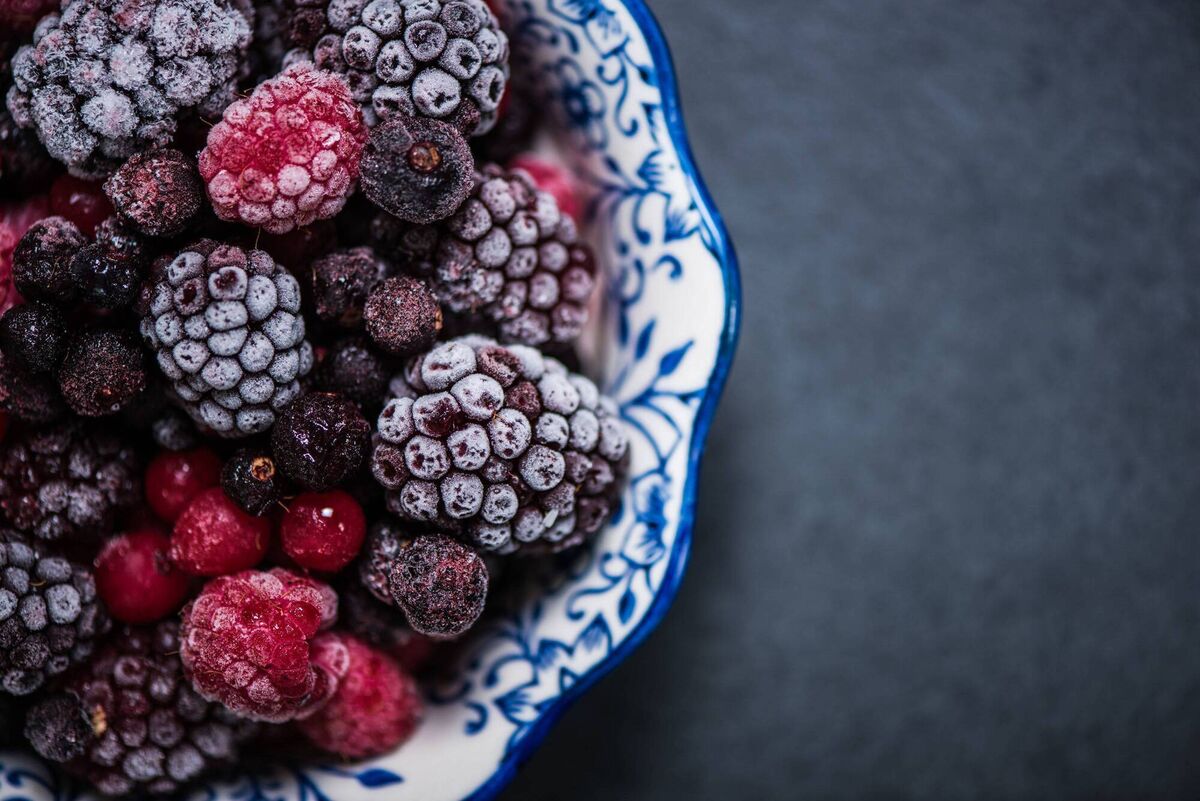
Strawberries, raspberries, blackberries – any berry is good and Fitzgerald says the more of them you eat the better. Participants were asked to eat a handful of berries every day. “They are extraordinarily good in terms of the nutrients and plant compounds they provide,” she says. Berries are a rich source of anthocyanins, an antioxidant that gives them their red and purple colour and which has been shown to help prevent age-related metabolic damage.
“Eggs are arguably the best dietary source of choline, and it’s really hard for the body to make so getting it in the diet IS essential to keep your cells and DNA functioning well,” Fitzgerald says. “If you can tolerate eggs and like them, get your choline by eating 5-10 of them a week.”
Liver is described by Fitzgerald as “a food-based multivitamin” and she recommended that participants in her trial consumed up to three 75 gram servings of it per week. “It is rich in methionine, an amino acid essential for healthy biological ageing,” she says. “But it is rich in vitamin B12, folate and choline too, so is an absolutely fantastic addition if you are a meat eater.” Although she doesn’t recommend an animal protein-heavy diet, eating small portions (150g) of preferably organic meat, poultry or fish once or twice a week will provide “nutrients important for DNA methylation support”.
“Broccoli, cauliflower and Brussels sprouts, as well as bok choi, contain sulforaphane, a sulphur-rich compound with potent health benefits,” says Fitzgerald. “Cruciferous vegetables also contain compounds, called glucosinolates that can be converted by digestion and microbial action in the gut to derivative indoles, thiocyanates and isothiocyanates, biologically active derivatives that are known to reduce inflammation, and prevent some forms of cancer.” Radish, turnip and watercress are other cruciferous vegetables with similar benefits and in her trial, Fitzgerald asked participants to consume two small servings (around 65g each) of any cruciferous veg every day.
All nuts and seeds are helpful, but three are particularly beneficial. “Pumpkin seeds, sesame seeds, sunflower seeds are all rich in important health-preserving nutrients including omega 3 fats, B vitamins and antioxidants,” says Fitzgerald. “If you don’t like eating them, have them as seed butters, choosing varieties without any added sugar.” For the trial, she recommended eating 4tbsp of seeds (or 2-3 teaspoons seed butter) daily.
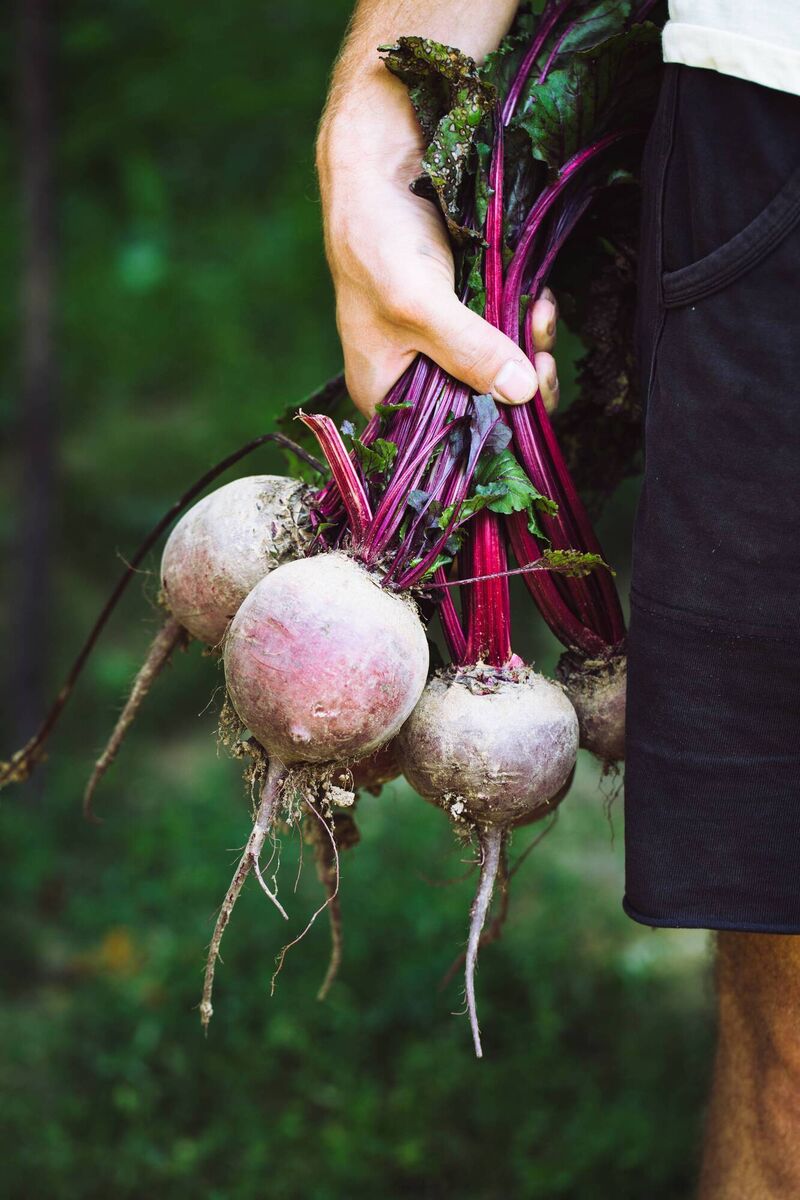
Beetroot contains minerals important for health such as potassium, sodium, phosphorous, calcium, magnesium, copper, iron, zinc, and manganese. They are also a rich source of inorganic dietary nitrates, converted in the body to nitric oxide which has been shown to regulate healthy blood vessels and brain health. “Men in the trial were asked to eat a beetroot every day if they could,” says Fitzgerald. “Add beet to salads and don’t forget to use the beetroot leaves which are also nutrient-rich.” If you don’t like eating it, try beetroot shots instead.
“Apples are a brilliant addition to the diet and, if you eat them with the skin on, are a great supplier of quercetin and other polyphenols that help to regulate our genetic expression and reverse ageing,” Fitzgerald says. Other fruits high in methylation adaptogens that support biological age reversal include avocado, clementines, elderberries, pomegranate and tangerines. Don’t worry about the sugar content of fruit. “Yes, fruit contains sugar and we should be mindful of that,” she says. “But eating some every day is important.”
In her trial, Fitzgerald provided participants with two supplements – a green, vegetable-based powder and a probiotic capsule containing lactobacillus plantarum which was taken twice a day. “Neither was strictly necessary, but we found some interesting outcomes with the probiotic,” she says. “A healthy gut is known to help the body produce and absorb nutrients and we observed higher circulating levels of folate, important for cellular health in the men on the prescribed diet, which is possibly down to the fact that the probiotics further enhanced gut health.”
CONNECT WITH US TODAY



Be the first to know the latest news and updates