Natural health: Elderflower infusion for summer colds and hay fever
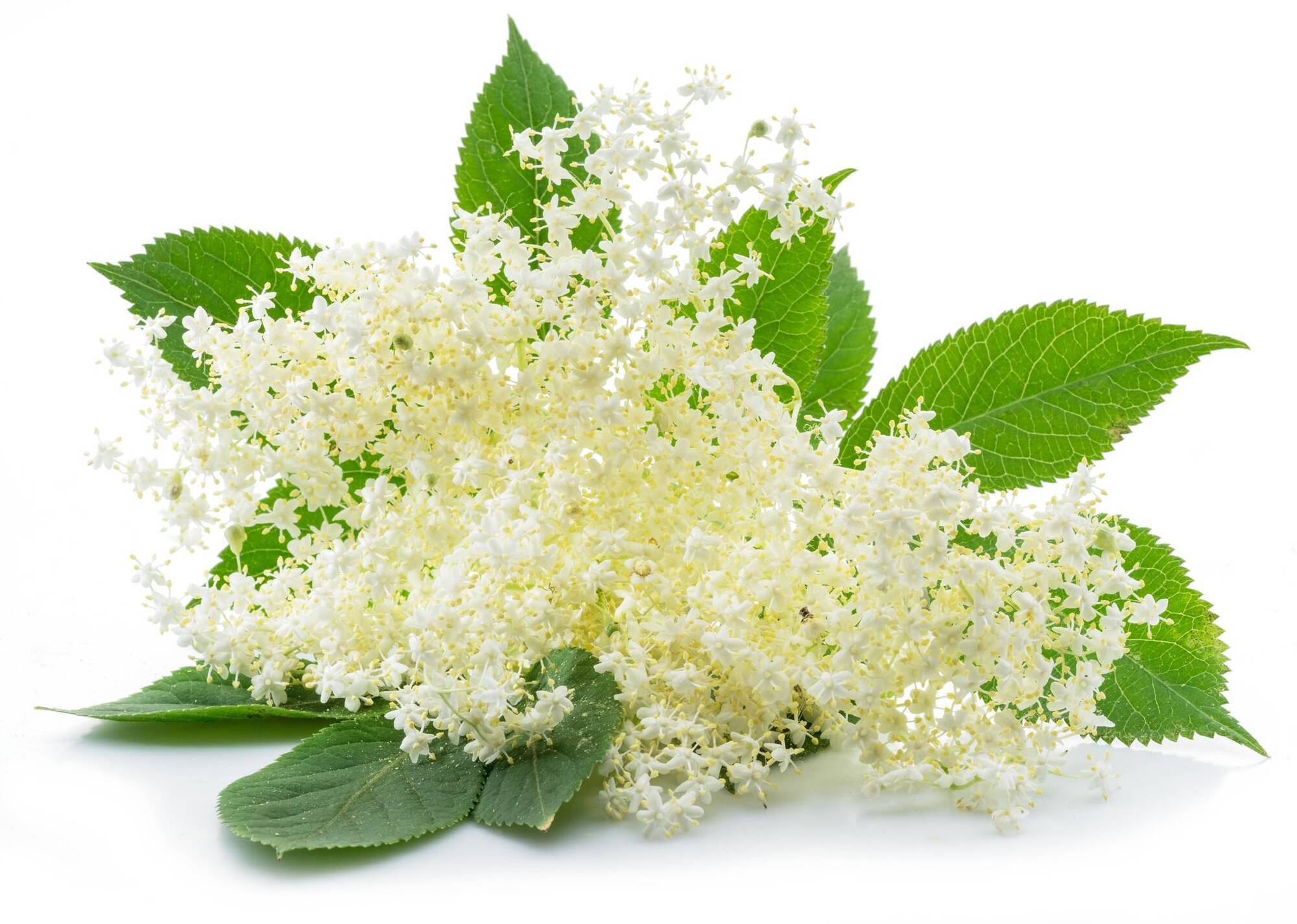
Elderflower: a natural remedy
Elderflowers (and elderberries) have a multitude of uses. The flowers have an expectorant, anti-catarrhal, anti-viral, anti-inflammatory, and diaphoretic effect as well as stimulating circulation. This means that they are an excellent home remedy for summer colds and hay fever.
You can make a simple infusion by steeping two teaspoons of fresh flowers or one teaspoon of dried flowers (if you have collected and dried them for later use) in 200ml of near-boiling water for eight to ten minutes. This same infusion can be set aside for use as a gargle or mouthwash for ulcers, irritated throat, or inflamed tonsils.
The flowers and berries can also be made into a refreshing cordial or wine. The elder tree also yields lovely dark berries in autumn. Elderberries contain vitamins A and C, and are both diaphoretic and diuretic. It is important to note that if you eat too many fresh berries they can have a laxative effect.
You can even use the leaves topically as a poultice to help with healing wounds. Elder trees (Sambucus nigra) are found throughout the world – chances are you will come across many self-seeded shrubs and trees in urban and woodland areas. They grow rapidly and can be trimmed and maintained as a bushy shrub or left to develop into a 6m tall tree (around 20 feet).
Berries are great for immune support and antioxidant boost, and the darker the berry, the better. Blackcurrants (Ribes nigrum) are another great choice for hay fever and respiratory conditions, and they are high in bioflavonoids, carotenoids, and vitamin C.
There are a great many varieties of ginsengs to choose from, with the most common being Siberian ginseng (eleutherococcus senticosus), Korean ginseng (Panax ginseng), American ginseng (Panax quinquefolium), and Tienchi ginseng (Panax notoginseng). Before you start taking ginseng, you will want to find out which type is the best fit for your needs.
Siberian ginseng is not technically a ginseng, it is an adaptogenic herb that has a more gentle supportive action and not only helps improve energy, it is also good for immune support. Another herb that is often referred to as a type of ginseng is Ashwagandha (Withania somnifera), which is an adaptogenic herb used for emotional exhaustion and overwhelm – this is sometimes referred to as Indian ginseng.
Korean ginseng is often recommended for physical exhaustion, and to boost libido. It is considered to enhance physical performance and improve endurance. This type of ginseng is warming or “yang”. American ginseng is cooling or “yin” and is more soothing and balancing for energy levels rather than stimulating like Korean ginseng.
Tienchi ginseng is considered to be neutral in Traditional Chinese Medicine (TCM). This makes it a great choice for reducing pain, inflammation, and healing the blood. This would not be your best choice for boosting your energy levels, since it has more of a tonic action.
It is important that you choose the right type of ginseng to address your specific situation. If you find yourself lacking in energy due to a sense of overwhelm and significant stress load, then you might like to try Siberian ginseng or even Ashwagandha root. If you are physically exhausted and feeling like you have absolutely run out of steam, then you might like to try Korean (Panax ginseng).
If your nerves are frayed and you are feeling out of sorts, then American ginseng might be the best choice for you, particularly if you want a more gentle increase in energy levels. This one can be a little more difficult to source and tends to be the most expensive.


CONNECT WITH US TODAY



Be the first to know the latest news and updates