Colman Noctor: The burden of being 'the good child'
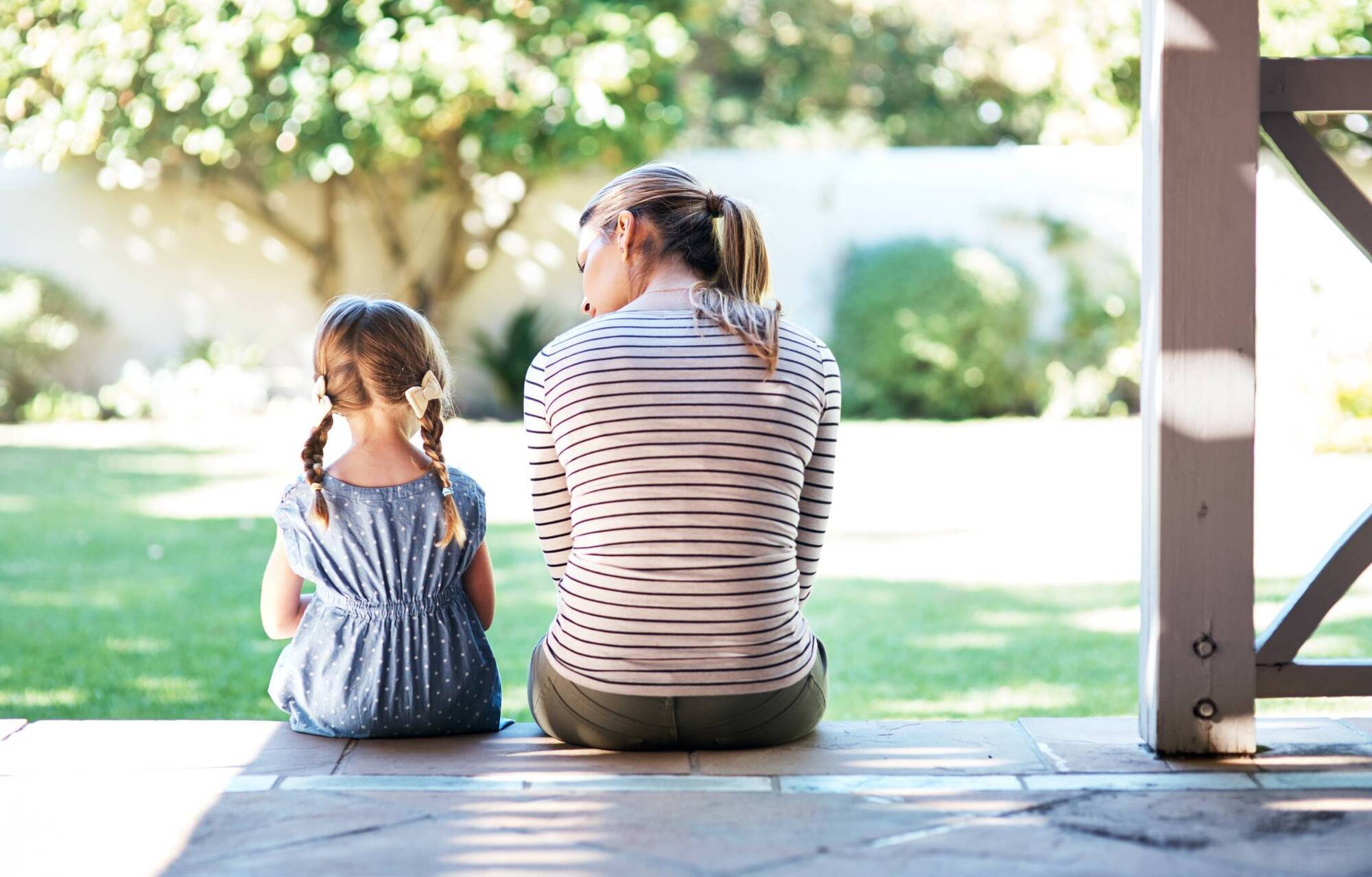
Picture: iStock
Working with children and teenagers over the past 24 years has taught me that, for the most part, there are two types of children, internalisers and externalisers. Typically, externalisers are demonstrative, wearing their heart on their sleeve, and are open about how they view different aspects of their lives. They are no strangers to slamming a door, demanding later curfews and acting out in terms of rule bending.
Internalisers, by contrast, are far less expressive. Instead, they reflect on or ruminate over their feelings in private. They rarely express their emotional discomfort or cause ‘trouble’ and are often remarkably obedient, compliant and described as 'good kids'.
One might think that the ‘internaliser’ is the ideal child, as he or she is far less demanding than the externaliser. However, from my experience as a child psychotherapist, it is often the opposite.
When sitting in on assessments of children, I frequently hear a parent describe how their child’s difficulties were ‘a bolt out of the blue’, ‘we never saw this coming’, ‘we have never had to raise our voice to her (typically female) in our lives’. Such comments give me cause for concern.
Many parents might think such a child sounds ideal, however, much like the perfect parent and the unicorn, the ‘perfect child’ does not exist. Or at least I have never encountered one.
I believe misbehaviour during childhood is an essential learning experience. Children will only know where the line is when they cross it, and so they will often test limits and their parents' patience at the same time.
Parents strive to be patient and understanding which is important but never having to raise your voice to a child suggests something is amiss. The process of individuating and developing requires negotiation, argument and voicing your opinion. Belief in your own opinion and value systems reflects a degree of self-worth, self-belief and self-value.
The majority of my clinical work focuses on treating children with eating disorders – many are internalisers. It's my view that prolonged suppression of feelings, or an inability to voice discontent, is a risk factor for mental health conditions - such as anorexia - that seem to have control at their core. When we cannot use our voice, or when we feel our expressions are not being heard, we sometimes find another way to communicate our distress.
What is also noticeable about these children is they are almost always described as independent, ‘good children’. I contest the notion that any of us are ‘good’. To use phrases like bad and good is to describe a definitive like black or white.
When I conduct a deeper understanding of these young people, I frequently notice that many of them are not always ‘good’ by choice. Instead, they feel compelled to behave in a way that is considered ‘good’, because they fear the potential consequences of being ‘bad’ or acting out. These children often see the world as binary and wish to see themselves with similar clarity. So much so that they can become disconnected from their own desire. As a consequence, they put all their efforts into being a person ‘they think the world wants them to be’, becoming more and more removed from themselves.
This can leave them lacking a sense of ‘self’ or identity, where they feel liked by others but deeply inauthentic to themselves. This vulnerability means they can be susceptible to adopting other means of communicating their distress and/or achieving a sense of control over overwhelming inexpressible feelings. These other means of communication can be food, weight and shape or obsessionality, where ‘good’ and ‘bad’ behaviours are constant preoccupations.
Eat less, move more is good. Eat more, move less is bad. The fantasy of good and bad food becomes the currency of this exchange and eating and not eating becomes the language of distress. Heaping praise on these children for their self-discipline, willpower and determination is often counterproductive, because you are essentially commending their performance and not their authentic self.
Another common feature of an internaliser is ‘perfectionism’, which I believe is one of the most misunderstood phenomenon of the contemporary world. Perfection is not driven by a desire to get it right, it is often fuelled by a fear of getting it wrong, which is very different.
Children who over-internalise emotion can go on to develop further insecure relationships with themselves, becoming even more disconnected from their own desire to the point where they begin to fear it.
It is important that we clarify the difference between being ‘good’ and being ‘compliant’. Despite the inconvenience, it is necessary for children to be non-complaint at times, especially when they need to express their more shadowy emotions, and we as parents must encourage them to express these feelings and show an openness to hearing them. Contrary to popular belief, agreeableness is not always a healthy quality.
We need to contain their anxieties and misbehaviours rather than prohibiting them and permit children to have a voice - even if it is a rebellious one - and to be careful not to over-reward obedience. Childhood disobedience is normative and necessary, and we run the risk of inadvertently encouraging children to stifle their desires by always expecting impeccable behaviour. Rather, we need to let them know that we can survive their emotional outbursts and manage them for them or with them.
Having a strop over something that does not go your way is developmentally normal and sometimes being disagreeable is a necessary part of finding your own voice. These challenges need to be understood as the child’s opportunity to communicate their emotions and have this heard, but not always agreed with. Giving a child the belief in their own value, without an air of narcissism, is the most important gift we can give our children.
So, the next time you are having an argument with your child, take solace in the fact that this is developmentally appropriate behaviour for them. These challenges are opportunities for your child to assert their perceived autonomy and to help them to work out who they are. There is a reason we take out our frustrations on ‘those who are closest to us’, it’s because we know they will continue to love us anyway. Children need that reassurance in their lives too so that they can be open and express authentically how they feel.
The way in which you as a parent respond and validate these desires will greatly influence who your child will become. Be conscious of the patterns that can emerge in the voice we use when we speak to our children. If we repeatedly criticise their felt experience - ‘don’t be silly’, ‘stop crying’, ‘you don’t mean that’ or ‘you wouldn’t be able for that’ - this in time can become the same voice that they will internalise and repeat to themselves.
CONNECT WITH US TODAY



Be the first to know the latest news and updates