One in five women experience mental health problems during pregnancy and after childbirth
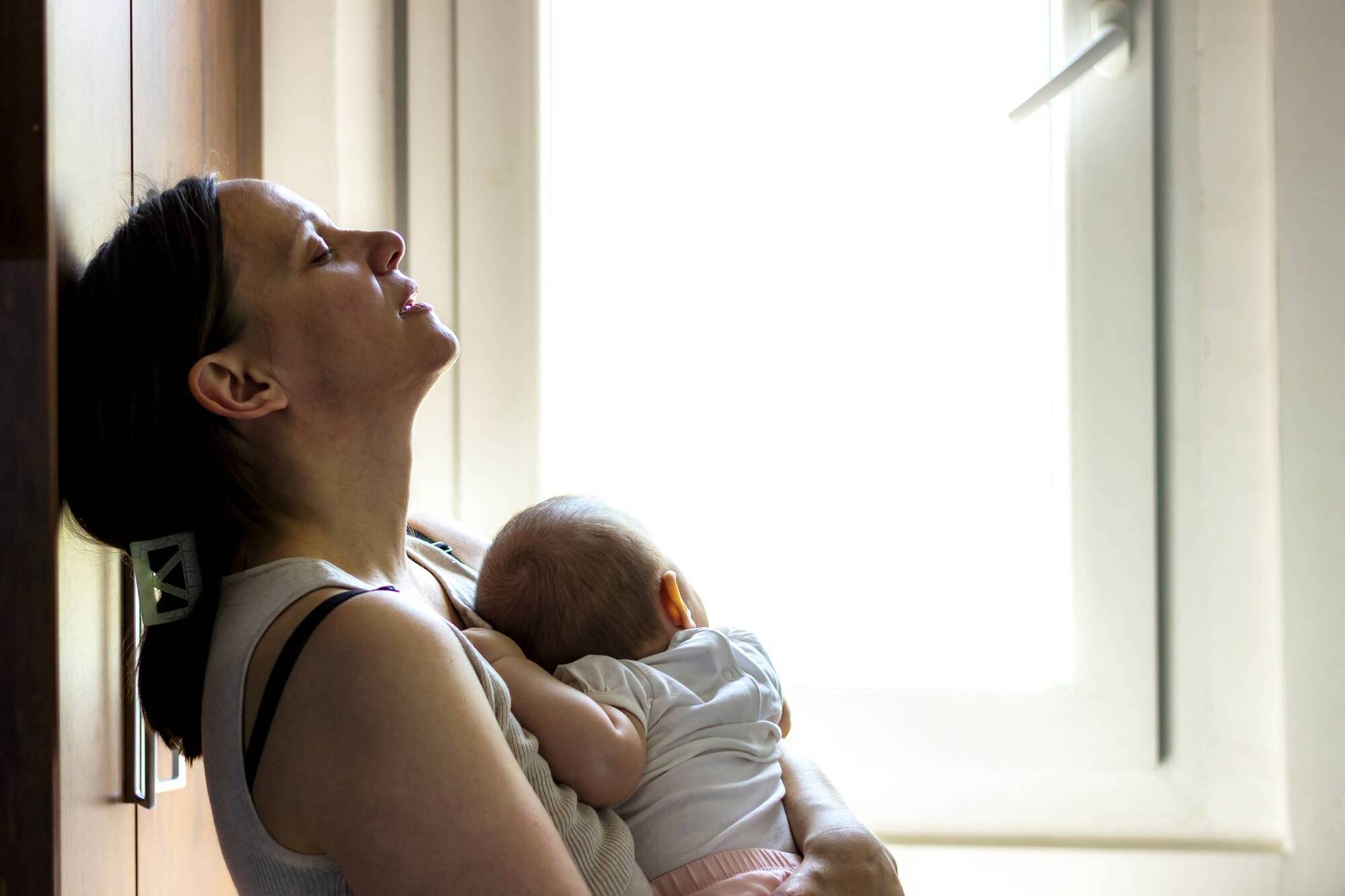
Picture: iStock
Video testimonies from three women who’ve experienced mental health issues in the perinatal period – time during pregnancy and first year after childbirth – are being shared across HSE social media channels (exa.mn/HerShoes).
The ‘Her Shoes’ initiative, launched by HSE Dublin South, Kildare and West Wicklow Community Healthcare, aims to raise awareness and reduce stigma by amplifying the voices of those who’ve lived with perinatal mental health difficulties.
“The perinatal period represents a woman’s highest risk ever in her lifetime of experiencing mental health difficulties,” says Dr Sabrina Coyle, senior clinical psychologist with the Coombe Specialist Perinatal Mental Health Team.
Outlining the factors underlying the heightened risk, she says: “Neurologically, a woman’s brain structure really changes during the perinatal period – a function of this is it becomes much more focused on everything to do with being a mother. And biologically, really complex changes are also taking place.”
Factors including whether a pregnancy’s planned/unplanned and a whole range of psycho-social elements - is the woman in a supportive relationship with her partner, or is she economically secure? - all come into the mix when the woman’s psychologically adjusting to being pregnant.
“Her experience of being loved and cared for in her own childhood becomes really important too,” says Dr Coyle, who sees “huge need” for education around women’s vulnerability to mental health issues in the perinatal period.
Dr Coyle says popular culture’s idealisation of pregnancy and birth leaves much unspoken about the difficulties this period can present.
“They desperately love their baby, but struggle with the mismatch between what they imagined having a new baby would feel like – and the challenges they’re actually experiencing.”
The guilt experienced by women means they often delay confiding in their GP, PHN or mental health midwife – and international research shows 50% of perinatal mental health issues go undetected. Dr Coyle says it’s important that women, families and communities have an open, honest conversation that can hold both perspectives: pregnancy/motherhood is joyous, yet challenging.
As many as one in five women have mental health problems in the perinatal period, so the message is: it can happen to anyone. It’s also very treatable. “Mental health difficulties at this time aren’t just about the mum, but about the potential impact on her relationship with her baby. We know if we intervene early, there’ll be a successful outcome for both,” says Dr Coyle.
Women on perinatal mental health difficulties:
“My message to women is there’s no blame or shame – don’t suffer in silence.”
“It was so uplifting that someone listened. They made me feel OK not to be OK.”
“I’m [an] extroverted introvert – seems to have it all under control but in reality I [was] despairing and anxious. [Someone said] when a baby’s born, a mother is too. We’re all taking it a day at a time. Sometimes the picture-perfect view belies our own fragile mental health.”

CONNECT WITH US TODAY



Be the first to know the latest news and updates