Get back on track: eating your way back to vitality
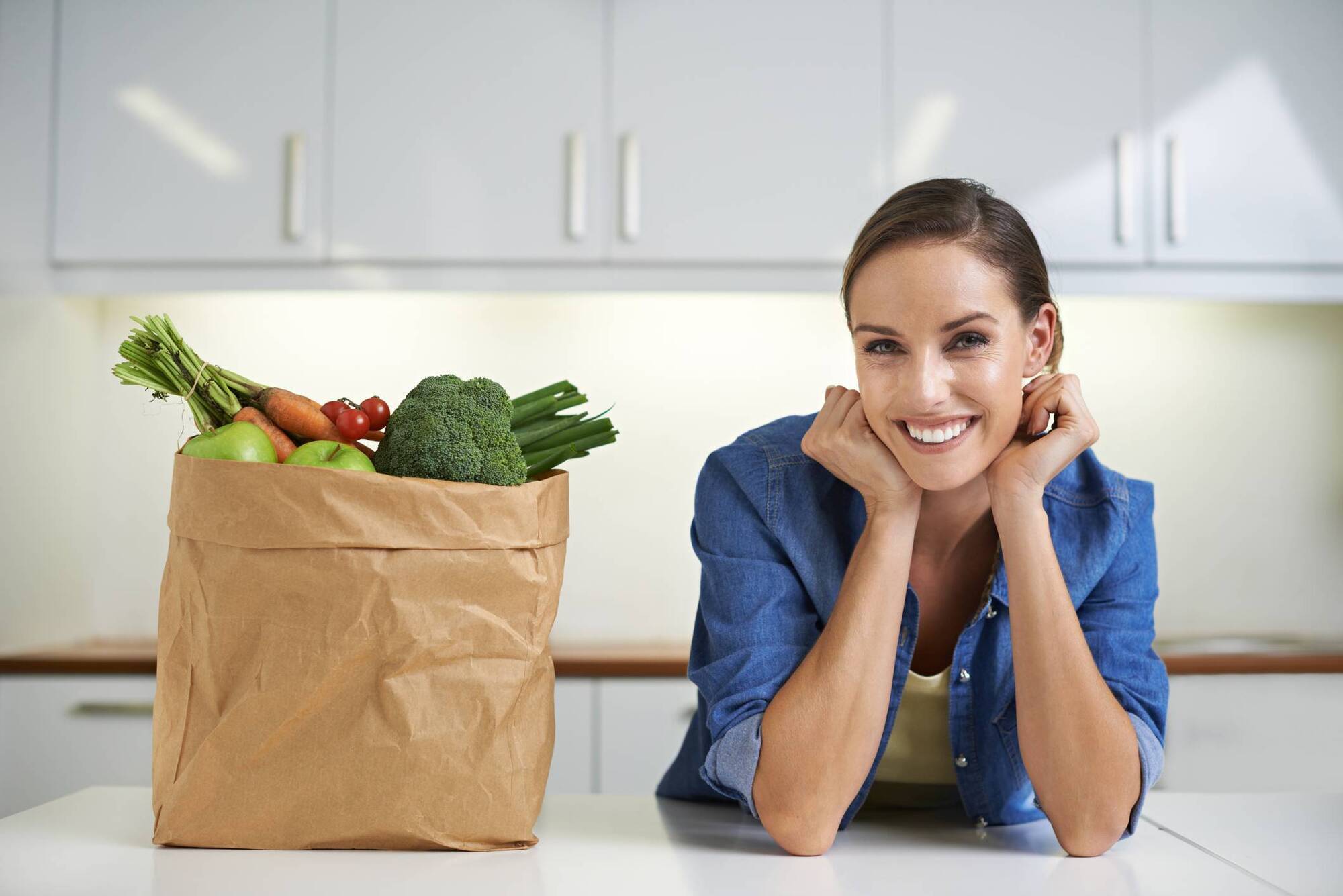
The lockdown detox: won’t leave you hungry but will leave you with more energy.
Lockdown has left many of us in a conundrum – we know we have let good diet habits slip and yet are also more aware than ever of the importance of eating well for overall health. With the promise of normal life looming in the not too distant future, what are the steps we can take to get back on track as soon as possible?
The solution is the doable detox. A far cry from the restrictive cabbage soup, lemon water and juice detox plans that were so popular - but so hard to stick to - in the 1990s and early 2000s, it is also more effective at rebooting your wellbeing.
The promise is the lockdown detox won’t leave you hungry but will leave you with more energy. And while the notion that we can cleanse the body of toxins through what we eat and drink has no scientific basis, the new style detox plan will work because it is packed with fresh, nutrient-dense foods that won’t strain your digestive system and leave you feeling sluggish.
Follow these rules for two weeks and you’re likely to drop a few pounds in weight and gain new healthy eating habits. You will feel – and look – all the better for it.
After an overnight fast, the body is dehydrated. “I always rehydrate with a glass of water first thing,” says Lily Simpson, co-author of the , whose clients include Gwyneth Paltrow, Suki Waterhouse and Agyness Deyn. “Then over the course of a day try to consume 2-3 litres of fluid, some of it water but also consider black and herbal teas.”
Operation Transformation dietitian Aoife Hearne says staying hydrated throughout the day is essential for health – just don’t overdo it. “At least half of our body is made up of water so we want to maintain that balance in our body,” she says. “But I think some people are actually drinking too much which is not good either – little and often throughout the day is best.”
If your eating has gone haywire over the last few months, you need to re-establish a good routine. It doesn’t really matter when you eat them, says the dietician Aveen Bannon, a dietitian at the Dublin Nutrition Centre “For most of us it works to eat 3-4 hourly to help maintain energy levels, Bannon says. “If you eat enough nutritious, filling foods during the day you are less likely to crave sugary foods later.”
Getting to know what best suits your own body in terms of meal timings is important, says Hearne, who is based in Waterford. For some people that might mean creating an ‘eating window’ such as the 16:8 approach which advocates sticking to eating within an eight-hour time frame, but for others it might mean the standard breakfast, dinner and lunch.
“I think eating in response to your own internal hunger and fullness is the best approach,” Hearne says. “Getting to know your own appetite swings is a good place to start as this can seem like a foreign concept for many.”
Fibre will fill you up and leave you less inclined to raid the biscuit tin, says Hearne. The bulking effects of fibre in the colon help to regulate appetite by making you feel full, but fibre has specific fat-fighting abilities and it is thought that chronic gut inflammation caused by a low-fibre diet interferes with the way we use calories from food, prompting our bodies to store more excess calories as fat.
In a 2017 paper published in the , Tim Spector, professor of genetic epidemiology at King’s College London, found that long-term weight problems are only in part determined by an individual’s genetic make-up and that “low gut microbiome diversity is associated with a higher weight gain over time”.
Still, most of us don’t get enough fibre in our diets. We can ramp up our intake by eating more wholegrains, nuts and seeds, as well as dark rye crispbread (15.8g fibre per 100g), broad beans (6.8g fibre per 100g), green peas (4.2g fibre per 100g) and seeded wholemeal bread (6.2g fibre per 100g).
Simpson says her glamorous clients eat two healthy grains “to provide a balance of nutrients and plenty of fibre” every lunchtime. She suggests added butterbeans and pulses, rice, quinoa and as wide a range of pulses as possible. It could pay off: in the , researchers showed that increasing fibre intake was the strongest predictor of weight loss, with 4g of extra fibre consumed daily being associated with an extra 3.25kg of weight loss over six months.
Not everyone likes to eat first thing but consider your first meal of the day – whether that’s at 7am or 11am – to be breakfast. It should be something that is not going to adversely affect your blood sugar – you want a meal that is going to sustain you and maintain glycogen at a constant level until you next eat. So processed cereals, white bread and croissants are out.
“Porridge with fruit, or other wholegrain cereals can work well,” says Hearne. “Likewise, eggs with some wholegrain toast and some veggies such as tomatoes and spinach can be a good option.”
Cutting out meat is not essential – “we encourage people to limit red meat to two or three times a week,” says Hearne - but replacing it with other protein options such as tofu, chicken, turkey, prawns or cheese adds variety to your protein sources.
Eating vegetarian or vegan once or twice a week is a good option. “Adopting a more flexitarian way of eating can help to increase your intake of plant-based foods,” Bannon says. “You can do this either by reducing the frequency with which you eat meat each week or by supplementing some of the meat with beans, lentils or pulses. Tofu, tempeh and quorn are great examples of healthy plant-based proteins for weekday meals.”
There is no need to stop snacking, especially if you are someone who is more of a grazer. Just make sure they are the right kind of snacks and that you have them on standby should you need a nibble.
“Always ask yourself if your snack contains protein and fibre or either of these,” says Bannon. “Fresh fruit will offer fibre, yogurt will offer protein, nuts will offer both. Think more of what it can give the body as opposed to obsessing about calories or sugar.”
Hearne recommends vegetable crudites with hummus, wholegrain crackers and some cheese or dried fruit and nuts. “When it comes to snacks, the key thing is to include them as part of your normal eating schedule rather than relying on them only when you are really hungry,” she says.
Coffee and tea are packed with healthy polyphenols and antioxidants - a study in the found that coffee had higher antioxidant levels than red grapes, plums, raspberries, cherries and some types of blueberry - and will also count towards your daily fluid intake.
It's best not to drink black coffee first thing on waking up, however, as it could hamper blood sugar control, causing a 50% spike in your blood glucose response to breakfast, reported a study published in the in June. That might leave you feeling peckish later on.
“Put simply, our blood sugar control is impaired when the first thing our bodies come into contact with is coffee especially after a night of disrupted sleep,” says Prof James Betts, co-director of the Centre for Nutrition, Exercise and Metabolism at the University of Bath. “It might be better to eat first and then drink coffee later.”
It's the caffeine it contains that can be problematic for some people who consume more than four to five cups a day – it might leave you jittery – so set yourself an upper limit.
“Ultimately, drink what you enjoy,” Bannon says. “Don’t get caught into having something because you ‘heard’ it's good for you even though you dislike it.”
With seven calories in every gram of pure alcohol, it is easy to rack up a considerable number on a night out (or rather, in). Last year, a large study involving 14m men and 12m women, presented at the virtual European and International Congress on Obesity, warned that a daily tipple can pave the way to significant weight gain.
Men who drank half a glass of wine a day or a quarter of a pint of beer a day were found to be 10% more prone to obesity. Drinking more than that (one or two glasses of wine or up to a pint of beer) was associated with as much as a 25% greater likelihood of obesity compared with men who never drink.
Among women, while an occasional drink offered some protection against metabolic syndrome, half a glass of wine a day still raised the odds of obesity by 9%, two glasses of vino by 22%.
In short, we probably all need to cut down. “Many of us have fallen into the habit of drinking a little more often over lockdown,” Hearne says. “So the best way to start is by instilling some alcohol-free days.”
Cutting out alcohol completely for a couple of weeks is a good kickstart. “As a realistic long-term goal we should ideally be aiming for three to four alcohol-free nights each week,” Bannon says.
If you indulge in an occasional drink at the weekends, avoid cocktails and sugary and creamy mixers. Opt instead for a glass of red wine, renowned for its beneficial polyphenol content – and don’t kid yourself that you can have more without it heading to your waistline.
CONNECT WITH US TODAY



Be the first to know the latest news and updates