Richard Hogan: I'll never forget my first experience of prejudice - I was wearing my Irish jersey
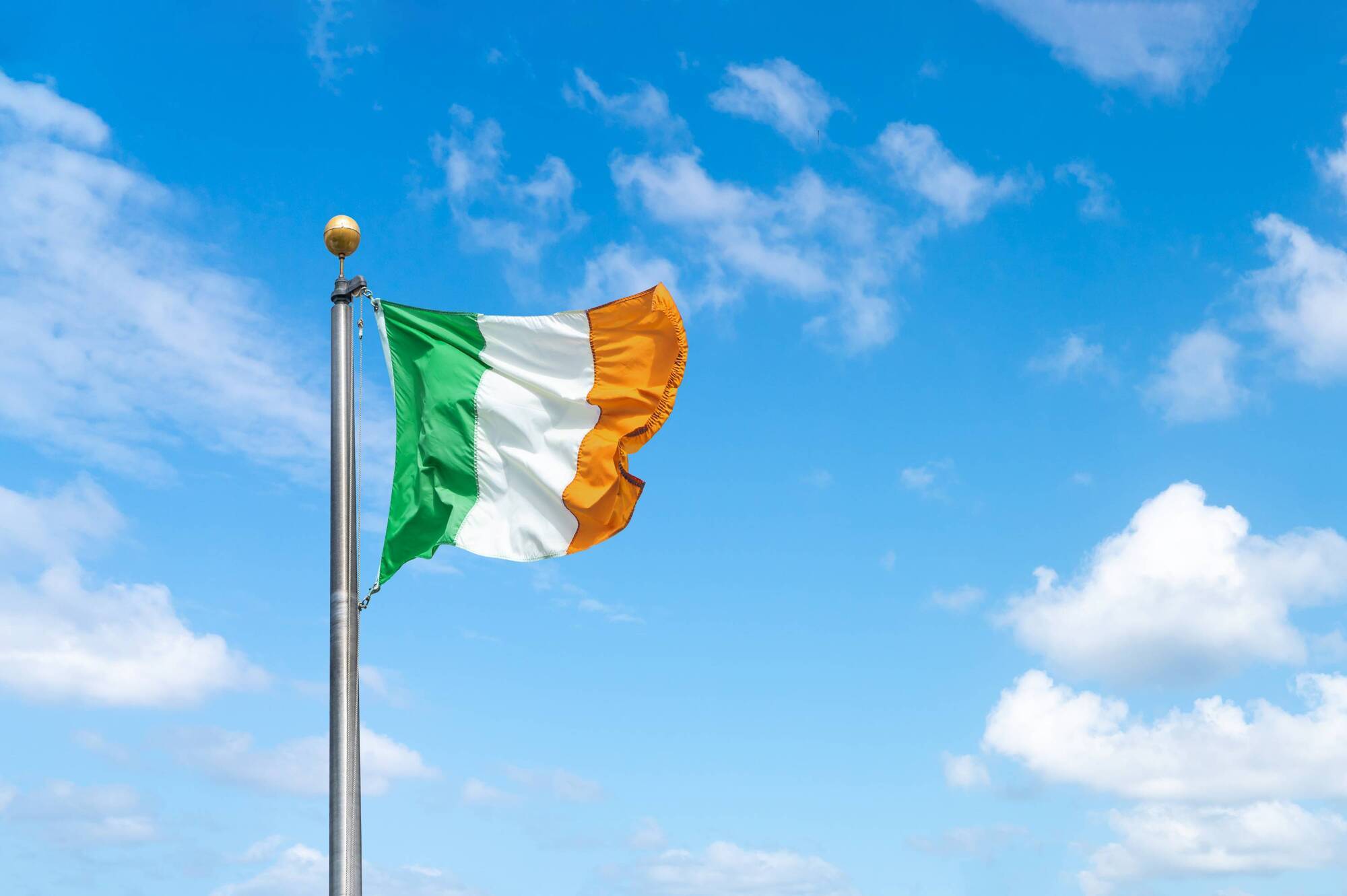
The tricolour is returning to its original meaning thanks to incredible moments like the peace process but also to the hard work of organisations like the ‘Thomas Meagher Foundation’.
I was ten years old when I first experienced the concept of prejudice. We were on our annual holiday to France. On the first day at the beach I made friends with a kid from Northern Ireland. It was during ‘Euro 88’. Ray Houghton had recently sent the nation into delirium by sticking the ball in the English net.
Later that evening, Ireland were set to play Russia. I still remember the excitement of getting ready to watch the match. There was a kind of optimism in the air I hadn’t experienced before about being Irish. A sense that we can achieve things. like most of the country, I was sporting my tricolour t-shirt for the occasion.
The next morning when I spotted my new friend, I ran over to chat with him but I was met by silence. His head stayed digging in his sandcastle. His father told me, in words I couldn’t really understand, to go back and play with my own kind.
Later, his son explained it was because they had seen me wear the tricolour t-shirt the previous evening. I wasn’t a naïve kid, I grew up watching the news. My summers were always punctuated with sash and bowler blazing in my mind.
But I found it hard to comprehend why I had been rejected on the grounds of what I thought was a cool t-shirt. When I told my parents about the experience they explained that the tricolour was actually designed to reflect harmony between north and south. Orange representing the north, green representing the south and white for peace between those two. I was confused. Obviously, years of sectarianism had transmuted both colours into something else. Something dangerous. And that is what I experienced all those years ago.
Thankfully, the tricolour is returning to its original meaning. Thanks to incredible moments like the peace process but also to the hard work of organisations like the ‘Thomas Meagher Foundation’. On the 16th of March we will celebrate ‘Flag Day’.
Flags will be raised throughout schools on this island to celebrate the true meaning of the Irish flag, inclusion. When children feel excluded or differentiated it has a deleterious impact on their mental health. So the flag representing inclusion is important for wellbeing.
The vision of the Thomas Meagher Foundation is to ‘see the young people of Ireland, irrespective of ethnicity, creed or gender, work together under the Irish tricolour to proclaim and live its message of peace and unity’. As a clinician, working with teenagers, that is an important message to get out there. I have worked with many teenagers over the years who were adopted from orphanages in eastern European countries. They often spoke about their sense of difference but also their pride in being Irish. So, the flag coming to represent all, not just Irish north and south but all, is an important and significant part of developing a country that is healthy and inclusive of diversity.
I was fortunate to speak to one of the great heroes of that ‘Euro 88’ campaign this week about ‘Flag Day,’ Packie Bonner. He is a trustee of the foundation. I asked him why did he feel ‘Flag Day’ was important for children today. ‘When I grew my family home was a B&B so I was surrounded by diversity and different people coming and going all day, it was great. Children need to know the message of the flag, reconciliation and inclusion.’
Packie is incredibly passionate about the flag and its meaning of inclusion. He explained that when he was a player ‘the flag was very important to us, it was prominent in my life and it’s great to be able to give something back to it, to help its true message be heard’. So for Packie, in modern terms, the flag has come to represent all of us under it.
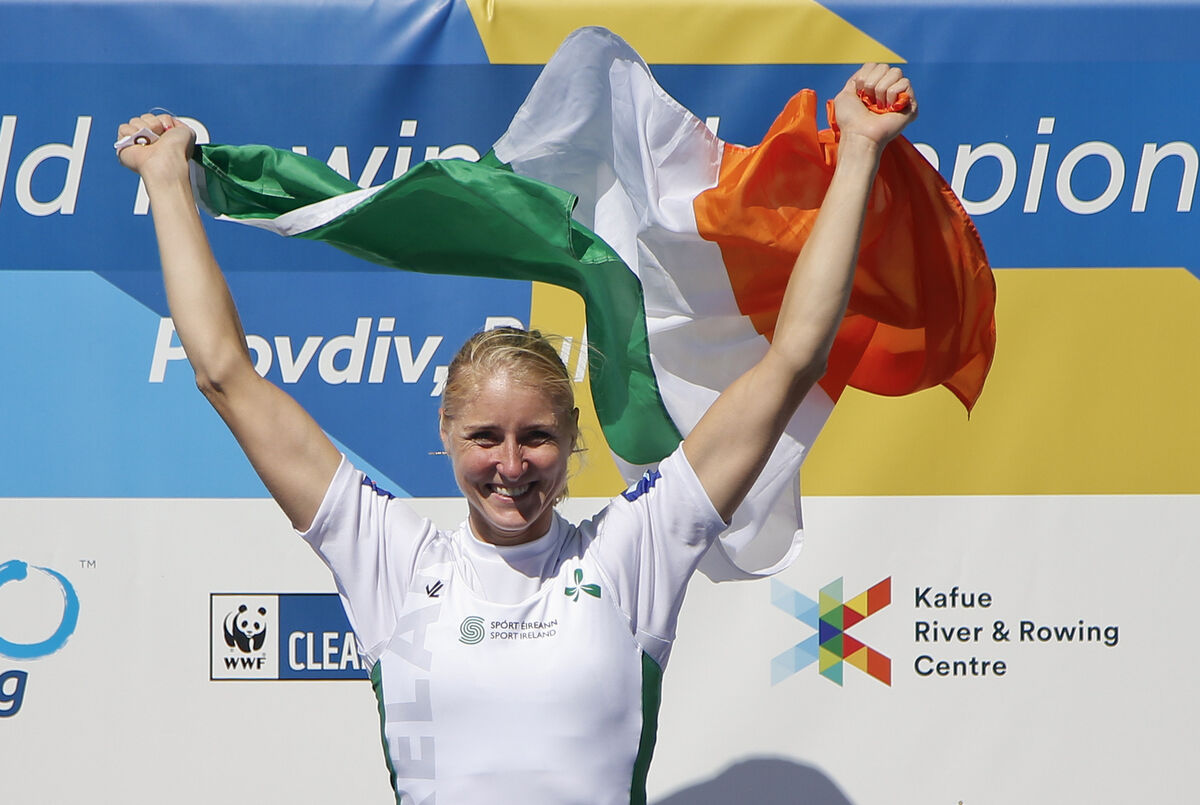
I also spoke with Latvian-born world champion rower and two time Olympian Sanita Puspure who has raised the Irish flag in celebration on many occasions. She is representing Ireland in Tokyo 2021. Sanita, perhaps more than most, represents the modern meaning of the flag. She explained, ‘so many families come into Ireland and we can all be proud of the flag, because it includes all of us’. A beautiful sentiment, that should make us all proud of the flag.
I grew up in an Ireland where to quote one of the greatest protest songs ever written, ‘we sacrifice(d) our children to feed the worn-out dreams of yesterday’.
Thankfully, all of that carnage is rearview mirror. We can now look towards the future with great pride and optimism as our flag, the green white and orange stands for all of us irrespective of gender, colour, ethnicity, or creed.

CONNECT WITH US TODAY



Be the first to know the latest news and updates