Knowledge is power when it comes to helping children with epilepsy
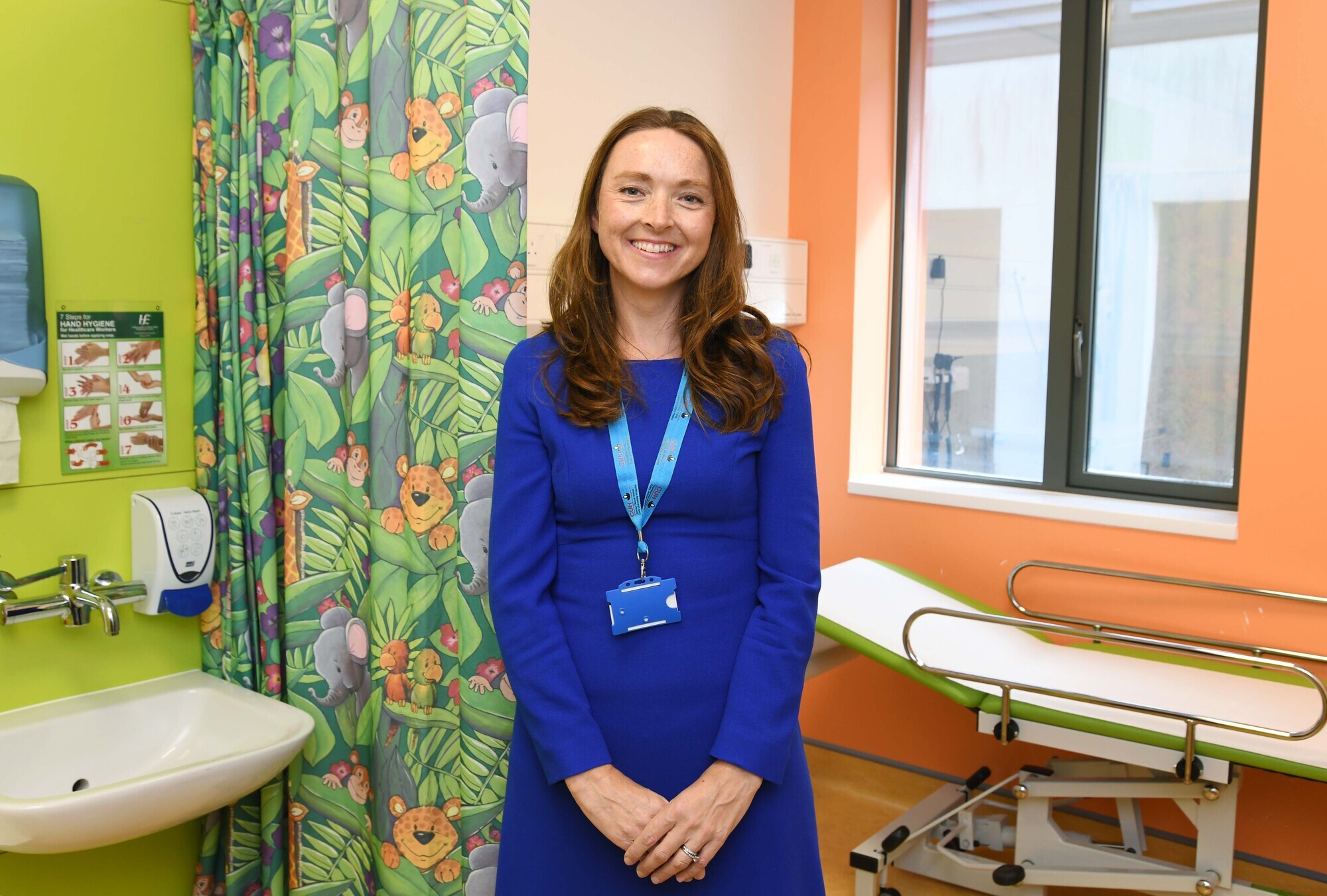
Dr Niamh McSweeney, consultant paediatric neurologist, Cork University Hospital, advises any parents whose child has been diagnosed with epilepsy to stay in close contact with the epilepsy nurses. Picture: Denis Minihane.
The date of her daughter’s first epileptic seizure, 27 February 2017, is a day Helen McLoughlin will never forget—even though Grace, now 16, had already been diagnosed with epilepsy some years previously.
“From the age of five or six I would notice her beginning to stare a lot—it’s called focal absences—but I didn’t know what it was then. I used to call her to attention and thought it was just like any normal child daydreaming,” explains Helen.
Eventually, a teacher who had some previous experience with an epileptic student, called Helen and gently suggested that she take Grace to the doctor to investigate what, to the casual observer, may have just seemed to be difficulty concentrating and tuning out in class.
These absences are a common feature of epilepsy in children—epilepsy can take many forms and doesn’t necessarily show up in the form of a dramatic seizure. “The commonest seizure type that people would be aware of is a generalised tonic-clonic seizure—or what used to be called a grand mal seizure,” explains Dr Niamh McSweeney, paediatric neurologist at CUH. Other symptoms can include posturing (an unusual position of the limbs) or prolonged jerking of the limbs.
“Behavioural arrest—where the child goes blank mid-activity or mid-conversation, loses their facial expression, and then may return to themselves, that’s a typical absence. There are lots of epilepsy syndromes, but in fact, someone presenting with a seizure doesn’t necessarily have epilepsy. It’s up to us to actually define what the seizure is.”
Grace’s epilepsy, which began as absences, where she seemed to zone out, later changed and manifested as seizures when she entered her teens. It had already impacted her life, putting a halt to her swim training at the pool. She did, however, keep up as much activity as she could, and enjoyed participating in athletics and music lessons (where, intriguingly, she sometimes continued playing even as she went into an absence).
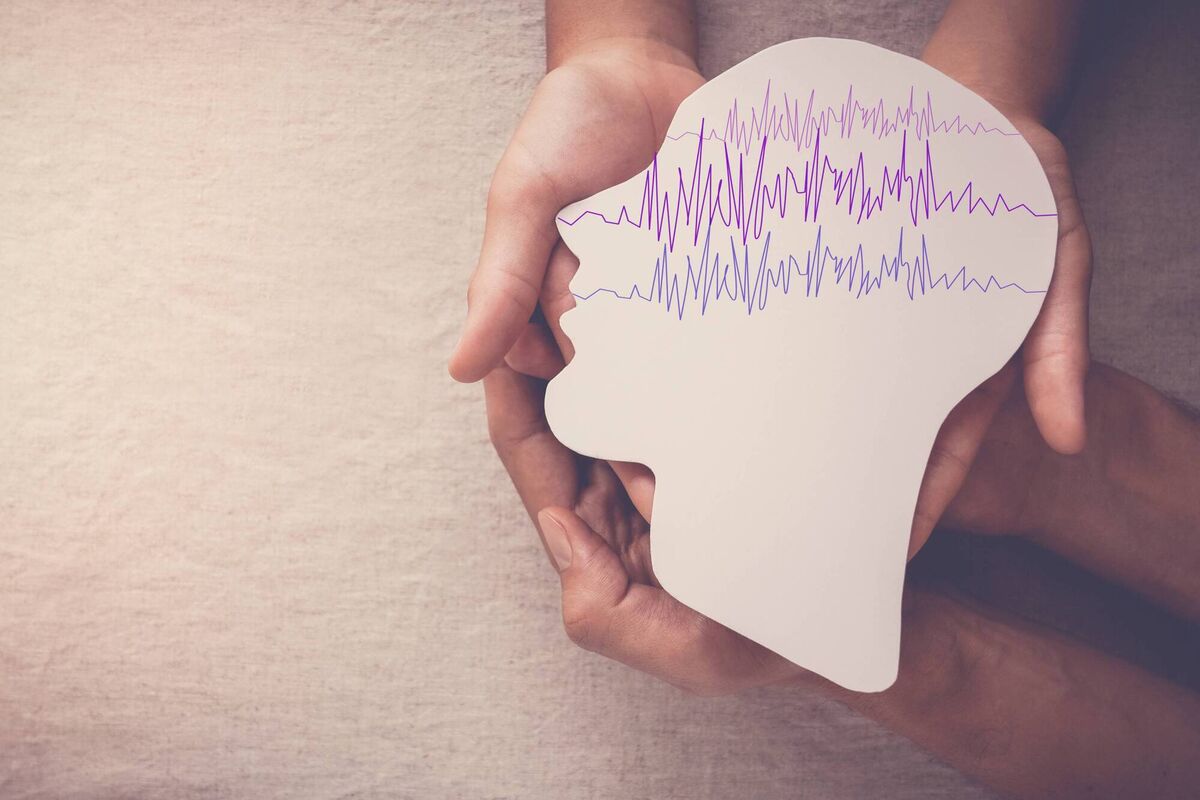
“I was amazed at how people said they could handle it,” says Helen. “We spoke to her running coach and he was very good to encourage her to do what she could and to keep an eye on her.” The day the seizure came on Helen was at work and Grace was at home with her elder brothers.
Sitting at the kitchen table, her brother Cathal was encouraging her to drink up her orange juice so they could go out in the fresh air, when all of a sudden the juice from the glass in her hand was flying everywhere.
“Luckily, in transition year he had done first aid and even though he had never done it before, it clicked in straight away—off the chair, into the recovery position, he supported her head with a cushion and called her other brother Alan to phone the ambulance and phone me,” recalls Helen.
While Grace’s brother did everything right, Dr McSweeney adds some more advice to anyone who witnesses a child going into seizure: Try not to panic, and if you can, video the seizure and time it. “We have a rapid access telephone clinic to triage those episodes. We get parents to send us in a video and that has really helped the diagnostic process.
“In the panic of a seizure it might be difficult to remember what happened or what the child was doing beforehand. If we can, we get a pre-episode account,” adds Dr McSweeney.
All the information they can gather helps the neurologist define if it is indeed epilepsy, what epilepsy syndrome it is, and what the cause of it is. “There are lots of genetic causes and over the years the role of genetics has really expanded,” notes Dr McSweeney.
“In the beginning, we were doing single-gene testing and now, for example, there are 134 genes on the severe infantile epilepsy panel, that we can test for. The field is expanding all the time and that’s going to be really important in terms of precision medicine whereby we treat on the basis of the genetic condition.
Of course, there isn’t a genetic basis for every epilepsy.” For the next year or so, every morning Helen would watch Grace heading off for school hoping she wouldn’t have a seizure that day.
“It was very difficult for her having seizures in school; she only told me this afterwards. Grace wrote an essay on her personal experiences and what she could remember about the anxiety of going into school every morning.”
It is hard enough under normal circumstances to be a teenager, adjusting to a big new secondary school and making new friends, but Grace also had to deal with the lack of autonomy that the seizures brought—not being able to have a shower or wash her hair on her own for example, and struggling to catch up on lessons when she missed class.
The school worked with Helen to put a system in place for when Grace had a seizure, and allowed that she didn’t have to have her homework done that night. “It wipes you out so much, she would need to sleep for three or four hours afterwards. She wasn’t able to function really after having a seizure. That was huge for Grace, it really relieved that pressure.”
Luckily, under Dr McSweeney’s care at CUH, Grace began to respond to treatment and has now been seizure-free for over two years. “The majority of children do really well,” says Dr McSweeney.
“More than 70% are pharmaco-responsive and became seizure-free and lead a normal fulfilling life.
Helen recalls that nothing prepared them for the journey they went on, but praises Grace for coping: “She went along with it, she knew that’s what we had to do, until we got her up and running. That was it, she didn’t have a choice in the matter.”
Now at an age where she’ll want to have a social life and go to discos, Grace’s mother jokes, “COVID hit just in time!”
“We spoke to the epilepsy nurse about Grace moving forward. Obviously, if she’s at discos she has to be careful of lights. She’s already had to be very careful of being on iPads and phones too much. What she has to do now is to learn to live her life alongside epilepsy and forget about the stigma of it.”
Helen advises any parents whose child has been diagnosed with epilepsy to stay in close contact with the epilepsy nurses: “They were absolutely fantastic—they were so supportive to me when we were trying to educate ourselves around epilepsy. We were all struggling with it and they were my angels. It was great to have them on the end of the phone.”


CONNECT WITH US TODAY



Be the first to know the latest news and updates