How to buy toys that will last a lifetime for a child this Christmas
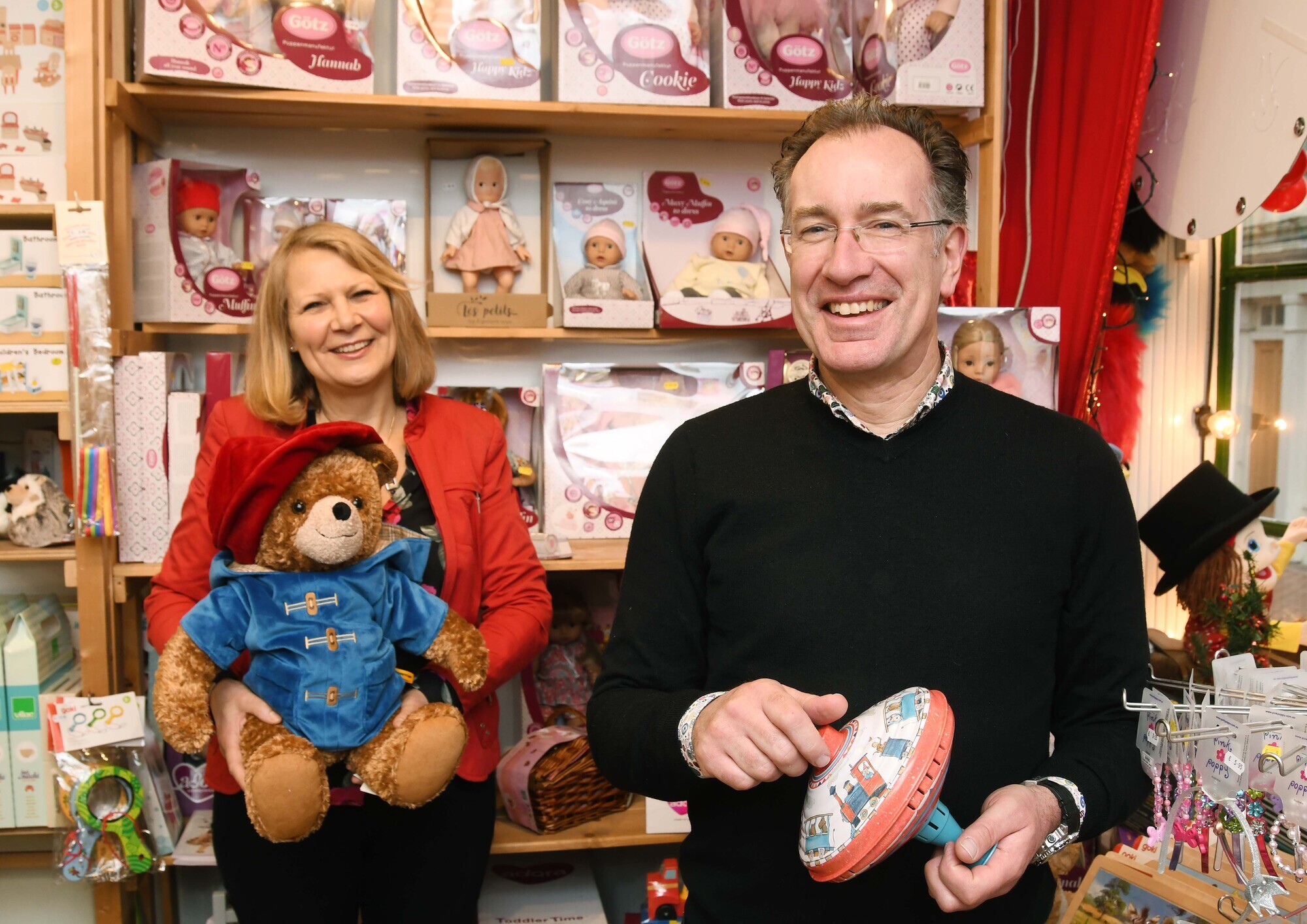
SPIN IT AGAIN: Wyon and Christel Stansfeld, owners, Pinocchio's Toys & Gifts, Paul St., Cork, with a traditional spinning top and Paddington Bear, two long-term favourites. Picture: Denis Minihane
“TOYS will teach children so much, and they learn so much from them if you give them the right toy — but you have to give them the right toy,” says Tony Duffy of Duffy’s Toyworld in Dunleer, Co Louth.
Children and their parents will be thinking a lot about toys this evening as the hits our screens. In a year when many of our usual traditions were abandoned, Ryan Tubridy’s annual extravaganza is being anticipated even more eagerly than usual.
A lot of children may have already written their letters to Santa, while some may be waiting for inspiration from tonight’s show. Either way, parents want to make sure that whatever is in Santa’s sack for their child will be enjoyed long after the last mince pie has been eaten.
Argos’ predictions for Christmas 2020 include a LEGO Lamborghini, a flamingo that poos, a dancing unicorn, and a Baby Yoda doll, while Smyth’s anticipated top buys include toys from PAW Patrol, Pokémon, and L.O.L. Surprise!, along with new releases from classic brands such as Monopoly, Barbie, WWE, and LEGO.
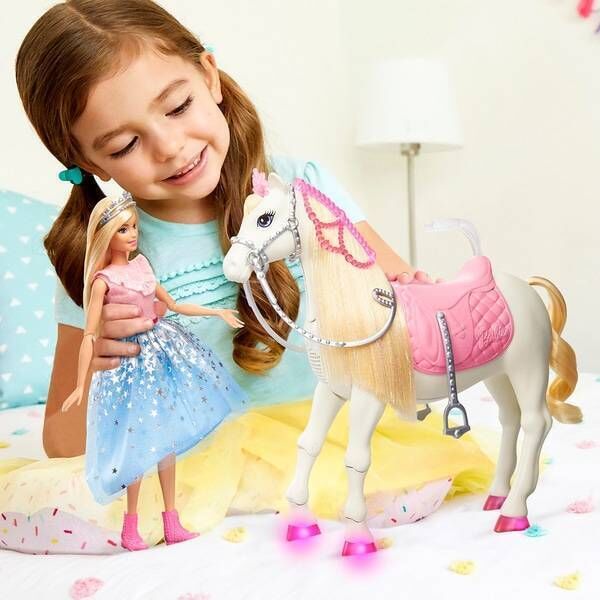
A decade or two ago, it was all about Bratz dolls, Zhu Zhu pets, Bob the Builder toys, and Zoobles.
Wyon Stansfield of Cork’s Pinocchio Toys says that “it’s very hard to judge why something becomes trendy. Obviously, nowadays, it’s a lot to do with the amount of money that is thrown at it. A normal trend toy lasts usually around the six-month mark, and then it tends to disappear. You get the occasional one, like Beanie Babies, that last a year and a half, but that’s very unusual.”
So when parents are making their list and checking it twice, how can they ensure that they are buying the right toy for their child?
In the 1940s, toy kitchens were on our Christmas lists. Play-Doh appeared in the 1950s. In the next decade, Barbie got her boyfriend Ken, as GI Joe also made an appearance. In the 1970s, the Rubik's Cube, Action Man, and Connect Four arrived. Cabbage Patch Dolls and Care Bears were symbols of the 1980s, followed by Gameboys and Furbies a decade later.
For Tony Duffy, who has been working in the family business for 55 years, says that the best toys are those that stimulate a child’s imagination, creativity, and development. “Every time the child plays with it, it’s a different toy,” he says.
He has no time for fads because he believes that there is no play value in them for children. “A lot of the stuff that you see on television is probably in the bin by the first week in January.”
Katherine Staunton of Nimble Fingers toy shop in Dublin agrees with Tony about the importance of play value. She says that “the craze for fidget spinners was probably the most recent fad and they didn’t last a week because there wasn’t much play value in them.”
Nimble Fingers, which has been open since 1962, is a family-run business and Katherine is following in her father’s footsteps as a toy seller.
It was a great success, and the next year presenter Gay Byrne dedicated a full show to toys, and became an annual institution for the children of Ireland (and their parents).
Katherine says that if a toy has a good value, it will survive, pointing to Barbie dolls, which were launched in 1959. “Kids can spend hours playing with them and imagining a whole world. That will always stand the test of time.”
Wyon says that he and his wife Christel have steered away from “anything that could be loosely described as trendy” since opening their shop in 1983, but from their point of view, wooden trains, dolls houses and kitchens and their accessories are perennial favourites.
He thinks that this is because they have longevity. "The use of them changes, and yet it’s ostensibly the same thing. They can grow with the child and you get continuous play with something like that compared with some kind of Hot Wheels thing that spins around in a circle. Once it’s done its thing, they’ve had their bit of fun with it, that’s it, it’s finished, there’s nothing else they can do with it.”
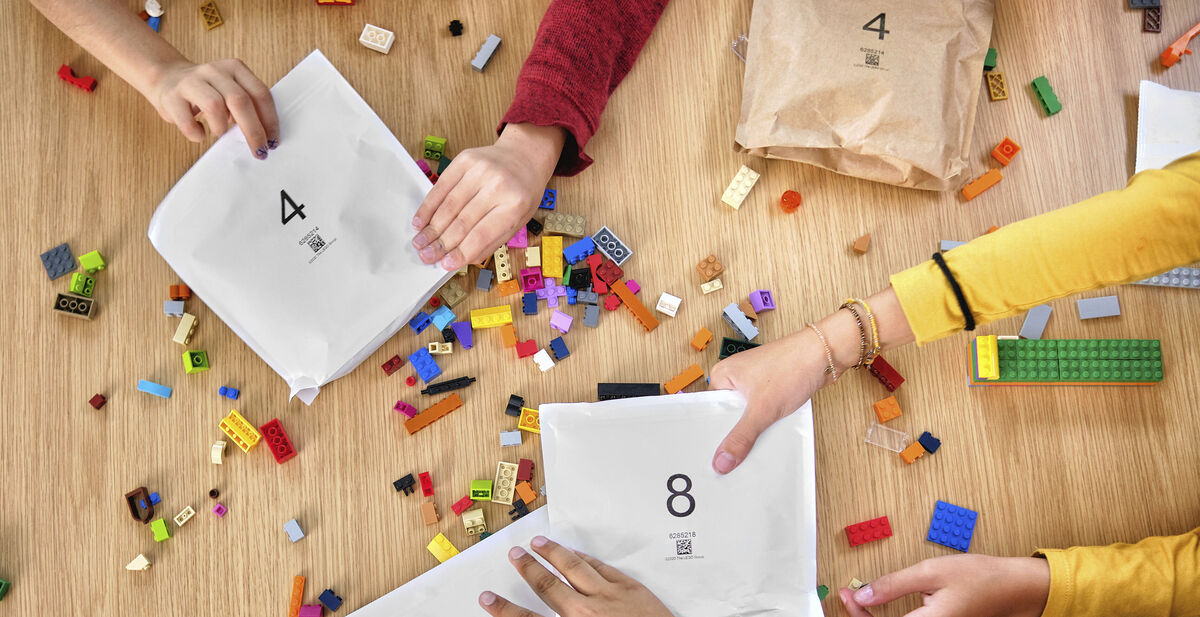
The first LEGO brick was produced in 1949 and Katherine believes that it is the best toy around. “It’s amazing to watch kids play with it. They’re like little architects and it’s great to watch that creativity. Any of our staff here who are good at DIY played with LEGO as children.”
Katherine says toys such as Jack in the Box and spinning tops which teach children motor skills, and marbles will always be popular toys, while Wyon adds that they are selling a lot of abacuses “because it’s still the best way to teach a child to count”.
Playmobil and Sylvanian Families are great for role play, says Tony. The animal-family range has been a great seller for him for 30 years.
“People are steadily getting more conscious about the origins of toys,” says Wyon. “They’re definitely getting more conscious about the kind of eco-value of a particular toy and whether it’s educational or not."
But while you might want to invest in a timeless toy, your child may have different ideas. “We say to parents that if you’ve got a five-year-old, you can pretty much still buy what you would like him to play with," says Wyon. "Once they get to seven or eight, that becomes more difficult.”
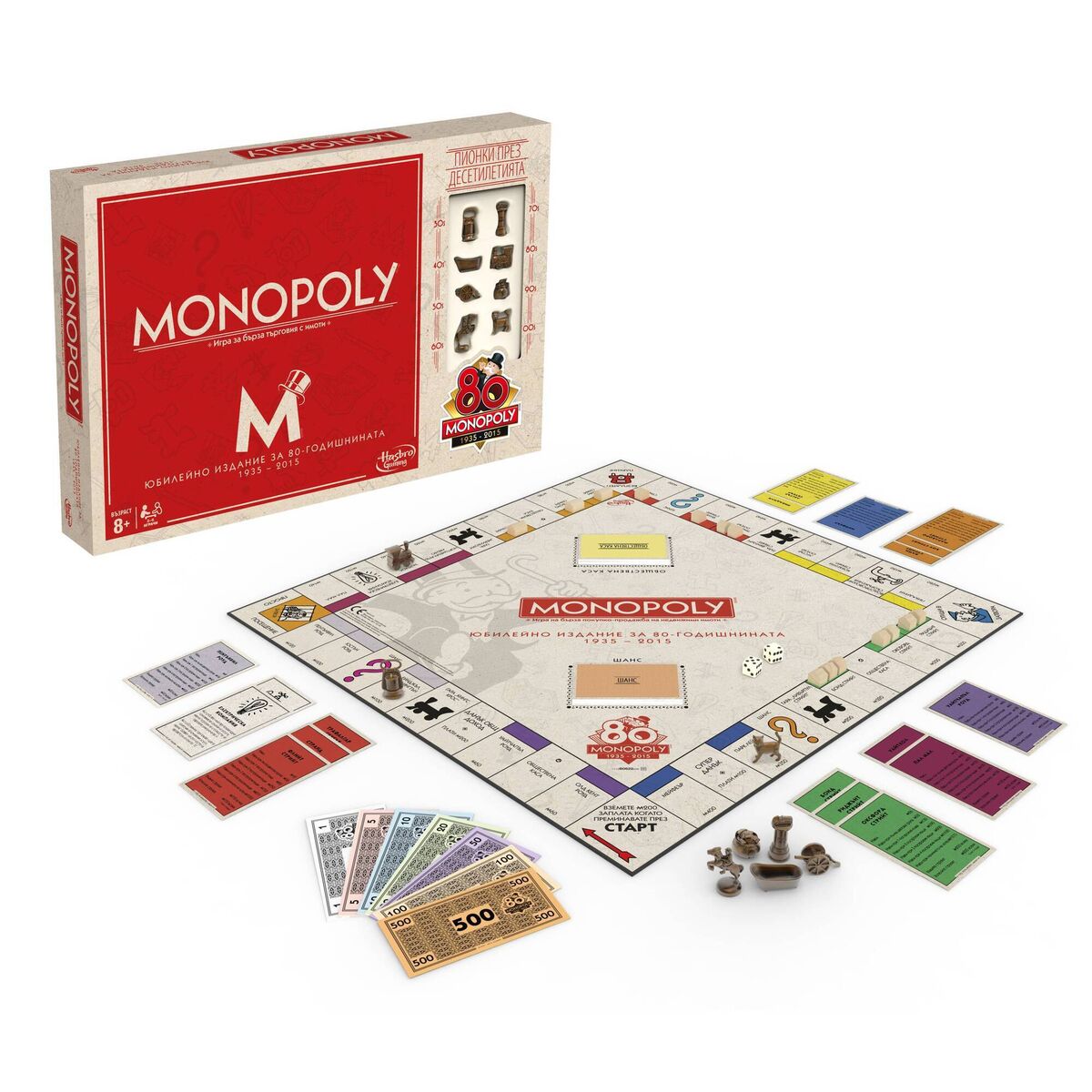
Katherine says that her customers have gone “back to basics, we’re selling a lot of traditional wooden toys”. Classic board games such as Monopoly (1935) and Snakes and Ladders (1943) continue to be in vogue. The latter is actually the most popular game in Duffy’s Toyworld.
Katherine believes that Covid has already impacted on the way we buy toys, not just how they’re shopping as increasing numbers of people go online, but also what they’re buying. Her customers are becoming more interested in craft sets and jigsaws, “things for families, that parents might do with their children”.
Tony Duffy agrees, saying that 1,000+ jigsaws became very popular during the first lockdown. He adds that one of their most popular items is a ringboard “because every member of the family can play it, irrespective of whether you’re three, 33, or 53.”
And sometimes parents want to share their childhood memories with their own children. According to the Argos survey, 22% of respondents are planning to give their child a gift that reminds them of their own childhood.
This doesn’t come as a surprise to the toy store owners, who all regularly see nostalgic parents reliving childhood memories in their shops.
“We do a lot of stuff where people go: ‘Oh look, I used to have that as a child’,” says Wyon. “They pick it up and they take it home. Whoopee cushions are massive. Most children still get the same amount of fun out of that sort of stuff as they do out of anything modern.”
As Tony, who recently sold a Monchhichi — a hit toy in the '70s — points out, “toys aren’t just for children”.
Read More
CONNECT WITH US TODAY



Be the first to know the latest news and updates