Innovative ways to get up close and personal with loved ones  
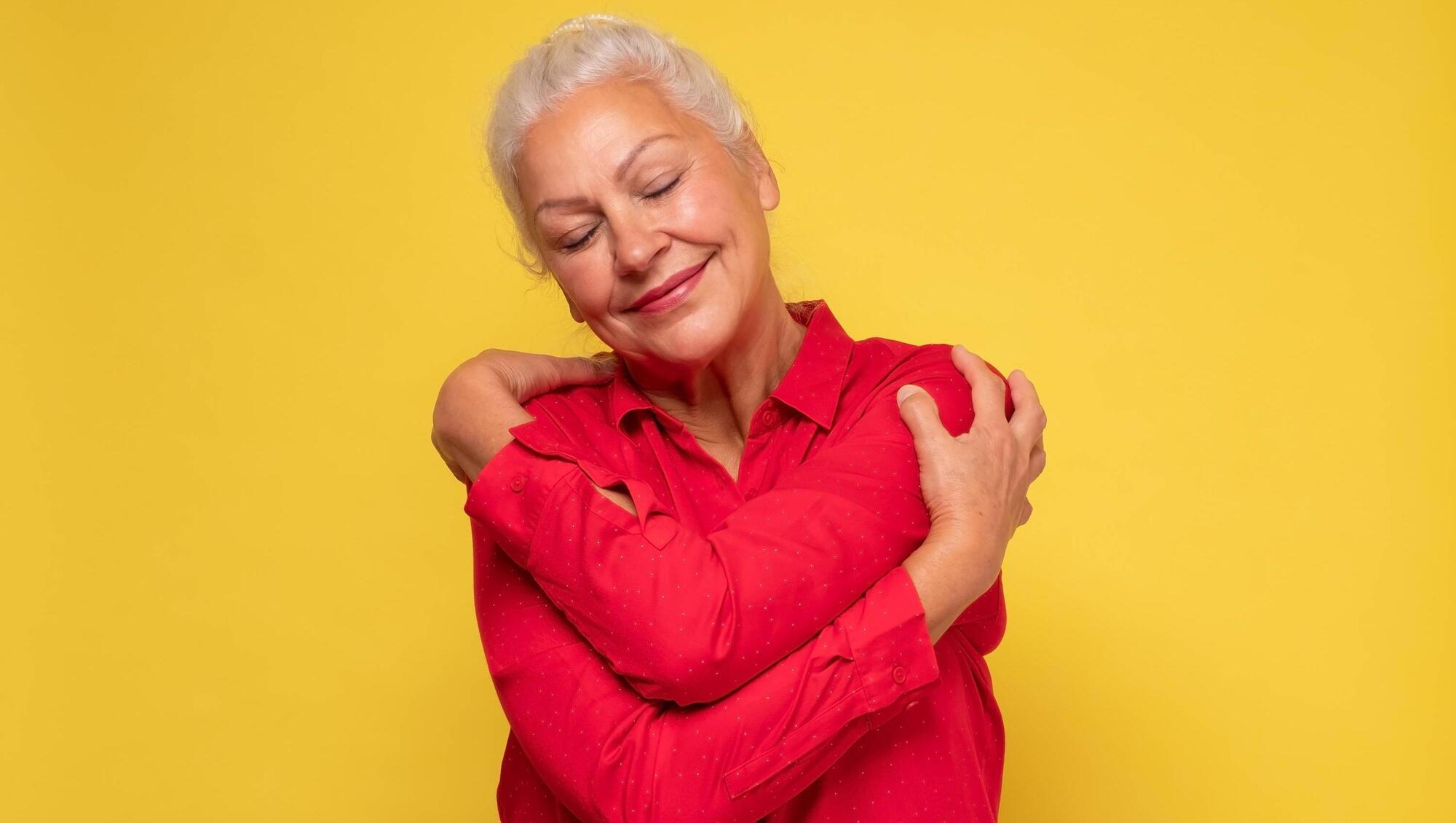
From a handshake to a hug, we've been missing out on connecting with family and friends due to Covid-19. 
Innovative ways to get up close and personal with loved ones  

Picture: iStock 

APPLE'S iPhone 12 Mini, Mattel's remote-control Baby Yoda and the new PlayStation 5 may dominate marketing gift guides for 2020. But as Lockdown 2.0 continues, a warm hug could be the most coveted gift of all this Christmas — and the one thing Santa can't deliver.

Now a Limerick grandmother is hoping her simple €25 solution will bring some comfort to those unable to embrace their loved ones this festive season.


Retired art teacher Ursula O'Meara came up with the idea for her 'Hug Pillowcase' after losing her only sister, Finola, to cancer aged just 56, 10 years ago. And the current "touch famine" has led people from around the world, also longing for just one more hug from their loved one, to reach out for one of the comforters.

Ursula O'Meara, founder of Hug Pillowcase

"Finola was a great hugger," Ursula remembers. "When she'd come home from Canada, no matter who she'd meet on the street, she'd have to hug them.

"I wanted to do something to keep her memory alive, so I thought, 'Why don't I put the word 'hug' on it?'

"I came up with the idea for the pillowcase because they are the loneliest moments, when you're in bed at night and all your thoughts are racing through your head.

"I just thought if somebody could send you a hug, then no matter where you are, you'd know, 'I got this from somebody — and they care'."

Embroidered with the word 'Hug', as well as other options, including 'Hug from Grandma' and 'Hug from Ireland', the thoughtful gift has winged its way as far afield as Australia and the US amid the ongoing global pandemic, and while it can never replace the real thing, Ursula told how the enterprise has been cathartic for her too.

Ursula O'Meara's sister Finola Earls.

"After Finola died, I wasn't sleeping great," she says. "I thought to myself, 'I'd just love to be able to give her one last hug.

"We were so close — I travelled back and forth [to Canada] over the five years she was sick and we'd be on the phone constantly.

"She'd always say to me, 'Will you give me an Irish hug now', and I'd say, 'I'm sending it right down the phone to you now', and we'd sign off on that.

"I've gotten feedback from various people that have received [the pillows] as gifts and they have said they were thrilled with them, and that in itself gives me joy. The whole idea behind the company was that I was going to carry on her hug — and send it to the four corners of the earth."

SKIN HUNGER

From hugs to handshakes, earlier this year — before the global coronavirus outbreak and ongoing search for a vaccine entered the news cycle — a ground-breaking new study commissioned by the BBC set out to explore the power of touch on our health and wellbeing throughout all areas of life.

Back then, the results of the worldwide 'Touch Test' might have been expected to focus on excessive or even unwanted touch in the #MeToo era, with only "technoference" to blame for people touching their phones more than their partner or friends.

Post-pandemic, as elbow bumps replace bear hugs and touchless technology takes over, now it's the lack of consensual human touch that could be having the biggest impact on mental wellbeing, according to researchers at Goldsmiths University. 

Professor Michael Banissy

“Touch affects pretty much everything,” lead researcher Professor Michael Banissy tells 'Feelgood'. “Even as infants, around 65 per cent of face to face parent interaction involves touch. As people develop throughout life, touch plays a really important role in forming and maintaining social bonds, and we know those bonds are really important for our happiness and health.

“It is also though very much influenced by individual differences, and influenced by culture and society, so understanding those differences is really important."

Overlapping with the first lockdown in March by just a week, when asked if they got enough touch in their lives, 54% of people who took the Touch Test, which included participants from Ireland, answered no, with 'comforting', 'warm' and 'love' the three most commonly words used to describe touch.

Since then, further research by the university has unsurprisingly seen a rise in "skin hunger", otherwise known as "affection deprivation", as people continue to stay two metres away from family and friends. 

"Touch is a language that can transcend words," explains Dublin-based counsellor and psychotherapist Fergus Breen. "It lends itself to build trust and a commonality.

"There can be a leaning towards being fully independent people, and while independence is important, really we are interdependent. We need each other and part of that need can be expressed through touch.

"Touch doesn't have to be a hug, even just a hand on a shoulder can be reassuring and affirming for someone. It can help them feel seen and validated.

"Of course, we have to be mindful that everyone experiences touch in different ways," he continues.

"Some people are ‘huggy’ people — it doesn’t mean that it is OK for them to assume others are. It’s especially crucial for people in positions of power to not assume touch is welcome from them as it can be more difficult for people to refuse touch when someone is in authority.

"There is rarely any harm in asking 'Can I give you a hug?' rather than assuming."

HUG TIME

In April, Iceland's forestry service urged members of the public to hug trees instead of each other on their daily walk to help combat the sense of isolation caused by Covid-19 restrictions. 

Illinois woman Rose Gagnon (85), meanwhile, got to safely hug her great-grandchildren for the first time in over two months in May after her granddaughter made a plastic 'Hug Time' device in her front garden, a video of which went viral in the best way possible. 

Necessity was also the mother of invention for Dubliner Jan Brierton and her children Willow (11) and Theo (8), who made a similar contraption —  as well as ceramic 'pocket hugs' and 'hug cushions' — in order to give their nan, Maura, a squeeze on her 74th birthday in May.

 Hug cushion designed by Jan Brierton and her children.
Hug cushion designed by Jan Brierton and her children.

"I'd seen the American thing and I was like, 'Oh my God, this is perfect —  we'll do this for my mam for her birthday', because I knew the only thing she wanted was a hug,"  says stylist Jan, who created a barrier on the front door of her parents' Tallaght home using a shower curtain, two rolls of cling film and gaffer tape.

"My mam would be very close to my kids. Like most people, I rely on my mam to help with collecting and minding the kids if I have work, so [in normal circumstances] they spend huge amounts of time in her company. She's really the second caregiver — the collector, the feeder and the hugger.

Maura Brierton with hug cushions made from her grandchildren's t-shirts. 

"She really missed that connection with them and vice versa, so for her birthday we made cushions out of the kids' t-shirts so she could hug them because, obviously, we weren't able to touch her.

"She was absolutely thrilled to be able to hug the cushion - and then we revealed the actual hug to her. Basically, it was putting a barrier in between the touch but nonetheless still having the physicality of a hug," explains Jan, who also enjoyed an emotional reunion with her dad thanks to the invention.

"We left it up for the day and came back and had more hugs before we left. It was very emotional. Mam said it was the best day ever — she just thought it was magic.

SELF-SOOTHING 

"Haptic technology, such as the HuggieBot 1.0 used in research on hugging, is another potential solution to the epidemic of loneliness already being explored by scientists. Yet the Touch Test showed how the current dearth of physical touch could actually be making people more resistant to robotic touch, with just 13% open to the idea of a device that transmitted a long-distance handshake.

"Really it's about finding ways of feeling soothed," says life coach Gráinne Carr of Grainnecarr.com, who also facilitates nationwide cuddle parties, currently on hiatus. "Ultimately that's what touch is — it comes from our earliest recollections of being held by somebody who loves us and is taking care of us, and it's a great thing for making us feel at ease and at peace in ourself.

"It could be a dog or a cat just to cuddle with or it could be having a pillow to hug or an old teddy bear, or seeing are there people within your bubble who could also do with a hug. You can also make your own space, somewhere to help nurture that feeling of being cared for and loved, simply by yourself."

Back in Limerick, after naming her company Comfort Cocoon, that's precisely what Ursula O'Meara has done. Now as well as a huggable pillow, she's hoping to envelop her grandsons, Owyn (6) and Harrison (1), in London in her arms very soon. 

"I'm missing them terribly," she says. "I envy these grannies that live just up the road and the kids can come down and wave in the window.

"Finola's youngest daughter, Clodagh, had a baby girl called Fionnuala on 30th October, and we are all so happy about the news. We're hoping we'll all be able to get together again in the New Year — and get to hug for real."

ALL YOU NEED ARE HUGS

We need four hugs a day to survive and 12 to thrive, according to pioneering family therapist Virginia Satir, with the fellow cuddler in your bubble the most obvious Covid-proof choice.

  • 'Netflix and chill' not an option? Research by Washington State University shows how 'Petflix and chill' - petting your cat or dog for just ten minutes - can be just as effective at reducing stress.
  • 'Forest bathing' is already part of Japan's public health programme - now other governments are branching out too by recommending hugging a tree for five minutes a day to boost happiness.
  • Snuggling up to a pillow at night doesn't just support your body, it also offers emotional support in these difficult times, according to studies, and - as part of a nightly routine - can even help you nod off.
  • Self-isolating? Go solo - hugging yourself may feel silly at first, but science shows that the ultimate in self-compassion can reduce anxiety by recreating a feeling of comfort, and even relieve physical pain.

Celebrating 25 years of health and wellbeing

More in this section

Lifestyle

Newsletter

The best food, health, entertainment and lifestyle content from the Irish Examiner, direct to your inbox.

Cookie Policy Privacy Policy Brand Safety FAQ Help Contact Us Terms and Conditions

© Examiner Echo Group Limited