Why your baby's diet is important for their long-term health
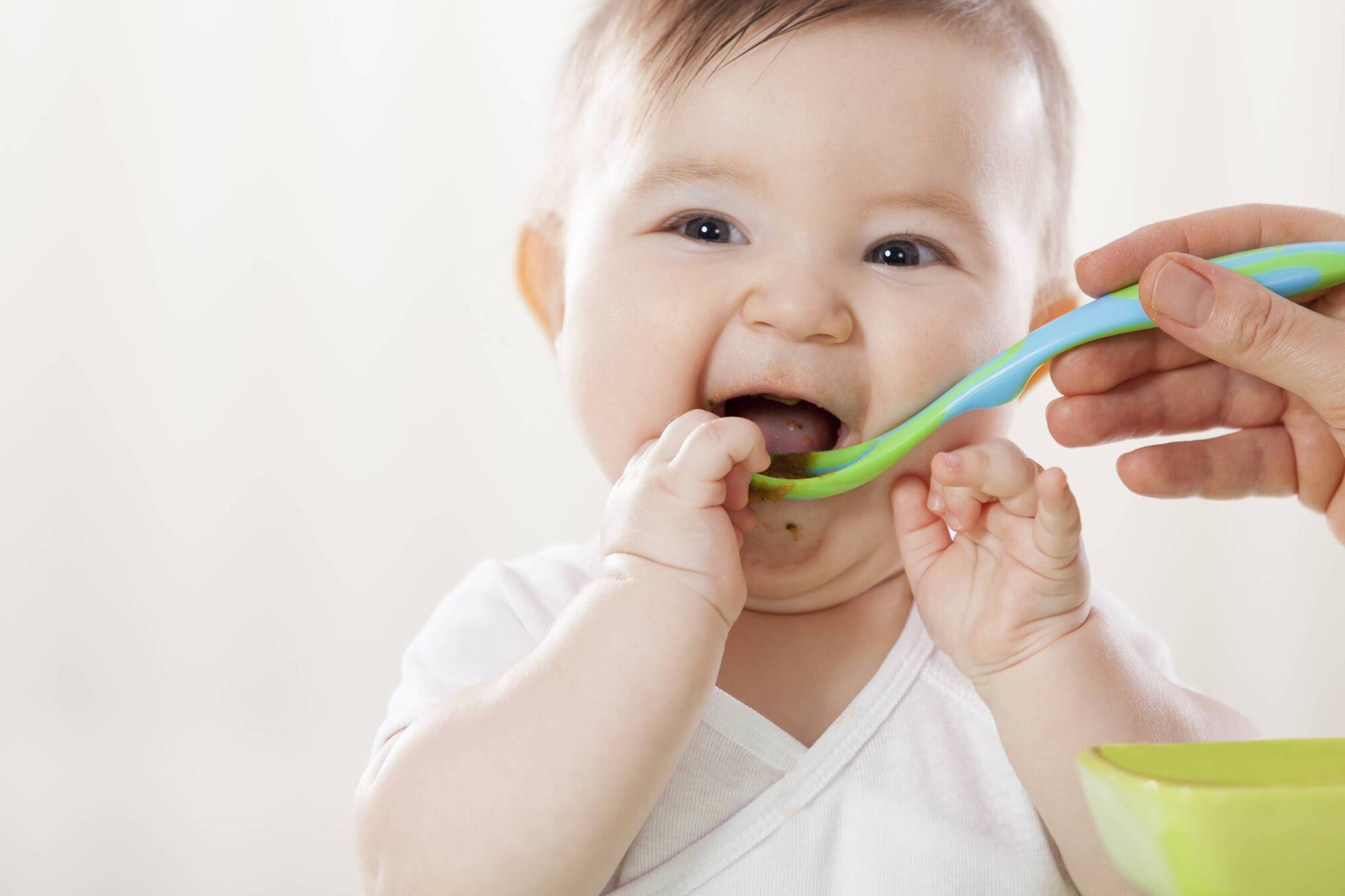
Exposure to a wide variety of foods from an early age can reduce the risk of allergies, atopic dermatitis, and asthma
THE first 1,000 days of life are crucial in establishing the foundations of lifelong health. Research shows that the period between conception and a child’s second birthday is when building blocks are laid down for the development of their brains and immune system, physical growth, and overall future wellbeing.
“Those first 1,000 days are a uniquely sensitive time when the conditions for optimal growth, health, and brain development are established,” says Dr Ann-Marie Brennan, a neonatal dietitian at Cork University Maternity Hospital (CUMH). “Nutrition is critical for these processes and has been shown to reduce the risk of developing chronic disorders such
Research published by Israeli paediatric gastroenterologists Yigal Elenberg and Ron Shaoul in 2014 makes the point clearly. They found that exposure to a wide variety of foods from an early age can reduce the risk of allergies, atopic dermatitis, and asthma and that early exposure to gluten can reduce the odds of coeliac disease and type 1 diabetes in infants with a family history of these conditions.
As a mother of three young children, Operation Transformation's resident dietitian Aoife Hearne realises parents might feel pressure on reading this but urges them to shift their perspective. “See it as an opportunity,” she says. “Ask yourself what little things you can do to improve your child’s diet.”
The first 1,000 days are broken into three stages: pregnancy, infancy, and toddlerhood. Nutrition is vital during each stage.
Brennan specialises in the nutrition of preterm babies. She is part of a team of researchers working in the INFANT Research Centre at UCC and CUMH that has developed an award-winning model of care for preterm nutrition known as PremSmartTM. Working with babies who miss out on their third trimester of growth has given her a unique insight into the importance of what pregnant women eat.
“What mothers eat has an impact on their babies’ short- and long-term health, providing what is needed for the development of the foetus as well as establishing an adequate store of nutrients at birth,” she says. “They should try to eat a balanced diet with adequate amounts of calcium, vitamin D, iron, and omega3 fats.”
Infancy – from birth to a child’s first birthday – is when babies learn how to eat. For the first six months, all nutrition comes from milk. “If breastfeeding, mothers should continue eating as well as they did in pregnancy,” says Brennan. “Their baby still needs the nutrition.”
They should also give their babies a vitamin D supplement. The vitamin is essential for bone health and low levels have been associated with developing heart disease, diabetes, and multiple sclerosis in later life. Formula milk is fortified with vitamin D and the HSE now advises breastfeeding mothers to give their babies a daily supplement.
By the age of six months, the time has come for solid foods. “This is when parents introduce foods that move the child towards the healthy balanced diet that everyone else in the family consumes,” says Dr Marian O’Reilly, chief specialist in nutrition at Safefood, the public body responsible for raising consumer awareness of issues relating to food safety and healthy eating.
It can be a daunting time for parents and a challenging one for babies. “There’s a big learning curve as babies move from a purely liquid diet to different flavours and textures,” says Hearne.
Her first tip is for parents to relax. “Food before age one is supposed to be fun,” she says. “Children get their main nutrition from milk during this time, so your focus should be on introducing flavours and textures, not worrying how much food ends up on the kitchen floor.”
O’Reilly advises feeding babies the foods you eat as a family. “Introduce a new one of those every two to three days, moving from purée to lumpier textures,” she says. “But avoid foods that are high in salt, sugar, or fat.”
Unprocessed food should form the basis of a child’s diet. “By the time they are toddlers, they should be eating carbs such as bread, porridge, and potatoes for energy; protein such as soft meats, fish, and eggs for growth and repair; and calcium from milk, yoghurt, and cheese for their bones,” says Hearne. “Parents should also give children a wide variety of fruit and veg.”
When it comes to fibre, her advice is to mix it up.
“Children don’t need as much fibre as adults and too much can impact on nutrient absorption,” she says. “A variety of white and brown carbohydrates is best for most children.”
Iron is a different matter. Babies are born with some, but it starts to run out when they hit six months. “You can start giving meat, fortified cereals, beans, and nuts from then one,” says Hearne.
She reassures parents who worry about exposing children to nuts. “Food intolerances and allergies are rare in children. The advice is to give children all foods from six months of age, especially those that could be allergens such as nuts, gluten, and eggs. But if you have any worries, seek a diagnosis from a medical doctor.”

These tips are all well and good, but what can parents do when toddlers develop minds of their own and refuse to eat their food?
“Unfortunately for parents, most children go through a fussy eating stage where they reject foods they previously ate happily and refuse to try new foods,” says Hearne. “This usually happens after the age of 15 months and can continue to the age of five. My advice to parents is to hang in there.”
She believes the best way of doing this is to take a responsive eating approach. “This is where children stay connected to their bodies, eating when hungry and stopping when full. They do this intuitively from birth but we confuse them when we encourage them to finish their plates or bribe them into eating their broccoli with biscuits.”
Emotional eating comes into this too. “Children should be taught to address their emotional needs without food,” says Hearne. “If they fall, give them cuddles, not cookies. That way, we’ll raise a generation that has fewer mental struggles with food.”
This is what she does with her own children, aged two, four, and six. “My eldest is the fussiest,” she says. “He loves roast potatoes but who has time to cook those every day? So, I try teaming foods he likes with foods he does not, such as mixing his favourite baked beans into mashed potatoes.”
Her youngest eats everything. “I think this is because I was much more easy-going with her,” she says. “I let her pick on whatever food was around and now, she happily eats a more varied diet than the other two.”
Her middle child is different again. “She eats like a bird, but she is following her growth curve, so I have to trust that she is responding to her own hunger and fullness,” says Hearne.
Safefood is currently running a campaign that ties in with helping children develop healthy eating patterns. “START is all about how big wins start with small changes,” says O’Reilly. “It can be as simple as asking the children to help prepare food or to set the table. These are habits that encourage them to become more interested in food.”
They also contribute to developing a sense of food literacy. “This is not about teaching children that certain foods are good and bad,” says O’Reilly. “We want to move away from that thinking. Instead, it is about exposing children to healthy food and creating a supportive food environment at home. We can do this by encouraging children to get hands-on with food by mixing ingredients and tasting things while we cook. We can ask them to choose what to have for dinner, and at mealtimes, we can all sit down to enjoy what we eat. Every small change helps to establish healthy eating habits for the whole family.”
There are resources to help parents with this. As well as Safefood’s www.makeastart.ie, there is www.childfeedingguide.co.uk and www.firststepsnutrition.org.
“Maryann Jacobsen’s book is great as is podcast,” says Hearne. “My children play a fun vegetable matching game on my phone. It’s all part of exposing them to healthy food.”
With the pandemic outbreak, parents need this help now more than ever. “When the country first went into lockdown, it had a detrimental effect on family life, especially if parents were trying to work from home without childcare,” says O’Reilly. “There were fewer routines around meals and bedtimes, which led to more unhealthy snacking.”
Now is the time to learn from that experience and do better. “Ask what small change your family can make to how you eat,” says O’Reilly. “Make that change and stick to it. Then make another one.”
It may be challenging but it is certainly possible to build solid foundations for health in the first 1000 days of your child’s life. “It’s hard and there are times it will feel like a struggle,” says Hearne. “But be persistent. You can do it.”
As a mother of three and as a dietitian who has dealt with her fair share of reluctant eaters, Aoife Hearne has tips to help parents deal with troublesome tots who refuse to eat their food.
This means eating your own vegetables and demonstrating to your children that you enjoy a healthy, balanced diet.
Eat meals at regular times and try not to have snacks too close to mealtimes. That way, children will be hungry when they come to the table and more likely to eat what you have prepared for them.
It can take time to learn to like the flavour and texture of foods and many children require up to 20 exposures before they try a food. This means that a food may be refused many times before it is ever tasted.
“A refusal does not mean that the child does not like the food so persist in offering it,” says Hearne. “Children like what they know and eat what they like so give them a chance to get to know and like a wide variety of foods.”
“Two days of eating very little is not going to cause a deficiency,” she says. “What is important is to stay hydrated during that time. If they want to snack on bland foods such as crackers, bread, and toast, let them.”
“It’s a long game so do not beat yourself up over one bad meal or one day of poor eating,” she says. “Instead, focus on helping children to develop a healthy relationship with food where they stay connected to their hunger and fullness and learn to nourish themselves with real food.”
Celebrating 25 years of health and wellbeing