Natural health: Is there a remedy for vaginal thrush?

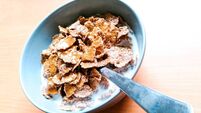
Diet is important when it comes to getting candida under control and back in balance; eliminating sugars is the first step. Picture: iStock
Women are eight times more likely than men to develop an issue with candida imbalance. I use the term imbalance rather than infection since it is normal to have Candida albicans in the gastrointestinal tract and vagina, however it is problematic when it multiplies out of control.
Overgrowth of candida often occurs in individuals who have long-term issues with cystitis or urinary tract infections as these tend to lead to repeated antibiotic treatment.
SIBO (small intestinal bacterial overgrowth) is another syndrome that is often linked with candida infection, due to impaired digestion, immunity, nutritional deficiencies, disrupted intestinal flora, and prescribed medications.
It is important to identify any of these predisposing or underlying factors as this can help to uncover and address the root cause.
Diet is important when it comes to getting candida under control. Eliminating sugars is the first step — not just processed sugar and sweet treats, but you will also need to cut out natural sugars such as honey, maple syrup, dried fruit, and it is wise to either limit or eliminate fresh fruit until you feel better.
Remember, this is not a lifelong change, simply a means to get your body back in balance.
Processed and high-GI (glycaemic index also referred to as GL or glycaemic load) foods should be avoided — glycaemic load refers to the level of sugar and starch found in certain foods and relates to their impact on blood sugar and hormone production.
It is advisable to avoid yeast or foods with mould. This means no marmite and kombucha (yeast); bread made with yeast; soft or blue cheeses (mould). Even edible fungi may contribute to symptoms — so give mushrooms a miss until you are back on track.
Support your digestive system with a quality probiotic supplement, and ensure that you add garlic to your main meals.
If you are not already taking a good antioxidant formula, then invest in one that contains vitamins A, C, E, and selenium.
Soluble fibre, such as psyllium husks, taken in the evening before bedtime can also help to support detoxification and prevent the absorption of toxins, antigens, and particles from the yeast as it dies off.
Caprylic acid is another useful supplement since it is naturally antifungal and absorbs well in the intestinal environment. Use an enteric-coated formula for best results, and take 1,000mg with each meal.
Topically, the most effective natural cream I have found to help with the itch and discomfort is Intimate Care by Kolorex. Kolorex products utilise the New Zealand native antifungal herb, Horopito (Pseudowintera colorata).
A flaky and dry scalp is often linked in with yeast overgrowth, specifically the yeast Pityrosporum ovale, so this means that many of the protocols I have outlined in the above reply regarding candida will also be useful — in particular the dietary elimination information.
You may also benefit from taking a probiotic supplement to balance your beneficial flora.
One of the more surprising triggers for a flaking scalp is not something that we eat or even apply to our hair or scalp — is stress which can upset our whole system.
Ensure that you are getting plenty of essential fatty acids in your diet, as this will help feed your skin from the inside out, reduce inflammation, and help to nourish your nervous system.

CONNECT WITH US TODAY



Be the first to know the latest news and updates