Secret Teacher: The road to safety is paved with wrong intentions
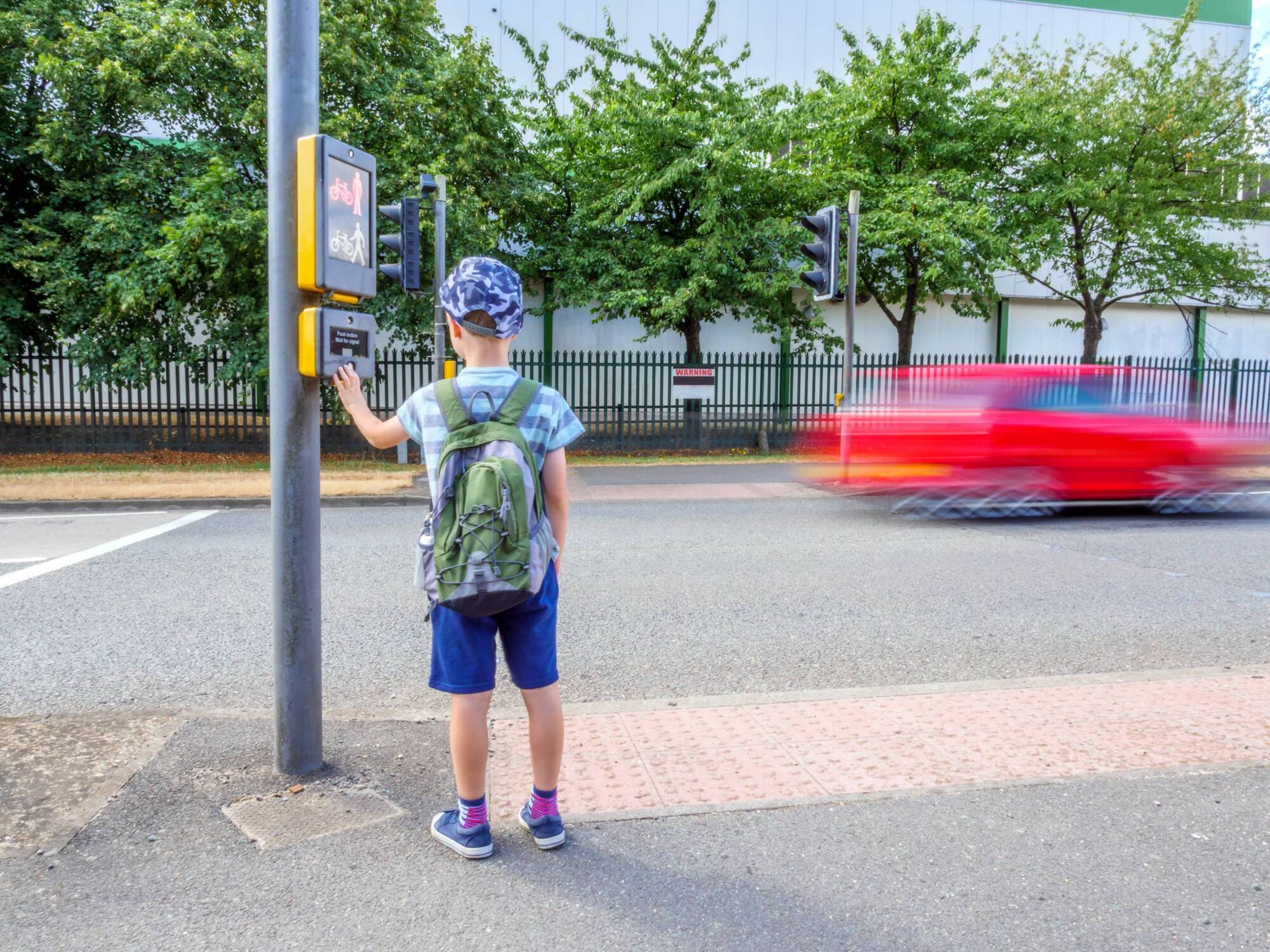
A child on a road alone triggers our alert system. We’re wrong.
Last week, I let my ten-year-old cross the road. Alone.
I’d shown him how to cross safely loads of times. I watched from my bedroom window. He made it. When I was his age, I reminded myself, I was biking through entire suburbs.
Coming back, however, a woman approached him. I started to get uncomfortable when the conversation continued. She’d stopped her car to get out and talk to him; the door of the car was still open. Spooked, I ran over but by the time I got there he was back on our side of the road.
He explained to me that the woman had insisted on crossing over with him. She thought my boy was in so much danger that she felt compelled to pull over and take his hand in the middle of a pandemic.
A few days later I asked my students where a child is safer: at home, or on a road alone. I showed them pictures of both settings.
My teenage tutor group unanimously sided with the lady who’d stopped her car; they all identified being indoors as the safer option. Why? Because a child on a road alone triggers our alert system. We imagine a deranged savage emerging from the shadows, or a car careening feverishly around the bend.
We’re wrong.
Statistically, our children are far less endangered out of doors, even out of our sight, than they are sitting under our noses on smartphones and tablets. That is, if they don’t know how to navigate them. We need to update our understanding of what danger looks like in 2020 because our traditional fears are misplaced.
Child abductions occur, but the rate of their occurrence is surprisingly small. Why do we hear about them so much? Why is Madeleine McCann embedded in our collective psyche? Because such awful tragedies sell newspapers. Stella O’Malley’s Cotton Wool Kids takes 2012 as a sample year in Ireland, pointing out that zero abductions of children by strangers occurred.
But we are nationally uncomfortable with kids playing outdoors. We panic if we can’t see them. If they call to their friends, we ask them to text us. We link up with their friend’s parents to cover all bases. At the same time, we hand them smartphones on their tenth birthday, flinging open the door to the wildly unregulated world of the internet.
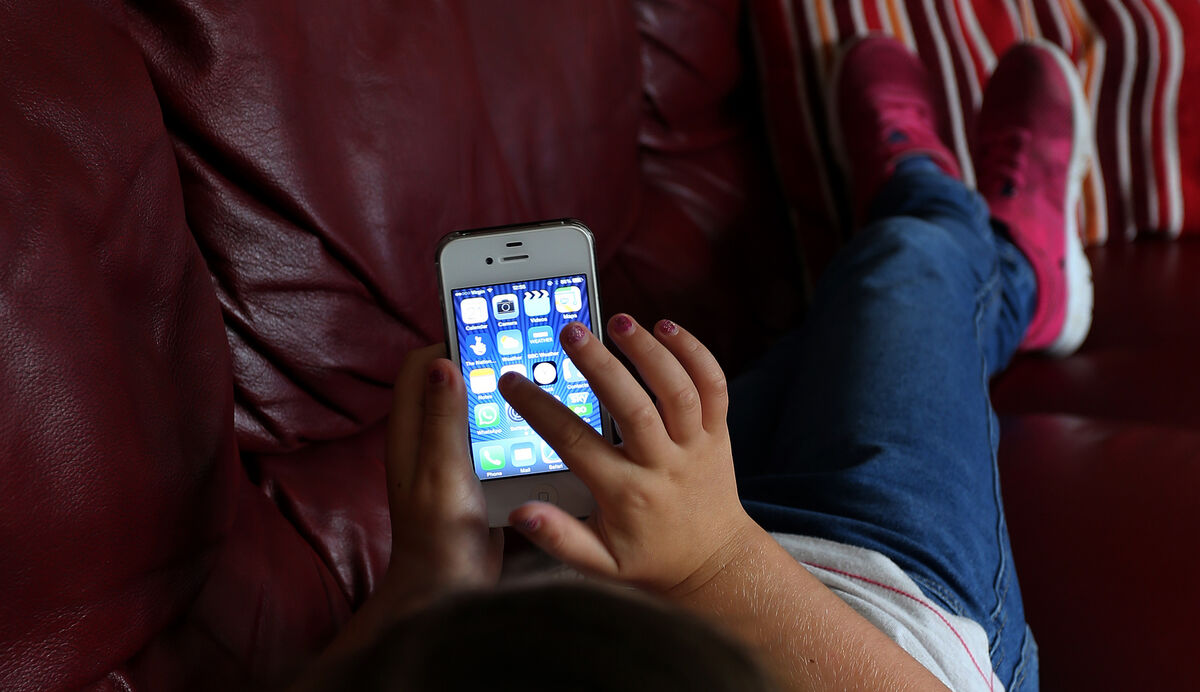
The internet is a place our children go to without us, where small, immature actions can make them extremely vulnerable. Too many young people still don’t know that if they send or receive explicit images of themselves, because they’re underaged, it’s classified as child pornography. The older the child the more likely it is to result in imprisonment, a fine and possible placement on the sex offenders’ register.
If I come across an image as a teacher, I must report it directly to Túsla and the Gardai. Only a couple of weeks ago, my friend’s son received a picture of another child’s genitalia as a joke. I had to highlight the legal severity of what had happened. My friend perceived it as nothing more than a silly prank. That ignorance is dangerous.
Additional threats come from our children’s peers. I’ve encountered this multiple times in school, most frequently when a child is mocked in group chats. The results can be devastating and lasting. Social media is harming the well-being of young people, particularly our girls, who feel pressure to resemble app-enhanced images. Teenagers conflate the number of likes on their posts with acceptance and connection. An extensive study carried out late last year by UCD found that children who spend long periods online get less sleep and exercise and experience more depression and anxiety.
The Social Dilemma on Netflix really is a must-watch. It pivots on testimony from experts in the tech industry, explaining how sites like Facebook and Snapchat manipulate people’s psychology. Your child, sitting on your couch, a metre from you, might be chatting away whilst engaging in something that’s reducing their self-worth and multiplying their anxieties.
Sites like Google also drip-feed material to match previous searches. Students end up inside echo chambers and may be drawn towards more radical ideas. It’s no coincidence that society is becoming more and more polarised. The internet does so much good, but it can also be deeply damaging. Even when individuals try to behave sensibly online, they can be manipulated.
October is The European Cybersecurity Month (ECSM) and given the threat of another lockdown teachers and parents need to get to work immediately. The Garda Online Child Exploitation Unit is now seeing a 29 percent increase in traffic on sites being monitored on the dark web because of exploitative practices relating to children. We must wise up.
When should children even get a smartphone for instance? Bill Gates gave his kids smartphones at fourteen. That might not be a popular decision for a parent to take but it’s not our job to be popular, is it? Our job is to reduce real dangers not perceived, outdated ones.
I’m convinced that the woman who took my son’s hand was misguided. She would have been better off knocking on a random door, taking the smartphone from a hypnotised child, and leading them outside to play.
That’s what safety really looks like in modern Ireland.
It baffles me how we collectively refuse to see it.


CONNECT WITH US TODAY



Be the first to know the latest news and updates