INCREASING numbers are working from home since Covid-19 emerged. And according to a recent survey, 83% of Irish workers want to continue doing so after the pandemic eases.
The survey, conducted by the Whitaker Institute at NUI Galway and the Western Development Commission, showed just 12% want to work remotely on a daily basis, while 42% said they’d like to do so several times a week and 29% would like the arrangement several times per month.
The 7,241 survey respondents cited benefits and challenges to remote working. And there’s no doubt: for many of us it’s challenging to keep the motivation up, the distractions down and productivity levels what they were pre-Covid.
We asked five business leaders about their strategies for keeping on track while working remotely.
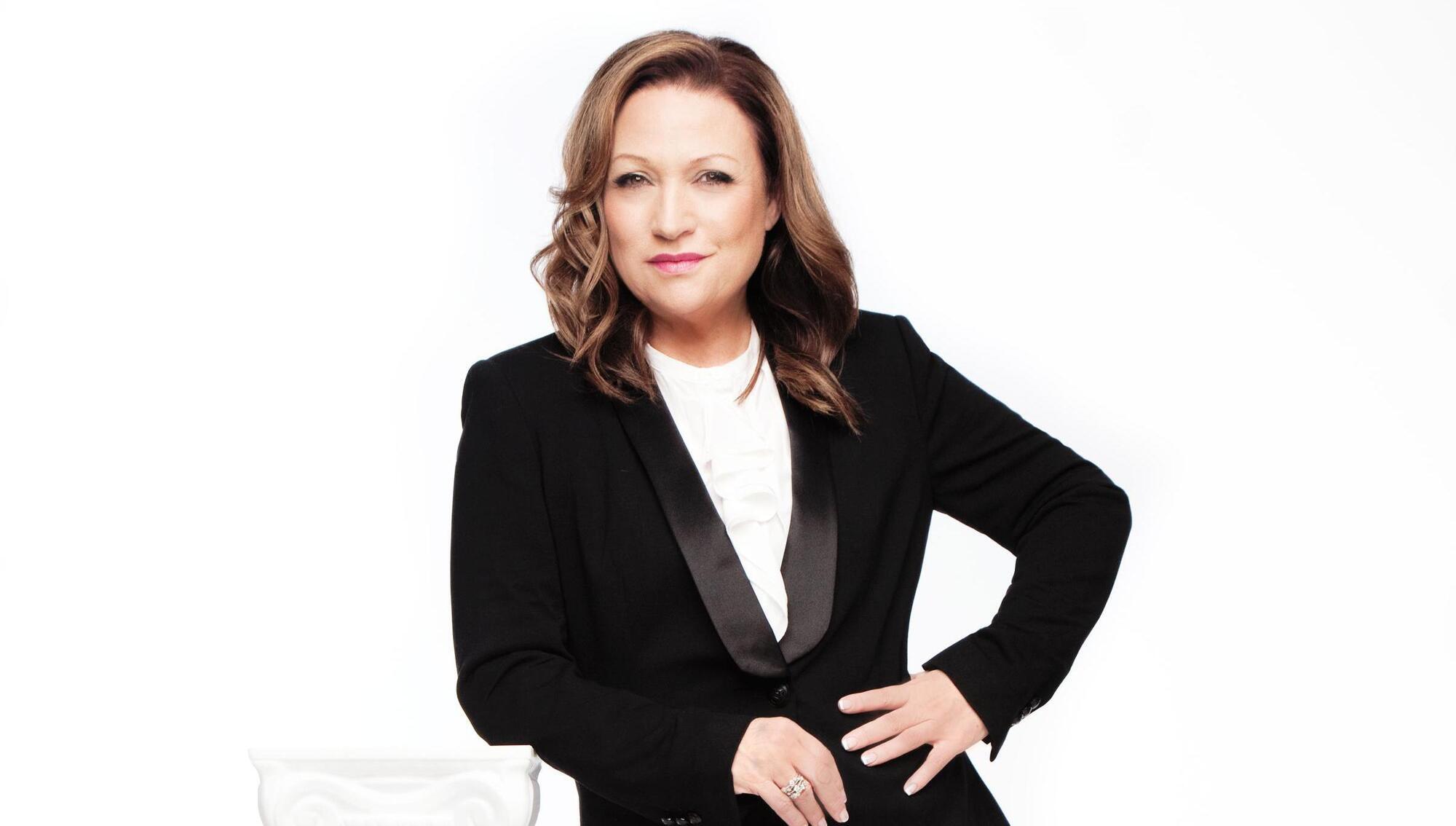
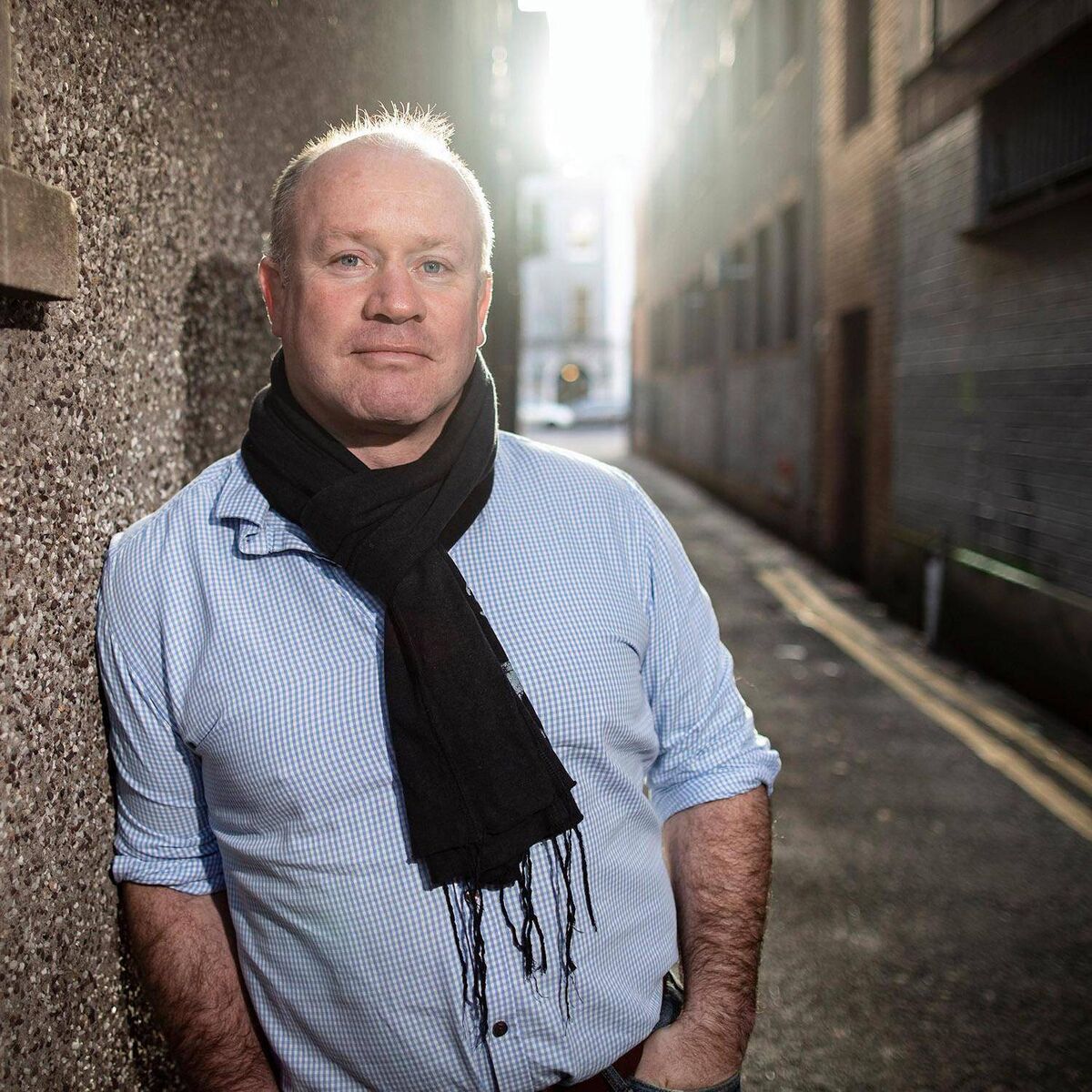
Broadcaster, publisher and mum-of-one Norah Casey (pictured above)
Distractions from work?
“Making a cup of tea, the cutlery drawer needing cleaning and my son just back at university – he’s a great distraction. Too much access to the internet – like most people, I find my concentration leaves me sometimes. I go down rabbit holes – somebody connects with me and I’m suddenly off searching.”
What helps you stay work-motivated?
“Walking, especially in the mornings, is probably the most important thing for me. I do the Dodder Walk most mornings, leaving Milltown all the way to Bushy Park. There are parts where you could imagine you’re nowhere near Dublin. My mother lives in the Phoenix Park – it’s my second walking home. I grew up there so I know all the little forest trails. It’s the only place you can leave the city without leaving the city.
“Something about walking changes the way my brain thinks. I find it very calming. I release all kinds of things that might be occupying me. I find it one of the greatest ways to centre myself for the day ahead, to think, to let my mind wander – I solve more of life’s problems by walking than by anything else.
“The thing about the times we’re going through is we’ve been given time to pause, to take stock of our lives. The temptation is to continue to race at a relentless pace. It’s imperative – when faced with so much news and so much of it frightening – that we go off for an hour a day, take time out, give ourselves space to contemplate, wander and enjoy the luxury of being in nature. It creates resilience – it should be prescribed.
“Music too has saved me in life. I’m a big fan of taking time out and playing beautiful music while having my lunch or coffee break.”
A dragon investor on RTÉ’s Dragons’ Den and founder and CEO of Chanelle McCoy Health, Chanelle is married to former jump jockey AP McCoy, her children are aged 12 and seven.

Distractions from work?
“It’s important to stay focused. I hear a conversation happening in the house and I have to stop myself getting involved. I say to myself: ‘You know what: don’t get involved in stuff happening at home – when you were in the office 10 miles away, the house was able to manage and carry on. So don’t feel you need to get involved just because you’re sitting here. If AP is used to answering the doorbell, he can answer it now’.”
What helps you stay work-motivated?
“Pre-Covid, I was on the go a lot. Being home-based, I noticed – especially early on – I was getting quite tired earlier in the day. I think it’s due to the adrenal gland not being so active – adrenalin’s a great source of energy. In a face-to-face meeting you’ve got that buzz. Pitching for business, getting that deal over the line, it’s exciting – there’s adrenalin. You don’t have that at home, even if you’re on and off Zoom.
“I also learned a lot of tiredness is due to dehydration. I’m mindful now of constantly drinking water, of rehydrating, and I limit myself to three coffees a day. I could be sitting at the desk from 8.30am, getting up for half an hour to have lunch. AP’s niece lives with us so she does school pick-up at 4.30pm, which allows me stay in the office until 5.30pm. After putting the kids to bed, I’m back in the office 8-10pm.
“Sitting on my bum all day, I realised I was getting much less physical movement. My metabolism wasn’t used to this stationary position. I slowly put on weight, though I was eating the same. I realised I absolutely have to exercise.
“I now do the gym four days a week for an hour. I have a gym in the house – the joy of being married to a former professional sports player. I do a proper one-hour workout every day and a 30-minute run. Exercise is key for my productivity levels. It took me four months to decide to do this – 30-minute Zoom classes didn’t do it. I could write 20 emails in the hour I’m exercising but I decided I’m prioritising myself – I give plenty hours to work.
“During my 30-minute run, I listen to podcasts. I love listening to leaders on how to build a business, a brand, on how to scale a business, manage cash-flow. I get a lot of inspiration and I’m back from my run with five ideas to write quickly before they escape.
“For the first few months, it was Zoomitis – Zooms every day, so I was putting on the make-up, putting on my work dress. Jumping on and off Zoom is quite distracting, so I decided to only have Zoom two days a week. On the days I don’t have to put on make-up and get dressed up, I have a clear run at the day.”
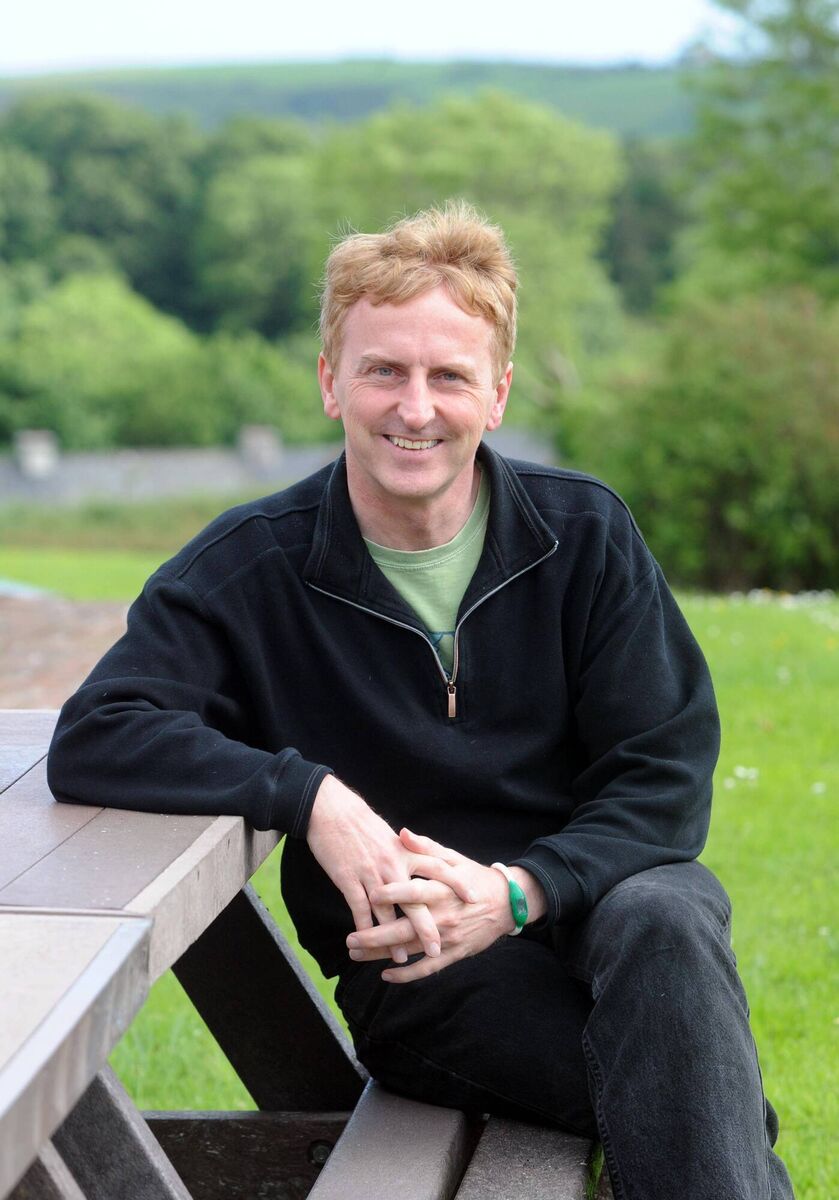
Sean O’Sullivan is founder and managing partner of venture capital (VC) firm SOSV, ranked as the most active VC in the US for quarter two this year. The former Dragons’ Den star has two teen children, aged 15 and 13.
Distractions from work?
“The kids making noise when I’m on calls, not so much – being teenagers, they don’t want anything to do with their parents. The neighbour’s lawnmower – that happens quite a bit, the gardener coming by to mow the lawn. And also Amazon deliveries can be distracting. But the biggest distraction is the computer, the cell phone, all these electronic mechanisms for sending messages: LinkedIn, WhatsApp, WeChat, emails. The constant meetings on all these devices – and across time zones – is distracting.”
What helps you stay work-motivated?
“We use a system called OKR (Objectives and Key Results) – it’s used a lot in the technology industry. Every quarter, everyone in our organisation has a list of five different priorities that lead towards transformation and success for that role. We revisit these OKRs, checking in with your manager or your team once a week or once every other week to see how you’re doing against these OKRs. It keeps everyone focused and ensures people are working on what matters most.
“Day to day, I spend a lot of time on the phone, so I do some vocal warm-ups and exercises to work on my communication skills before engaging with my calls. I do stand-up, five-minute meetings at the top of each day, just with the people who are working on the objectives of my office, looking at that day’s priorities and objectives. I find if people are sitting, they tend to relax and the meeting can go on for 15 minutes – if you stand up it happens quickly.
“Every night, I look at my next day schedule and I set a series of alarms on my iPhone two minutes ahead of each meeting. If you’re in a workplace environment, people will walk by your desk and say ‘hey, are you going to that meeting’. At home, you could get so deeply into emails that you forget you’re meant to be on a Zoom meeting.
“To combat isolation, there’s a tool called Discord. People who work in an office together and who are working on the same programme can chat to each other virtually while working and can hear each other.”
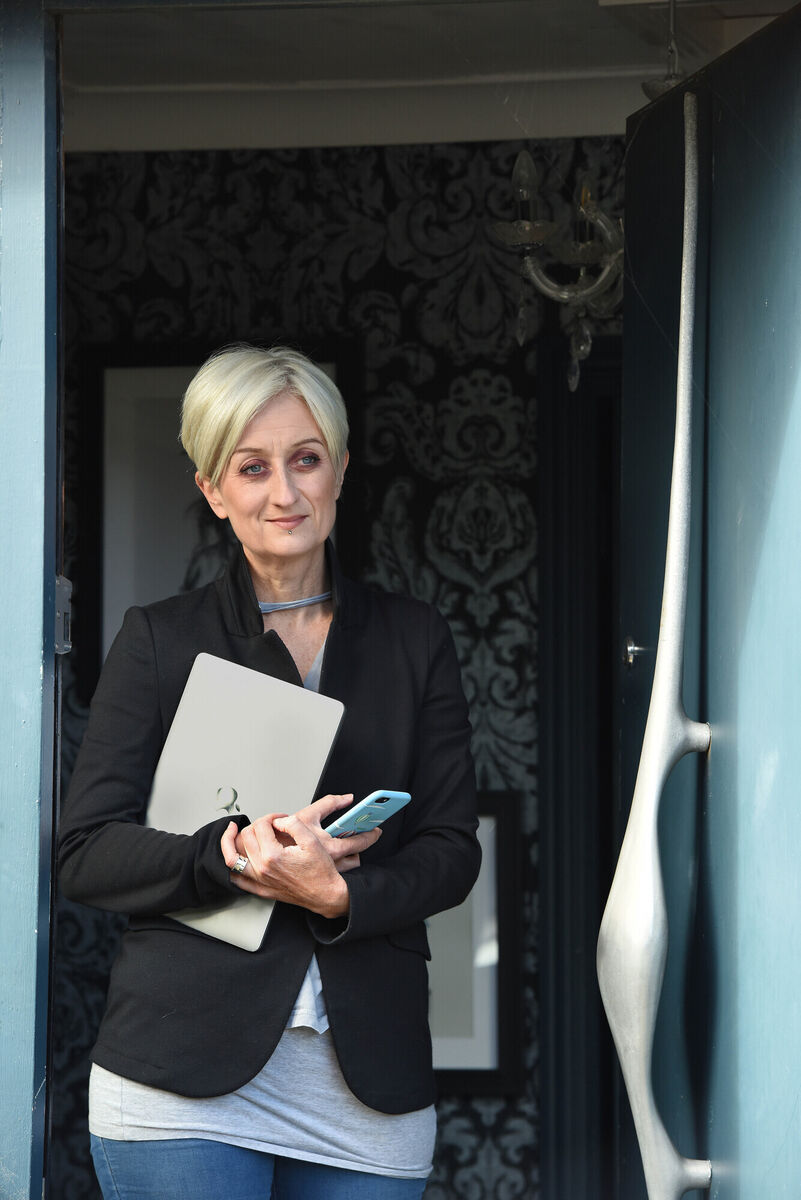
Lewize Crothers is CEO and founder of Irish technology platform Exit Entry, as well as mum to three boys aged 16, 13 and nine.
Distractions from work?
“I actually feel more motivated working from home. Yet, I’ve more to do now. I had child-care pre-Covid and was heartbroken when my au pair went back to Australia.
“I used to travel from home – in Ashbourne, Co Meath – to my office in Dublin. It was two hours a day in transit. And as much as you try to get some work done on the bus, you don’t. I’ve gained those hours back. I’m a lot more structured with my day. I get up early every morning – two hours ahead of the children – and I definitely get 90 minutes done prior to them even landing on the stairs. My days are structured differently but it hasn’t affected my output.”
What helps you stay work-motivated?
“I’m a goal setter. I set myself daily goals around what I want to achieve. I spend half an hour prior to signing off at the end of each day writing my goals for the next day. I do it on a weekly and monthly basis too. Of course, in the current situation, challenges can appear at any time, so objectives can change and need to be reviewed daily.
“I find it important to get outdoor time. Exercise is a big part of who I am. Pre-Covid, I went to the gym four or five times a week in the early morning. That can’t happen now and I see it as a risk to myself. I ensure I exercise a minimum of twice a day. I get at least 30 minutes of a walk in the morning and in the evening I cycle up to 10km with any one of my kids who’ll join me – there’s always at least one.
“Exercise takes me away from technology. I spend a lot of time in front of the computer and on phone and Zoom calls, which can be draining. With exercise, I start and finish each day on a good note.”
Former professional rugby player turned entrepreneur Frankie Sheahan is CEO of Front Row Speakers & Pendulum Summit. Frankie’s a father of five children aged 13, 12 and 10 and five-year-old twins.
Distractions from work?
“To really concentrate, I need a lot of organisation, a clean environment, screens set up around me. Working from home is fine if it’s phone calls or quick messages, but when you need to be 100% focused and in the zone, that’s where I struggle. And with five kids, you can’t expect silence, so it’s important to have somewhere to step outside to go to the office, even if it’s the garden shed.”
What helps you stay work-motivated?
“Every morning I have a quick look at what’s come in overnight and I deal with that. I spend some minutes the night before and/or in the morning when I wake up planning my day. I include the little things. In this new world you have to mix work up with family commitments. You have to structure your day differently. You can’t expect to do 9am-1pm, 2-5.30pm now. My wife’s involved in the business too and it’s not like we turn off the computer at 5.30pm and we’re finished – we could be checking emails, taking calls well into the night or having discussions in bed at 11.30pm about different issues and challenges.
“In rugby, we often said a change is as good as a rest. Playing rugby we kept it fresh because we weren’t always in the same place. Within the house environment, it’s good to move locations. At times I sit in the car out the front – it’s a smart place to be if the kids are a bit noisy, especially if you have an important call requiring your full concentration.
“When things are being changed up as they are now, it’s important to be prepared to pivot and to be open to change. Self-care’s vital.”
See: Pendulum Resurgence: Emerging from Disruption – on November 27
Read More


Cancel anytime
CONNECT WITH US TODAY



Be the first to know the latest news and updates