Natural health: My eczema flares up when I'm feeling stressed
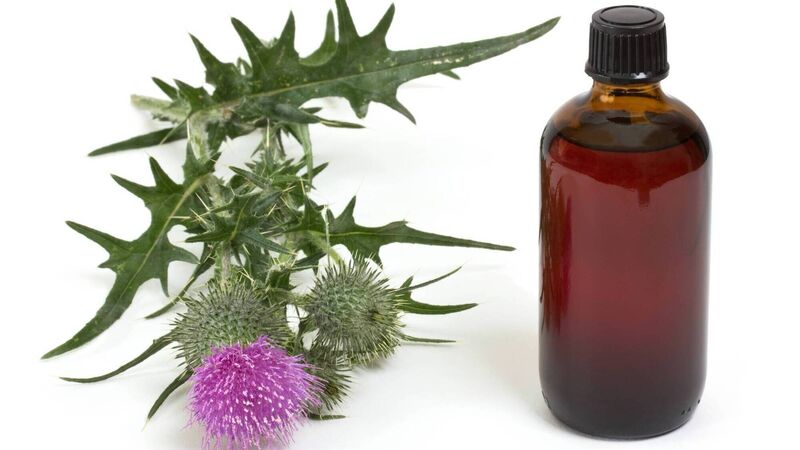
Wild milk thistle: A liver supportive herb for clear skin.

I suffer from eczema, which tends to flare up when I’m under stress. Unfortunately, it also appears on my face. I am careful with my diet and rarely eat sugar. Is there a natural remedy you could recommend?
Knowing that stress is a trigger for your flare-ups is a good starting point.
Obviously, it helps to continue with a diet that supports the health of your skin.
No doubt you will also be well aware of which topical preparations work for you, and which don’t. Unfortunately, with eczema, what works well for one person may not work for another.
It is best to choose organic preparations, made without essential oils if possible, using soothing herbals such as chickweed, rose, and calendula.
It is just as important to nourish your skin by including essential fatty acids in your diet as it is to apply moisturiser. Again, this differs between individuals — some prefer fish oils, others go for plant-based oils such as chia, hemp, borage, and flaxseed along with nuts, seeds, and fatty fruits.
When it comes to stress and skin, often the liver needs a little extra support.
My two favourite liver-supportive herbs for clear skin are milk thistle (Silybum marianum, also known as St Mary’s thistle) and burdock root (Arctium lappa).
Burdock is quite pleasant as a herbal tea, however, milk thistle, pictured, is very bitter and best taken in capsule or tincture form.
To brew your own burdock infusion, simply steep a rounded teaspoon of dried burdock root in a cup of boiling water for three to five minutes and take two to three cups daily. If feeling overwhelmed, use a 50/50 blend of burdock and ashwagandha root (Withania somnifera). Take the milk thistle as directed on the label.
There are a number of effective practices to help deal with stress and one of the simplest is repeated deep breathing. There is plenty of information available online regarding Qi gong, a practice combining deep breathing, body posture, movement, and meditation.
Qi gong (also known as qigong, chi gung, and chi kung) is highly effective in helping with relaxation, wellbeing, sleep, immune function, nerve health, circulation, and of course respiratory function. It works through a process of balancing the body along the same points and meridians underlying acupuncture and acupressure.
I have a lot of small corns and callused areas on the soles of my feet. I use a pumice stone about once a week, but it doesn’t make much difference. What would you suggest?
Corns and calluses appear as a result of pressure in a specific area or areas, where the skin is providing additional protection from friction and pressure by building a thicker surface.
While corns are generally deeper and affect a specific point, calluses are more diffuse and shallow.
Apple cider vinegar is a popular natural remedy for treating corns and calluses. If you have a foot bath or suitable tub to soak your feet in, add ½-1 cup of apple cider vinegar to the water to help soften and gently exfoliate the skin. Soak your feet for at least 10 minutes.
You will still need to use your pumice stone, but the vinegar soak will help to improve the effectiveness of the process. The apple cider vinegar should also be effective in helping to treat and prevent any bacterial or fungal growth on the feet, toes, and nails.
Never try to shave or slice a corn yourself — if you wish to have this done then you will need to see a chiropodist, who specialises in the safe removal of corns by debriding the hardened skin, often providing immediate relief.
A chiropodist can also offer suggestions as to how you can prevent corns from reforming in the future.
NOTE: The information contained in this column is not a substitute for medical advice. Always consult a doctor.

Continue reading for €5
Unlock unlimited access and exclusive benefits
Already a subscriber? Sign in
Cancel anytime
CONNECT WITH US TODAY
Be the first to know the latest news and updates