Social justice or mob rule? Calling out cancel culture
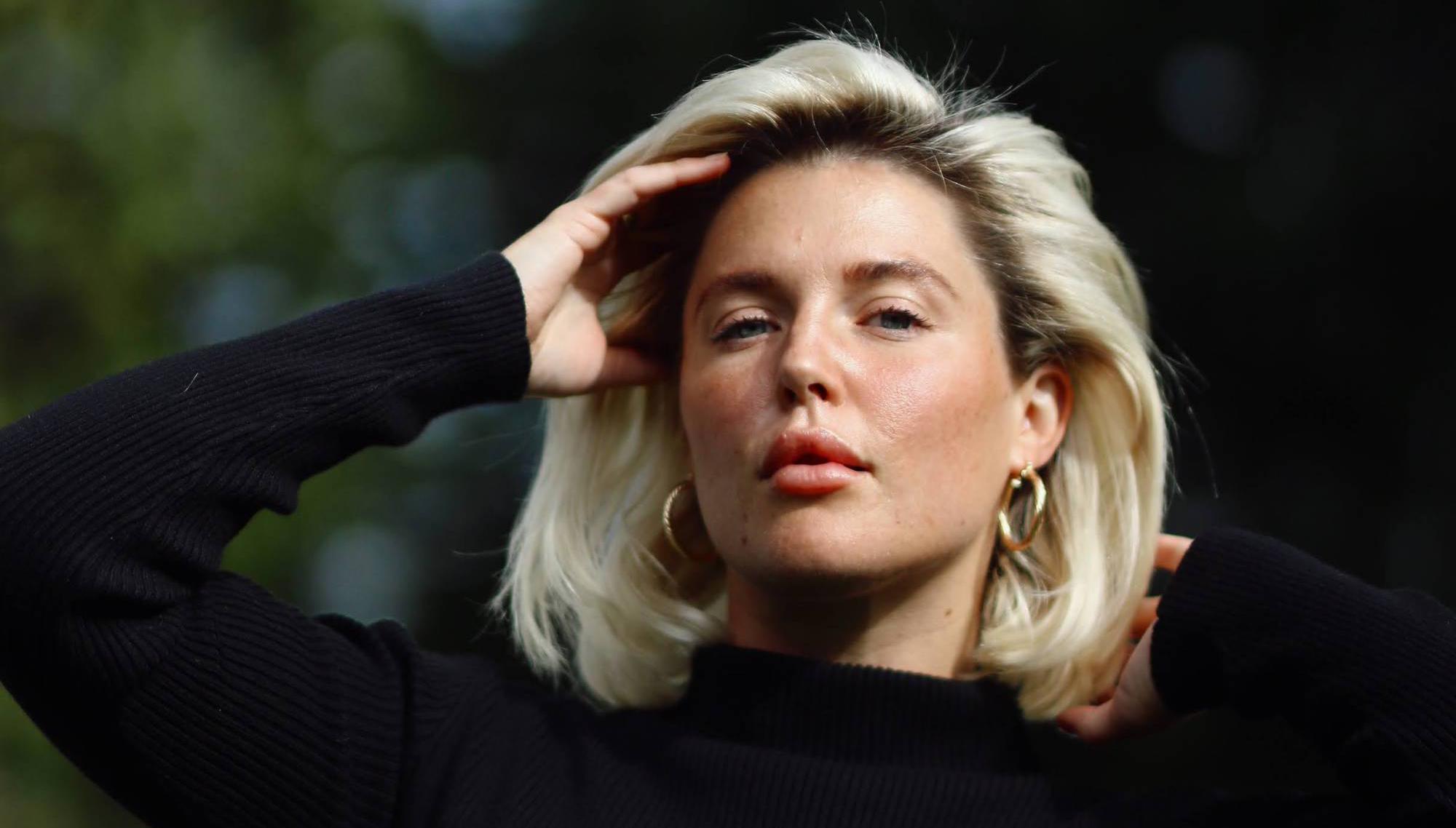
Eimear Varian Barry is one of Ireland’s original and most successful influencers.
“When I started out on Instagram seven years ago, it was a happy, innocent place. Now social media has some very dark places,” says Eimear Varian Barry, one of Ireland’s original and most successful influencers.
Originally from Cork, UK-based Eimear shares a lot of herself online. She has been open about her anxiety, and about her break-up and subsequent reconciliation with partner Daniel. “I think, as a woman, it’s very important to be open, to speak about the ups and downs of life.”
But such sharing, she says, has made her vulnerable to online attacks. “It’s been really bad for about a year,” she says, alluding in particular to a platform she’ll only describe as “a certain website”.
“I’ve had stuff written about how I look, about my family, my children. I do the most random thing, like paddling with my kids in Cornwall and some of their clothes got wet and I had comments like ‘she’s completely lost it now’. I’ve had stuff made up about me: I got two beautiful puppies — something so glorious to come into my life — only to be accused of abusing them.
“My house is for sale. Someone posted a link to it — huge invasion of privacy. Someone left a message, saying ‘she deserves everything that’s coming to her’. That was a couple of months ago. I was petrified. I went into shut-down,” says Eimear, who has gradually re-gained her strength.
Because of the “accumulation of a few different threats”, she reported the matter to the police, who — she confirms — are investigating it.
Making her living as an online influencer, Eimear does paid collaborations with companies — from small businesses to global — who sponsor her. “It’s exactly like how a magazine works and it enables me to keep creating. I’ve been getting brilliant opportunities over the past year. It’s no coincidence it [online attacks] has got much worse since. There’s a lot of jealousy surrounding what I do for a living — people stamp their foot because they don’t have the balls to change their life.”
Friends “have gone to bat for me [online] and been blocked”, says the mum-of-three, who’s in her early 30s. And while she feels the worst thing to do is give attention to online shamers, she asks a pertinent question: “Where do you draw the line between ignoring something and at some point realising ‘this has to be dealt with’.”
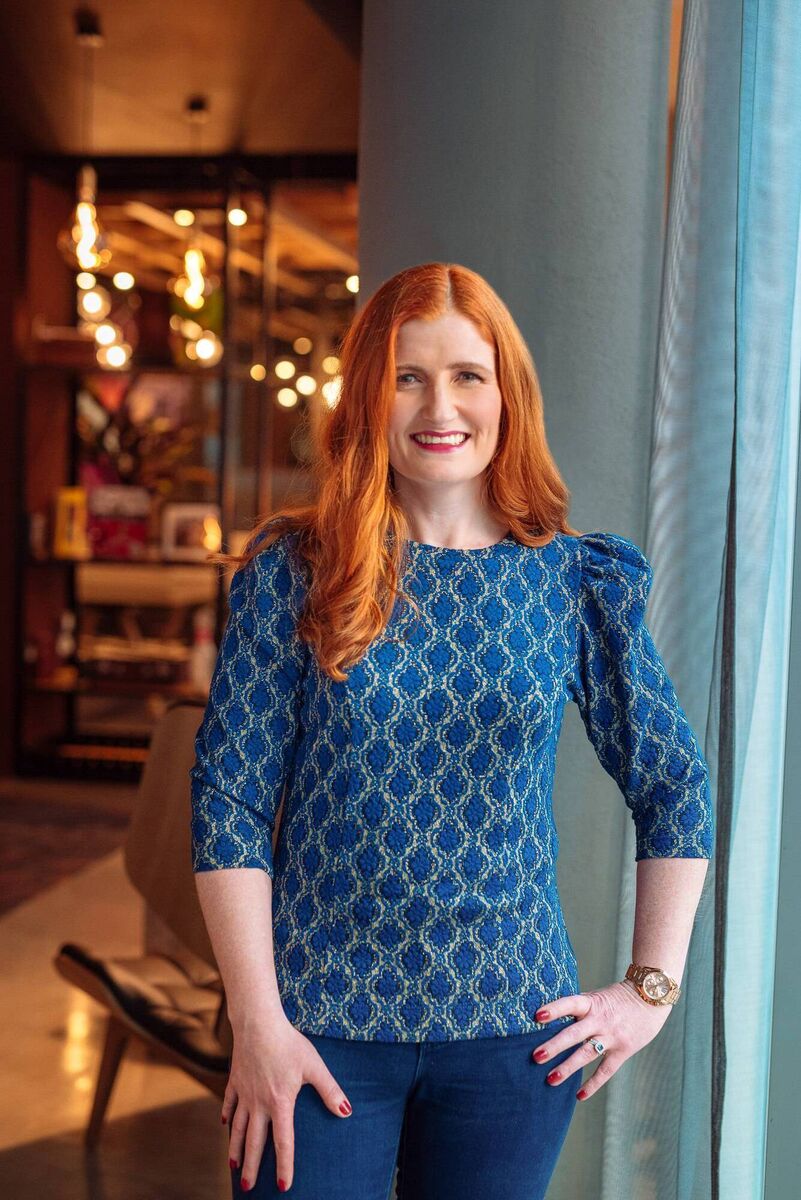
Since psychologist and author Joanna Fortune did her 2017 TEDx Talk, 'Social Media — The Ultimate Shame Game', the herd mentality and echo chamber of online group shaming has got worse. “Is cancel culture an important tool of social justice — or a new way of engaging in mob intimidation?” asks Fortune, who emphasises the importance of separating call-out culture — where you point out injustice — from calling for someone’s head, in the manner of a herd chasing someone down. “There’s a fine line between the two.”
Alma Brosnan, social media consultant at Fuzion Communications, highlights examples where cancel culture — when it calls out “perpetrators of negative activities and remarks” — can spotlight genuine issues, be a force for positive activism. As examples, she cites #MeToo and #BlackLivesMatter. And she says social media, with #GolfGate, helped share awareness of the issues. “[It] was very useful at ensuring a public figure was held accountable for so brazenly flaunting rules the whole country’s expected to follow.”
On the other hand, Fortune sees 'fear-of-getting-cancelled' as stifling authentic thought. “People say what they know the group will approve of. Often, even before formulating a thought, they go online to see what everyone else is thinking. There’s a cost for debate, opinion, interaction when people are afraid to express their genuine thoughts.” (Of course, she points out, when one’s own opinion amounts to hate speech that is never OK to express).
What’s being lost, she says, is the conversation as it exists in a mature society. “Where I can think and believe something — and you can think and believe something else. And our two opinions can co-exist. Cancel culture doesn’t uphold that. The ‘serve-and-return’ art of conversation is being lost. People retreat to their own corner, get entrenched in their own view.”
Fortune would like online recognition that we all make mistakes, learn and evolve. “It’s OK to have had a misguided opinion, to have become informed and then to have totally changed your original opinion. That should be OK — without others constantly re-tweeting, screen-grabbing and hash-tagging your original thought from six years ago and bashing you with it.”
Dr Tanya Lokot, assistant professor in DCU’s School of Communications, says there are places on social media where civilised debate can happen, but not all platforms are geared towards this. It’s due in large part to social media companies being for-profit and looking to drive attention to their posts and pages at any cost. “Outrage and abuse tend to generate more attention. So, these companies — while saying they’re in favour of civilised debate — are actually more interested in contentious discourse that might generate anger and outrage.”

Political philosopher Dr Guy Aitchison lectures in Politics and International Studies at Loughborough University in the UK. He agrees we’re at the mercy of profit-making social media companies who exist by stoking outrage. “If we liberate ourselves from this, maybe we could have a technology that doesn’t thrive by stoking up anger, hatred and division. I don’t think it’ll happen soon.”
Dr Aitchison says it’s clear we haven’t yet worked out a way to interact online, while taking full account of the person behind the screen. “There’s a de-personalising, dis-inhibiting effect online. You can’t see a person’s reaction, judge their emotion or see them up close, so it’s easy to condemn and demonise them.”
And there’s one thing social media could do, he says. “People who’ve been publicly shamed should have a right of reply to set the record straight. So if you search their name, you find that.”
- It’s easy to pounce on someone when they say something online that you consider outrageous. Before jumping on them, remember there’s a human being on the other side of the screen – would you say it to them to their face? It’s much more difficult to demonise someone when you see their face.
- Focus on the act – not the person. Point out when someone has done something wrong or said something offensive. This can be quite educational if done cautiously and with respect. Cancel culture’s often character-based and about shaming and ostracising. Call out bad behaviour without shaming.
- Ask yourself: Have I ever had my mind changed? We’re all in a process of developing as individuals. No-one’s irredeemable. If we held that in mind, we might have a little less hostility to others.
- If you can be anything, be kind – but kindness is more than an Internet meme. Kindness isn’t something you be, it’s something you do – you nurture and practise kindness in your life.
- Consider following people you don’t naturally feel aligned to, or who you know think differently to you, just to remind yourself there are other ways to think about things.

CONNECT WITH US TODAY



Be the first to know the latest news and updates