Miles ahead: Running at all ages is possible says three-time Olympian
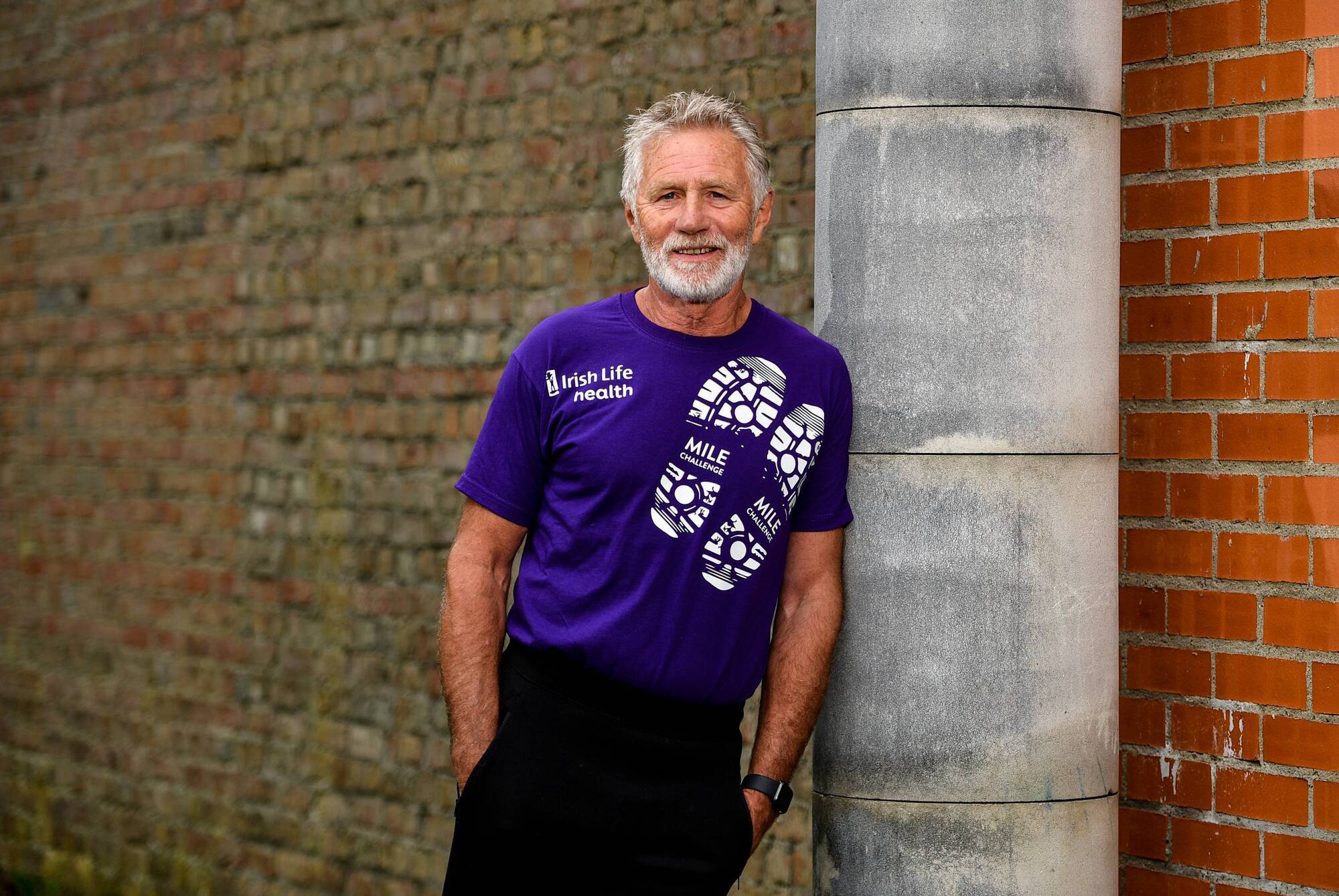
Master of the mile, Eamonn Coghlan. Photo by Sam Barnes/Sportsfile
“I think I’ll take up French.” “Time to dust off those paint brushes.” “I wonder where my old piano books are?” Those were some of my many musings of life as lockdown began in March of this year, a thought very familiar to some of you, who were also searching for some sort of pandemic escapism.
Now, I’m not what you’d call a natural athlete, so you can imagine the surprise of my crusty old runners when I fished them out from the back of the wardrobe.
You know that kid at the back of the group in PE? That kid always picked last? That was me.
But lockdown has turned me into a runner, along with 250,000 people around the country who have also laced up and began running in their local paths, parks and trails. And here I was thinking I was being unique.
But where do I start? Is running only for those Fitbit owners dressed head-to-toe in Gymshark gear?
“Keep it simple,” three-time Olympian Eamonn Coughlan told the . “Whatever your age”. The 67-year-old confidently explained that whether you're new to running or you're a veteran runner entering a new age group, there are ways to make your running program both enjoyable and effective in your 30s, 50s, and beyond.
However, the demands on the body of a 21-year-old are vastly different to that of a 65-year-old. Every decade of our life offers new challenges, whether they are the physical changes or the changing stresses of life paths. If you're new to running or you've had a lengthy break from the sport and feel in doubt, make sure you check with a healthcare professional to make sure you are healthy enough for vigorous activity. Chances are good that they will encourage you to get started, but it's important to get the stamp of approval.
The rules for beginners are the same at any age, “run as long as you can as slow as you can,” says Coughlan.
“For everybody starting out it’s all about training your heart muscle and controlling your heartbeat.” He advises that all ages should begin with interval running. Giving yourself a breather between segments of running allows you to handle more of it, delivering a greater stimulus to your heart, lungs, and muscles.
“Begin with running for 2 minutes without stopping, then walk. Take it slowly and walk when you feel you have to before you know if you’ll have built your way up to maybe 15 minutes of running” Starting slowly is important, and as an older runner, you may need to take it easier than you might have when you were younger and if you started running when you were younger, it can be tough to admit that you’re slowing down with age. And as a 30-something year old, feeling the pressures of the ‘Run 5, tag 5’ trend, it was tough trying not to compare myself to my Instagram counterparts.
“Don’t worry about the distance, concentrate on the amount of time you are out on your feet” “Remember, you’re not training for the world championships,” says Coghlan.
“You’re not preparing for the Olympics. You’re training for your physical and mental health at a very challenging time, to get the endorphins going” Athletics Ireland coach Grace Lynch echoes Coghlan’s advice of “slow and steady”.
“If you have just taken up running, or you are returning after time out, don’t jump straight into the deep end with high mileage and intensity. Build back up slowly each week, with small increments in miles and intensity,” she said, speaking to the Irish Examiner.
“Not only will your body thank you for it, you will be much happier with consistent weeks of training, than doing too much too soon and not achieving your goals. It is so important to take your time and be patient as your body will thank you for it.” I found myself setting small goals to distract myself from fitness influencers both half my age and twice my age cropping up on my feed. While you may not beat the PB they set, achieving ‘slow and steady’ mini-goals helped motivate and give me a serious sense of accomplishment.
One of the most important aspects of a runner’s daily routine is running in the right type of footwear but do we need a fancy kit? Complete with the best app or the latest wearable technology?
“Just a pair of running shoes and shorts,” Coghlan said. “There were no fancy kits back in my day”. Growing up in Drimnagh, with childhood friend former Ireland manager, Brain Kerr, running was only for people in the local athletic clubs, in which his father was involved.
As the “older boys” continued to pick him for their relay teams, he joined his first club, Celtic Athletic Club.
Adding: “We used to count the number of heartbeats on our necks and write them down.” “Any app that tracks your heartbeat is good as your bpm can tell a lot. Again, keep it simple. No need for a fancy kit but shoes, good running shoes are important”.
Lynch recommends “going to a specialist running shoe store, so the staff can guide you through the different ranges.” “Additionally, make sure you replace your running shoes regularly. As you progress and get fitter, a few weeks of training could mean 200-300 plus miles in one pair of shoes. Check the soles regularly for signs of wear. It may be an expense to replace shoes regularly, but it could be a lot more expensive to both your pocket and your physical and mental wellbeing if an injury occurs.” So, turns out at any age, you’re ready ... set … go! I’ll meet you there.


CONNECT WITH US TODAY



Be the first to know the latest news and updates