Mind matters: Free programme helps children with dyslexia
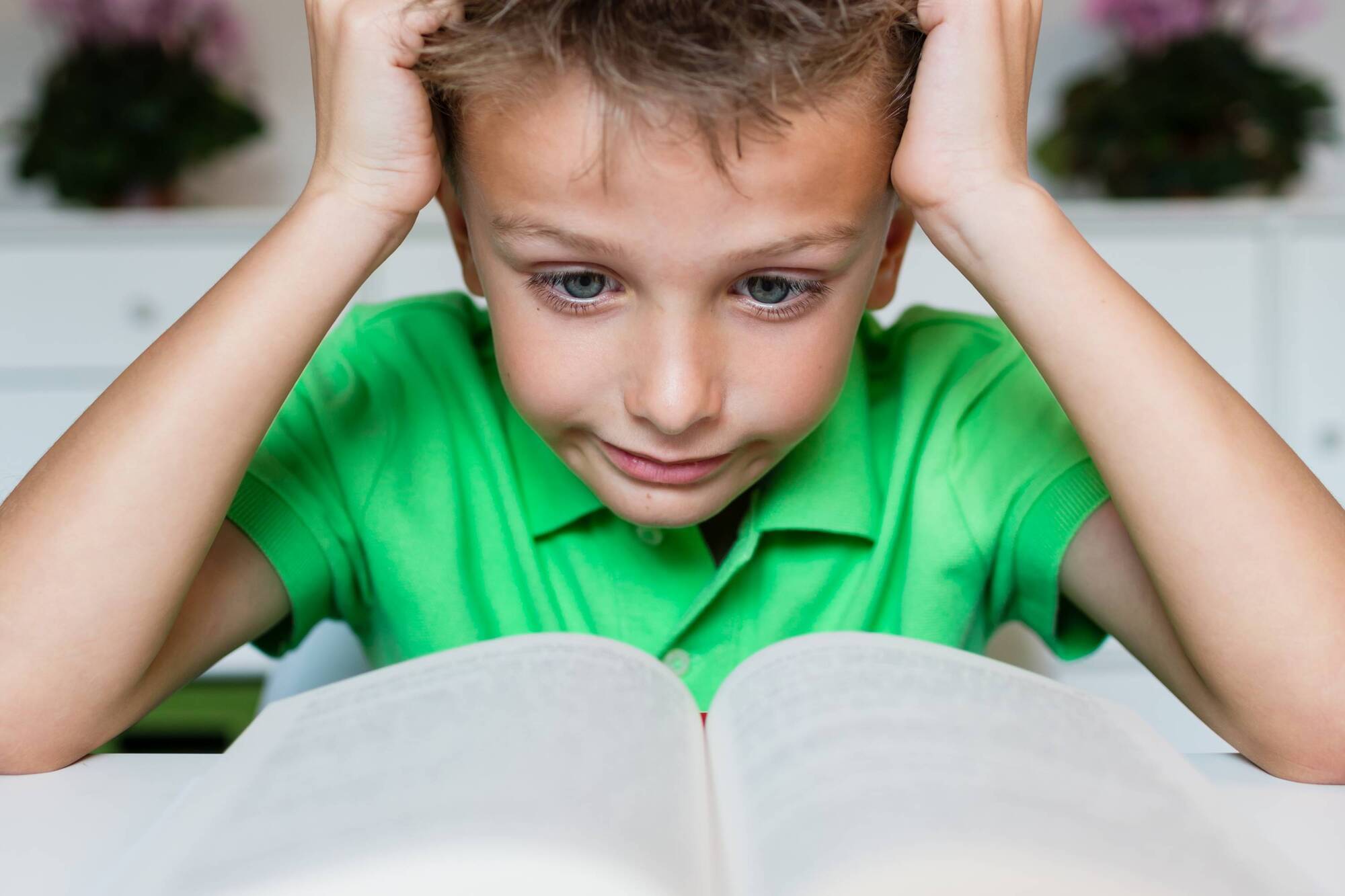
FOR most of us, homeschooling our children during lockdown was stressful. Now – with schools returning and children adapting to Covid-era circumstances – they’ll likely feel further upheaval.
And yet, stress impacts negatively on memory and learning in general, says learning coach Sara Haboubi. An expert in learning diversity, she’s particularly concerned that stress makes dyslexia symptoms more acute.
“The brain isn’t designed to be learning when you’re anxious and stressed,” says Haboubi, who sees learning difficulties not as disabilities but as expressions of neuro-diversity. “They point to discrepancies between how people learn and how they’re taught – a mismatch between what’s being delivered and how the student perceives that information.”
Haboubi says, for over 15 years, educators have increasingly focused on using phonics as the main approach for teaching reading and spelling. However, this system of breaking down, segmenting and blending words isn’t effective for about 20% of students – and it’s not always effective for students with dyslexic symptoms, who may have highly effective visual/spatial skills but struggle with processing sounds.
Dyslexia affects around 10-20% of people – in Ireland, more than 50,000 primary schoolchildren struggle with basic reading and spelling skills. “Even teachers continue to struggle to know how to deal with this ‘high incident’ issue within mainstream classes. Recent research found 97% of teachers agree they need dyslexia training,” says Haboubi.
Nowadays the drive internationally is to recognise the strengths many with dyslexia have, rather than only focusing on it as a learning disability. Haboubi says one big strength common to many with dyslexia is ability to think in a ‘big-picture, global, creative way’. Many have highly developed visual skills.
Haboubi has trained staff in over 25 primary schools in Ireland and delivered a CPD course, approved by Department of Education, in conjunction with NUI Maynooth Froebel Department of Primary and Early Years Education. She has now developed a programme for parents of children with dyslexia, so they can help their child harness their visual skills for reading and spelling, enabling them to master these basic literacy skills in a way suiting how their brains are wired. This can be used alongside any phonics programme the child is following.
The first half of the programme helps children release stress, using a simple grounding technique. The programme’s free to parents for academic year 2020-’21.
- When students fail to learn to read and write along with peers, many feel they’re ‘stupid’.
- This impacts self-confidence/self-esteem, which can lead to lack of motivation, focus/concentration problems and other behavioural issues.
- Parents/children are often relieved to get official diagnosis of dyslexia, but it doesn’t necessarily mean the school can provide an effective solution – other than additional phonics instruction, a system that has already failed the student.
- Jumpstarting system gives students tools for controlling stress levels, thereby helping them access more effective learning state.
CONNECT WITH US TODAY



Be the first to know the latest news and updates