Appliance of Science: How are germs spread?
Germs can be found everywhere on our planet; they are in the air, water, soil and even our bodies.
With the imminent reopening of schools, many adults and children are expressing concerns about the possible spread of the Covid-19 virus.
We have all been bombarded with facts and figures about transmission methods since this pandemic began but this might be a good time to review how this virus, and germs in general, are spread.
Getting the simple facts straight may help ease some of the worries around this new phase.
The term germ typically refers to a micro-organism and when we use the term in everyday language we are usually referring to something that can cause disease.
Germs can be found everywhere on our planet; they are in the air, water, soil and even our bodies.
Germs within our bodies, the ones often referred to as the ‘good germs’, make up our microbiota.
There can be as many as 1.3 germ cells in our bodies for every one of our own cells.
If we look at the spread of germs it is best to specify the spread of harmful germs, that can be bacteria, viruses or microbes (like fungi or protozoa).
In order for a germ to spread it must first have a source to spread from (such as another infected person), a way to spread (transmission) and a suitable host to spread into.
Some can be spread by insects or animals, through infected food or water, through contaminated objects (referred to as fomites), through bodily fluids, or through the air.
When it comes to the spread of germs from human to human, two obvious forms of transmission are through touch and air.
Contaminated hands can spread germs by touching commonly used objects (like door handles) or more directly by shaking hands.
Of course, the germs still need to enter the body, typically through the mouth, nose, eyes or an open cut in the skin.
We often hear terms like droplet transmission and aerosol transmission used around the spread of germs through the air.
Both droplets and aerosols are formed when air passes over a layer of fluid (like saliva).
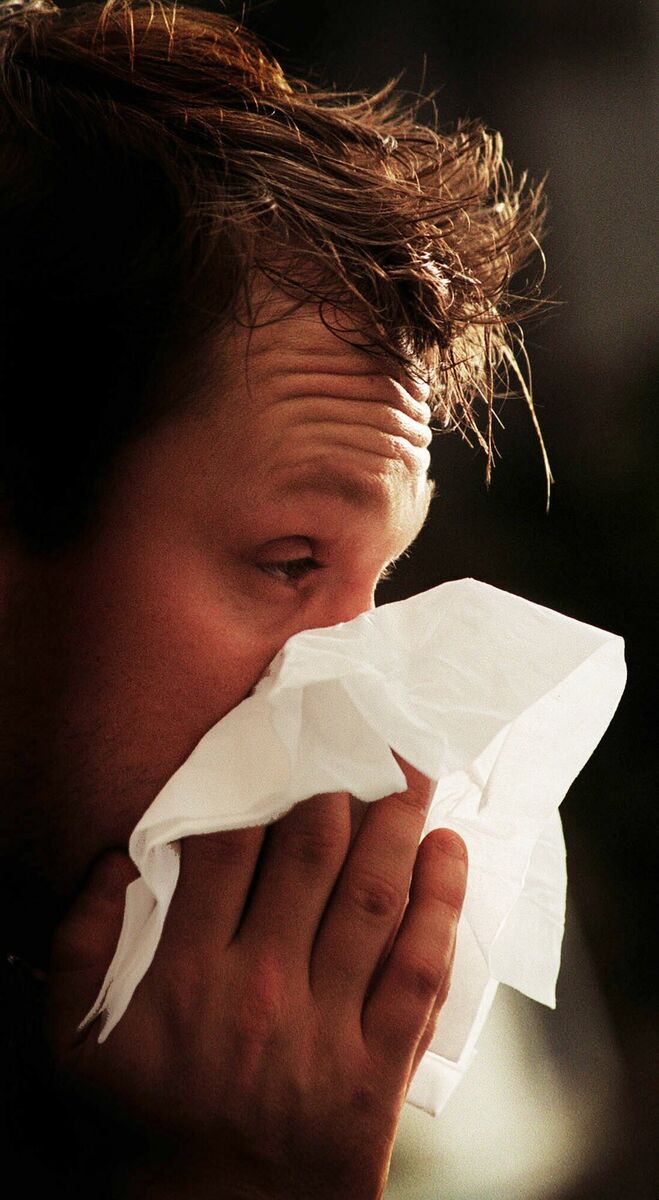
We can produce both droplets and aerosols when we cough, sneeze, talk or even breath.
The main difference between droplets and aerosols is their size, although the exact cut off point is still up for debate.
Droplets are larger and relatively heavy for airborne travel so they tend to drop from the air within a metre of the infected person.
Covid-19 can spread by droplet transmission.
Aerosols, on the other hand, are tiny droplets suspended in a gas, like air; their size allows them to stay suspended in the air for longer.
Infectious aerosols can be created during certain medical procedures and it is likely these could be a source of transmission of the Covid-19 virus.
There is still some debate, however, as to whether aerosols created when an infected person coughs, sneezes or breathes, can transmit the virus.
We can better prevent the spread of specific germs if we know the exact transmission method of that germ.
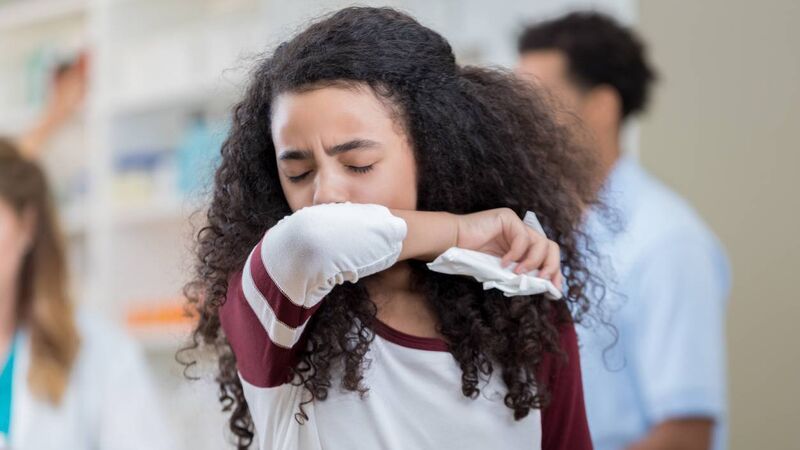
Some points are obvious though, good cough and sneeze etiquette (it really is important to cough into a tissue or your elbow and not your hand), correct and frequent washing of hands, keeping your distance and keeping your hands away from your face; all fairly simple and effective methods to stop germs, like Covid-19, from spreading.


CONNECT WITH US TODAY



Be the first to know the latest news and updates