Dr Doireann: contraception options to suit every woman

Being a woman in 2020 looks a lot different now than it did even 20 years ago; we’re seeing more and more female leaders and CEOs. We still have room to improve when it comes to gender equality in society and the workplace but progress has been made.
We owe a huge amount of that progress to contraception. Contraception gives women bodily autonomy as well as menstrual cycle predictability. It allows for family planning and facilitates women in pursuing higher education or career progression should they so choose.
It’s not just 'the pill' anymore. There’s a wide variety of options available and something to suit each woman’s individual medical, lifestyle and reproductive needs.
Broadly speaking, contraception can be put in three main categories:
- 1. Combined options which include the hormones oestrogen and progesterone
- 2. Progesterone only options
- 3. Non-hormonal methods.
The most commonly used contraceptive method is the combined oral contraceptive pill or “COCP” for short. The pill is taken every morning for three weeks of the month followed by a break. In recent months we’ve started to advise women to take a four-day break or no break at all rather than the traditional seven-day break. A four-day break is more effective than the seven-day break.
Taking a break for a full week was never medically indicated. The reason it was advised initially is that those who discovered the pill 'sold' it as a cycle regulator rather than a contraceptive method in a time when contraception was still controversial. Yet here we are in 2020 with women still taking the seven-day break. Speak to your GP about the new pill-break guidelines.
The COCP is also good for symptomatic treatment of conditions such as premenstrual syndrome, endometriosis, PCOS and acne.
Some common myths about the pill are that it causes weight gain and/or reduces a woman’s fertility — both of which are untrue.
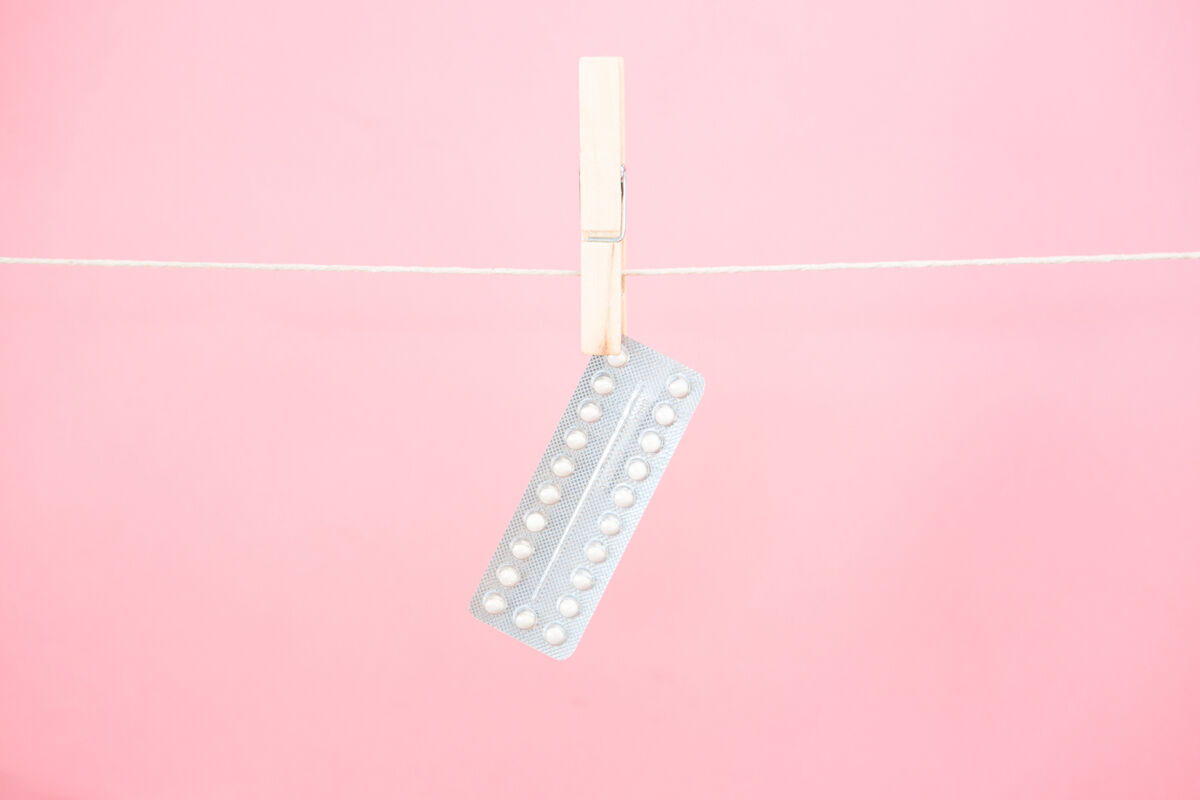
If you’re not good at remembering to take your pill daily or simply don’t like the hassle of it, consider other combined options such as the contraceptive patch or the contraceptive ring.
The patch and the ring deliver the same hormones as the pill but without the hassle of taking a daily tablet. A new patch is put on each week — it’s tiny and discreet. The ring is put into the vaginal vault [the region of the vaginal canal at the internal end of the vagina] once a month — it’s a thin, flexible ring and easily inserted and taken out.
The same break rules apply to the patch and the ring as the COCP; a four-day break or no break at all if you prefer.
It’s also worth noting that some women find they have fewer side effects when using the patch or ring as opposed to the pill. This is likely due to the slow, steady release of hormones over the course of a week in the case of the patch and over the course of three weeks in the case of the ring as opposed to the daily peak and trough of hormones when taking the pill.
In some cases, combined options aren’t safe (for example, in women who have high blood pressure or clotting disorders) so we look to progesterone-only options.
These include the progesterone-only pill, (commonly also referred to as the POP or the 'minipill'), the contraceptive injection, the implant or “bar” and the coil, which I discuss below. With the POP there’s no pill break, it’s taken every day throughout the month. The injection is given tri-monthly.
Long-acting methods such as the implant and the injection are referred to as long-acting reversible contraceptive methods or LARC.
The gold-standard LARC is the coil. It’s a small device inserted into the neck of the womb and which lasts three to five years. There are four types of coil: The Mirena, the Kyleena and Jaydess all deliver locally acting levonorgestrel (52mg, 19.5mg and 13.5mg respectively). These last three to five years. They’re long-lasting and cost-effective. These are useful for the treatment of heavy periods as well as playing a role in HRT for women going through menopause.
The fourth type is the copper coil which is a hormone-free option. However, the main side effects of the copper coil is heavy bleeding or 'menorrhagia' so it’s important to be mindful of that. But again, if a LARC option isn’t suiting you it can be taken out early.
Coils are good if you’re not planning on having children in the near future but haven’t ruled out expanding your family further.
Other non-hormonal methods include natural family planning — there are some great apps to help women with this — and of course condoms which also provide protection from sexually-transmitted infection.
Remember, men can play a role too.
Vasectomy is a safe, quick and effective method of non-hormonal contraception for couples who have completed their family. If the woman has carried and delivered the children then surely the man can turn up for one quick and easy procedure under local anaesthetic in the GP surgery. It’s a lot safer than a woman undergoing tubal ligation (or getting 'tubes tied') which requires general anaesthesia and a hospital admission.
Sometimes women opt for tubal ligation after a caesarean section which is reasonable seeing as she’s already on the operating table.
But in my view, it is unfair for a woman to be expected to attend for TL rather than a man simply popping into his GP clinic for a vasectomy.
Read More


CONNECT WITH US TODAY



Be the first to know the latest news and updates