The glow down: Why some Irish women are ditching the tan and embracing the pale
Angela Scanlon, Roz Purcell and a host of Irish content creators are embracing their natural complexions in a trend being dubbed the ‘glow down’
Kate Demolder explores one of the hottest trends of the year: embracing the pale

Kate Demolder explores one of the hottest trends of the year: embracing the pale

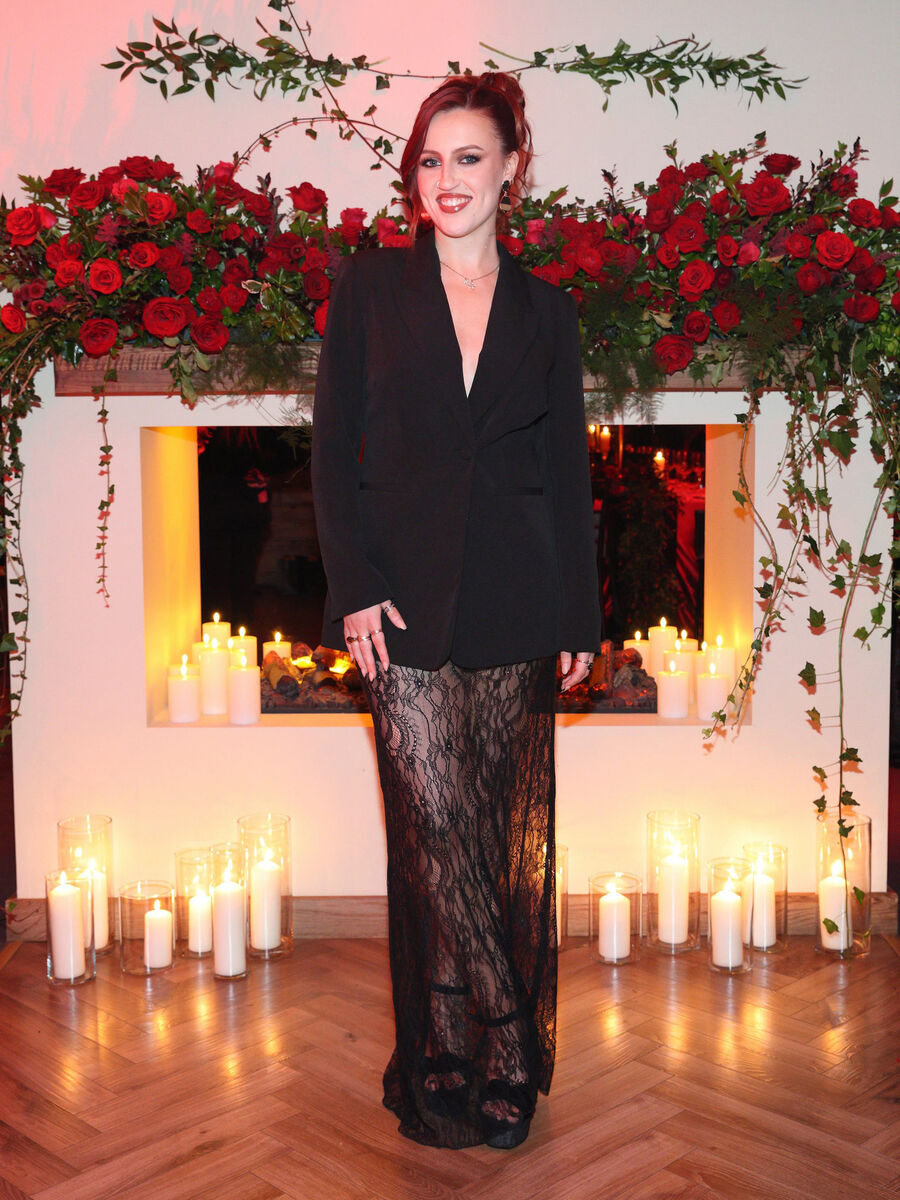
“Age 34, realising I was kind of orange for 20 years and smelled of biscuits,” reads a reel by presenter, content creator, and former model Roz Purcell. “I didn’t hate my pasty skin, I just grew up with fake tanning culture.” Could you ditch the tan? The video’s caption prompted further discussion, with an increasing number of young women in Ireland seemingly answering, yes.

Content creator Roz Purcell has sparked debate on Ireland's fake tan culture following a video she posted to Instagram. Picture: Brian McEvoy

“I felt like I was a bit of a slave to the intensive fake tan routine,” content creator Molly Roberts says.

“If I caught a glimpse of myself pale, I would be so disgusted. I couldn’t think of anything worse than being pale — my natural skin tone — at that point in my life and I remember thinking, this is really affecting my mental health. I decided to give it a break and never went back.”

Echoing a similar tale is Cork-born, Lisbon-based yoga teacher Erica Bracken. “I first started using fake tan around age 14,” she says. “Subtle and natural wasn’t the goal; the deeper the shade of mahogany, the better.”

Routine hair straightening followed a similar trajectory. “In my mind, straightening my hair was the only way to avoid frizz, and to feel presentable.”

Ireland, a country known for its paler skin tones and a climate lacking in sunshine, has the highest per-capita use of fake tan in the world. Though tanning products are thought to have originated as early as the 1920s, industry experts link a modern reliance on products aimed at faking a bronzed appearance with noughties monoculture.

“Tanning products are typically associated with Coco Chanel and her sunbathing in the early years of the 1920s, and the brand later introduced a tanning oil, powder and liquid stain,” fashion and beauty historian Laura Fitzachary says.

Historian Laura Fitzachary: 'Historically speaking, a softer femininity typically follows an economic downturn'

“But I would argue that fake tan peaked again in the early 2000s, after the spray tan became more widespread.”

Exposure to media which highlighted the beauty of a deep, Californian tan caused a shift in Irish beauty standards, argues beauty industry expert and founder of Future Beauty and the Future Men’s Health Show, Liz Dwyer. “Pamela Anderson and Beverly Hills 90210, they were the beauty standards,” she says. “And they are the reason why tan sales continue to go through the roof. Saying that, what I do think is happening is that we’re being exposed to lots of different types of beauty standards today, which is causing people to reevaluate what they thought about their paler skin tones.”

Having a more diverse social media feed definitely helped, Roberts agrees. “I also added a lot of pictures of paler celebrities to my Pinterest board, which really helped me to normalise seeing it for myself.”

According to Dwyer, another reason for the Irish inclination to tan is skin uniformity.

Most Irish people don’t have porcelain skin; they tend to have blue, pink or even green undertones

“A tan tends to even that out and make everything appear more uniform. That’s why a lot of people in Ireland still wear it, and to be quite real about it, that’s why a lot of Irish people are still getting sunbeds.”

Fake tan has historically been seen, both medically and societally, as a safe and acceptable way to maintain a preferred hue over tanning ‘naturally’ outdoors or the use of sunbeds.

But when, in 2024, the EU introduced rules stating that tanning businesses cannot use tanning solutions which contain more than 10% DHA [dihydroxyacetone; a colourless sugar and the main ingredient in modern sunless tanning], worries about bottled tan usage began to spike.

“EU changes were not an actual declaration that false tanning is inherently unsafe,” Professor Niki Ralph, consultant dermatologist at the Institute of Dermatologists, says.

“DHA has been regulated in the US as a colourant, but was not regulated in the EU, so this brings it into line with international standards.”

From a skin health perspective, there are a few positives to people embracing their natural skin tone, Professor Ralph continues. “If beauty standards shift towards accepting fair skin, that could reduce the desire to intentionally tan outdoors or use tanning beds,” she says. “There’s less incentive to chase a darker complexion if natural skin tones are seen as attractive. The key take-home message is that false tans are much safer than a real tan; in fact, the only safe tan is a false tan.”

According to Fitzachary, a widespread pivot from fake tan usage to embracing natural skin tones could indicate a certain shade of economic instability.

“Historically speaking, a softer femininity typically follows an economic downturn,” she says. “There is some sort of solace in the homogeneity of conservatism and conservative values. The socio-political environment that we live in also dictates the economical situations we find ourselves in. For example, if nightlife keeps getting stripped away and becoming more and more expensive, will you need as much tan if you’re not going out as much?”

And yet, the pull to gild the lily remains strong.

 Keilidh Cashell: When I did not wear tan people asked me if I was sick. Picture: Brian McEvoy
Keilidh Cashell: When I did not wear tan people asked me if I was sick. Picture: Brian McEvoy

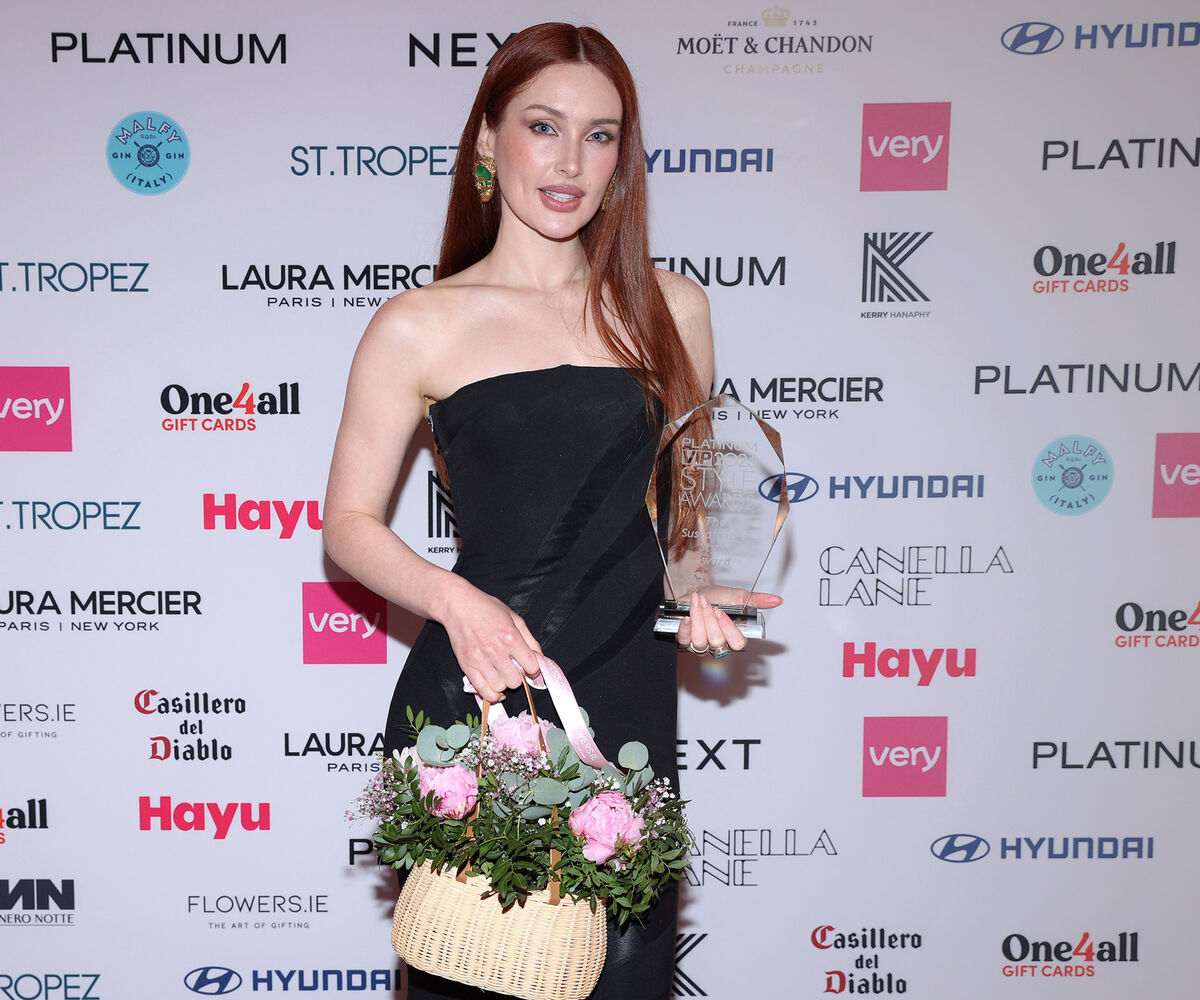
“I used to get the question all the time when I never wore tan: Are you sick?” content creator and KASH Beauty founder Keilidh Cashell says.

“As such, I was shackled to the routine of it. It was my crutch.”

Cashell, who now only wears fake tan on occasion, credits the ability to step away from her former weekly routine to better beauty products for pale skin tones. “I recently went to an awards show and forgot to bring tan with me to get ready. So I just went without it. There was a time when I would have rushed out to get it in a moment like that. Not now.”

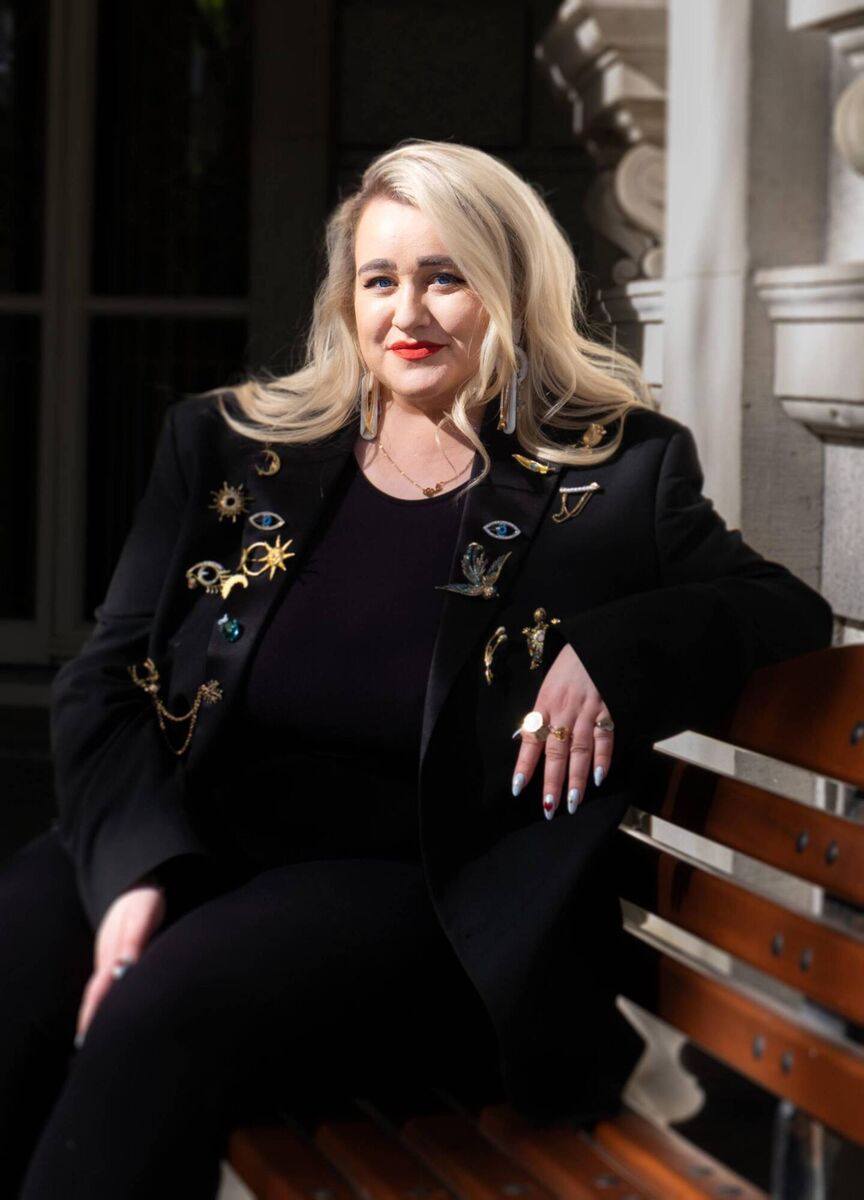
Back in February, Irish television presenter Angela Scanlon posted a Substack article about how, following years of upkeep, bare nails are her new quiet rebellion.

“I was signed up without question,” she wrote. “Not because I particularly loved them, or because they felt like self-expression or creativity or even pleasure. I didn’t sit in the salon chair thinking, this is me. I sat there thinking, this is what you do.”

Like Purcell, Bracken. and Cashell before her, Scanlon came to realise that effort, like beauty, is in the eye of the beholder.

“It should be about what you want,” Cashell concludes. “If you’re doing it for yourself to feel good, great. But as long as it’s not because you feel someone else is telling you to… That’s the main thing.”

Bracken, whose own journey with fake tan fell away following a trip to India in March, agrees, adding that she believes this shift has come by way of a long-awaited turning point.

“Now I can see that the most beautiful version of yourself really does come with embracing who you are, not trying to emulate another version of beauty,” she says.

“My pale skin makes my freckles more obvious, and the contrast makes my blue eyes shine a little more brightly. And moreover, the fact that I am more comfortable in my skin gives me a sense of radiance that no fake tan could offer.”

Read More

41942328;41941524;41937861[#embed7]

More in this section

Lifestyle

Newsletter

Eat better, live well and stay inspired with the Irish Examiner’s food, health, entertainment, travel and lifestyle coverage. Delivered to your inbox every Friday morning.

Cookie Policy Privacy Policy Brand Safety FAQ Help Contact Us Terms and Conditions

© Examiner Echo Group Limited