The Skin Nerd: How to find the best serum for your skin and how to use it
The Skin Nerd: How to find (and make the most of) the serum of your dreams
With the power to make a visible difference to the results you are getting from your skincare regime, a serum is what I would consider the most splurge-worthy product in your routine but that doesn’t make shopping for one any easier. Dedicating the largest portion of your skincare budget to one product makes it more important that you a) find the best one for you and b) know how to use it to its maximum potential.
We all know that the skincare market can be a minefield and it can be understandably overwhelming making a choice when there are new serums cropping up every day, but I urge you not to give up on your search! With the potential to bring long-lasting, accumulative results, finding the serum for you is well worth the research and to guide you on your journey, I am about to provide you with inside intelligence on most important things you need to know about this game-changing category of skincare product.

Packed full of active ingredients, a serum is like a concentrated moisturiser and this potent blend of ingredients allows them to target specific skin goals. One of the key benefits of serums is their effective active ingredient delivery system – as they tend to have a smaller molecular size/weight than moisturisers, meaning that they can penetrate further into the epidermis than moisturisers.Â
Another benefit is that it is also easy to blend multiple serums to target different goals. There are many different types of serums you can use depending on your skin goals: hydrating, antioxidant, brightening, vitamin A, repairing and more.
I consider an effective serum a key part in the route to good skin health, but it is important that you know what they are used for to find the one for you:
Go for goal rather than skin type: When shopping for a serum, it pays to shop for your skin goal rather than skin type. Consider the role they will play in your regime and what other products you would like to layer with them. I always reach for serums that contain vitamin A to re-educate the skin, hyaluronic acid to hydrate, and vitamins E and C for vital antioxidant protection.
Work with your budget: It makes sense that the product containing the most active ingredients and science is also where the biggest portion of your skin budget should go but that doesn’t mean you have to pay a fortune. Many serums are also multi-purpose which means they can treat, protect and correct to target a few concerns at once and this might be preferable if you want to streamline your routine and save buying multiple products. Lots of multi-purpose serums sit around the €30 - €40 price point on the low end, up to the €90 bracket within the mid-range and more if you’re going for ultra-luxury.
Match the active ingredients to your skin goal: For added skin protection, I suggest incorporating vitamin C into your daily morning regime. This brightening hero will not only address pigmentation, but it’s an incredible antioxidant with the power to limit any damage caused by free radicals that are triggered by UV exposure or pollution. For the evening, I swear by vitamin A: a transformative ingredient with antioxidant and anti-inflammatory properties that is clinically proven to help acne, fine lines, oiliness and hyperpigmentation to name a few! Put simply, vitamin A stimulates collagen production, increases the rate of cell turnover and regulates excess sebum production.
Get one that you can use around the eye area too: Eye creams featuring vitamin A, vitamin C, peptides and caffeine can be beneficial for those really looking to target dark circles and fine lines but if your facial serum already includes these and is safe to use under the eyes, you should be able to skip eye cream. It’s important to note that not all serums are suitable for use in the delicate eye area. If they are, they will clearly be labelled as ocular tested. This term means that it is safe to use around the orbital area. Just be sure not to get it in the eyeballs!
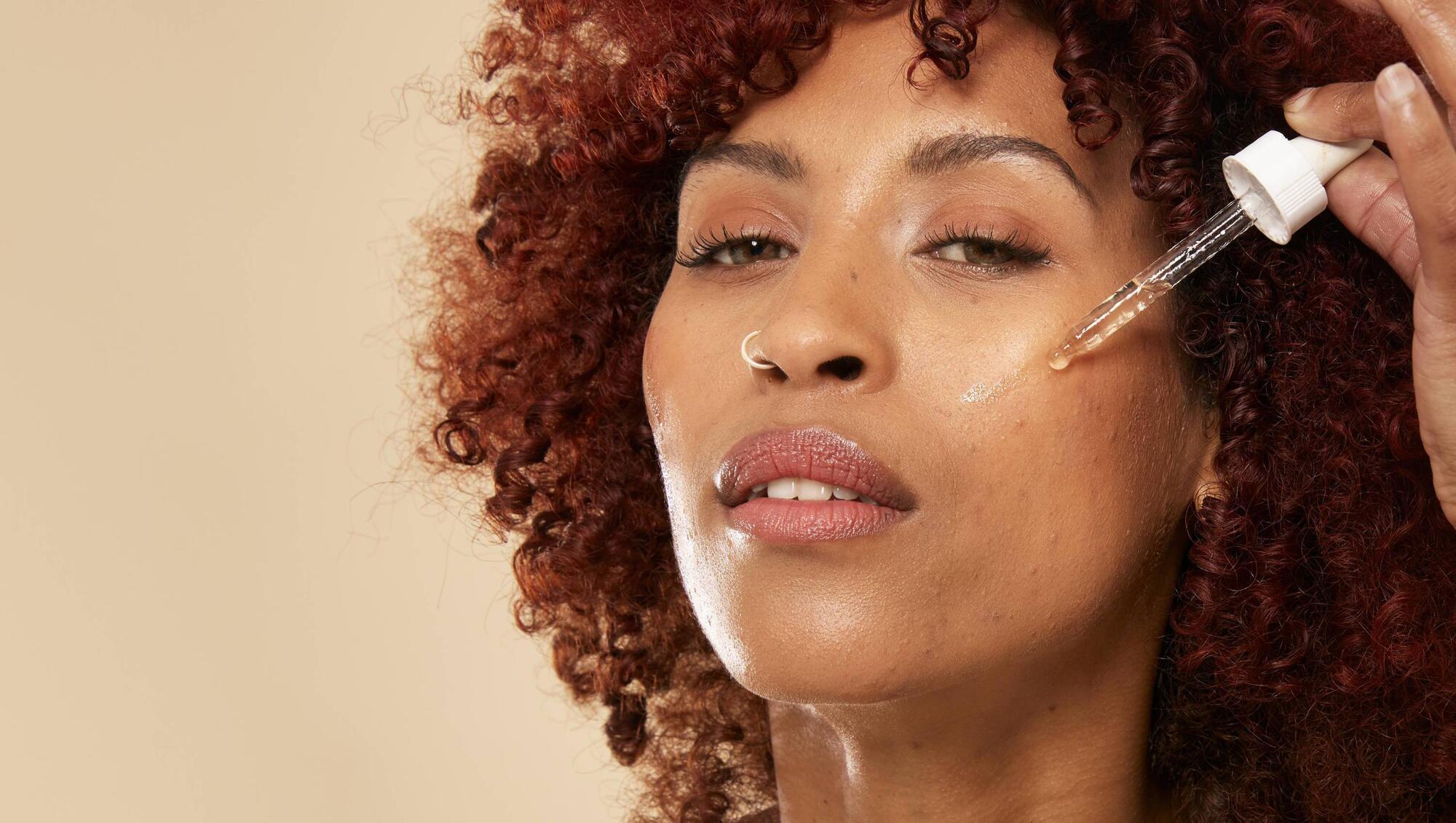
Apply serum directly after cleansing and to damp skin, as damp skin has been shown to help increase absorption slightly. You only need a small amount (about as much as 3 small peas per application).Â
Pop one drop on your forehead and each cheek and smooth across (you need less than you think). Pop one drop on neck and smooth down to your décolleté.Â
And always press or pat into the skin rather than rubbing. If you are using additional hydrators, apply these afterwards and of course always follow with your daily application of SPF during the daytime.
Now, it’s perfectly fine to shop around for a serum AND layering serums can also be beneficial but here is a brief guide to the most in-demand serums in skincare...
- Vitamin A serum: your vitamin A serum delivers a form of vitamin A (e.g. retinol, retinyl palmitate, retinaldehyde) to the skin to help repair, protect, thicken the skin of the epidermis and tackle pigment and oil issues. Try: Skingredients Skin Protein Anti-Ageing Retinoid Serum (€55, skingredients.com).
- Hydrating serum: your hydrating serum works to hydrate the skin deeply, usually containing hyaluronic acid. Try: Zelens Hyaluron Intense Hydro-Plumping Serum (€90, theskinnerd.com).
- Antioxidant serum: protects skin from pollution and free radical damage daily and nightly with ingredients such as green tea or vitamin C, for example. Try: ASAP Skincare Super C Serum (€38, asapskincare.ie).
- Brightening serum: helps to inhibit enzymes that can cause/exacerbate pigment and brighten pigment and uneven skin tone with ingredients such as vitamin C, niacinamide, hexylresorcinol, succinic acid or liquorice root extract, for example. Try: IMAGE Skincare Iluma Intense Facial Illuminator (€88, imageskincare.ie).
- Pro-ageing serum: works to tackle the signs of accelerated ageing including lines, wrinkles, texture, sagging and dullness, often containing ingredients such as vitamin C, vitamin A, vitamin E and peptides, for example. Try: NeoStrata Comprehensive Retinol 0.3% Night Serum (€78.95, neostrata.ie).
If your skin isn’t especially dry and you choose your serum carefully to ensure you can get enough nourishment from the formula, you may find you can skip the additional cost and shelf-space that comes from housing a moisturiser. In my opinion, a moisturiser hydrates and brightens the upper layers of the skin, whereas a serum provides the upper layers of the skin with the ingredients it needs to do it itself.