The Skin Nerd: How seasonal allergies can affect the skin
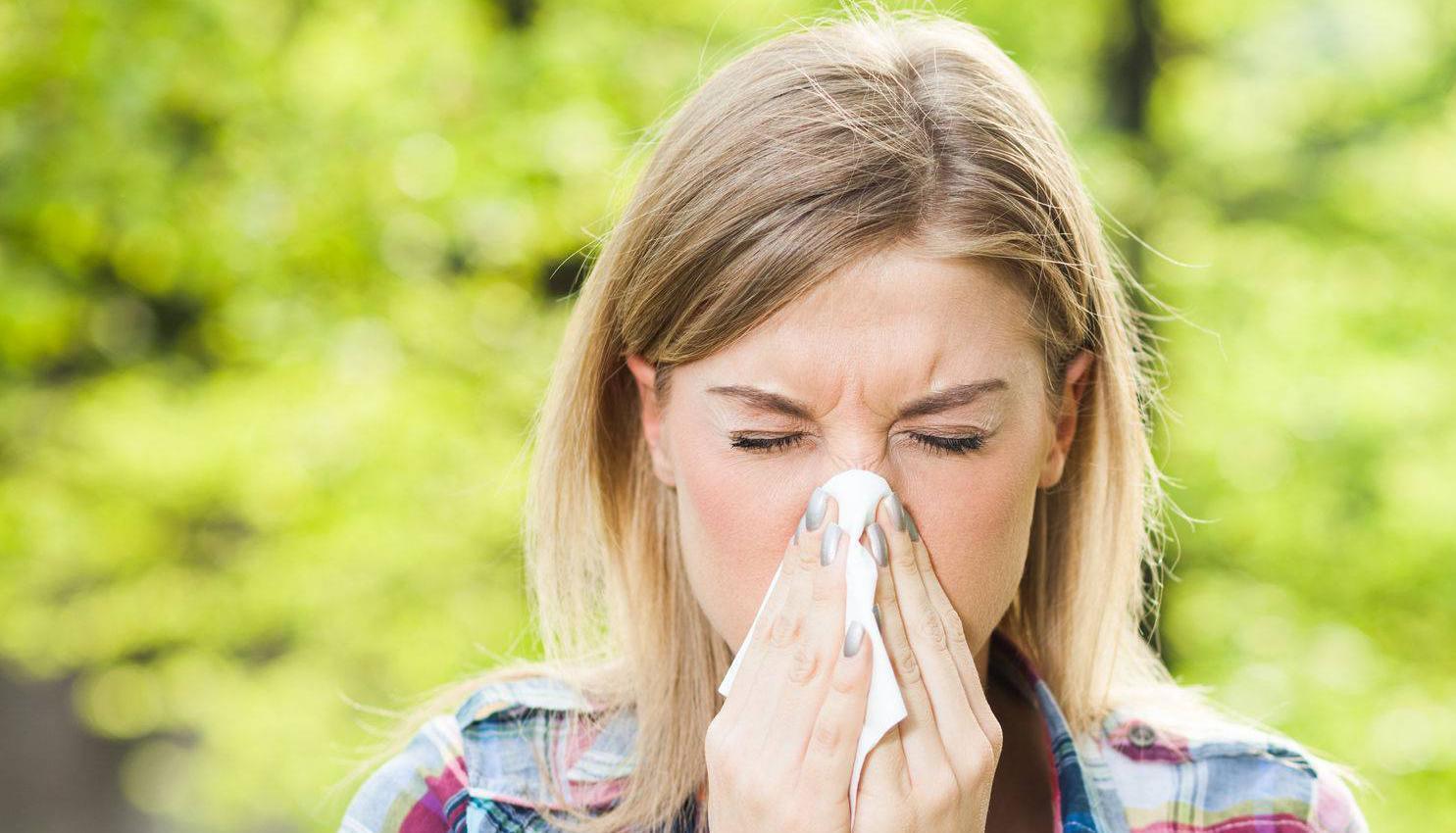
Increased exposure to pollen can have a big impact on skin health for those with hayfever, causing inflammation, irritation, redness and dryness. Alongside this discomfort, exposure can also compromise the delicate skin barrier, which is left feeling sore and looking dull
Now, I don’t like to complain about the sunshine, but this season is proving a challenging one when it comes to keeping our complexions happy. Unless we have all gotten a little more irritable, prickly heat seems to be taking near permanent residence on our skin and hayfever has well and truly gone mainstream with red seemingly becoming Summer’s new smoky eye.
It’s not just our imaginations — visits to Britain's NHS hay fever information page increased by 252% in the past five weeks from 34,878 visits during the first week of May. The Met Office also recently issued a warning over high levels of pollen, suggesting that we were likely to reach the top ‘very high’ ranking. And those of us who suffer from hayfever, are suffering. Whilst even those who are unaffected are likely to be familiar with the most common symptoms such as red, itchy eyes, and sneezing, the effects on the skin are less talked about but can be equally as uncomfortable, and this is where I come in!
Hayfever is an allergic reaction to pollen, which is a fine powder produced by grass, trees, flowers, and weeds. Increased exposure to pollen can have a big impact on skin health for those with hayfever, causing inflammation, irritation, redness and dryness. Alongside this discomfort, exposure can also compromise the delicate skin barrier, which is left feeling sore and looking dull.
But what is happening underneath the skin? Common, uncomfortable symptoms such as sneezing and itchy eyes are caused when the immune system overreacts to an allergen (in this case, the pollen) entering the body and triggering the release of histamine. As skin conditions such as psoriasis and eczema are also linked to the immune system, anyone suffering from these conditions is likely to notice a flare-up in these symptoms too.
Use sensitive formulas: if you already have sensitive skin, having hayfever can magnify any discomfort. Stick to fragrance-free skincare formulated for sensitive skin such as the La Roche Posay Toleriane Ultra range, which is the first skincare range to be approved by Allergy UK.
Be gentle with your eyes: We know it is difficult but try not to rub hayfever stricken eyes as this can lead to further irritation and redness. Talk to your pharmacist or GP about suitable eye drops to reduce any discomfort and use only the most gentle, soothing formulas when you remove eye makeup.
Tackle itchiness: Calming skincare should be used alongside antihistamines to minimise itchiness. Avoid scratching as much as possible as scratching can release histamine, making the skin itchier and leading you into an irritably itchy cycle! Avene Tolerance Control Soothing Skin Recovery Cream (€26.50, theskinnerd.com) is a great addition to facial skincare as it contains ultra-calming D-Sensinose™ — a post-biotic active ingredient that relieves sensations of discomfort and helps to pacify and restore the skin barrier.
Keep on top of hydration: Pollen can cause the skin to become dry and inflamed, leading to rough texture and dehydration. This means that regular hydration needs to be an even more essential part of your regime. Look for products that nourish without overloading the skin such as hyaluronic acid. This hard-working humectant attracts and retains moisture in the skin and a serum formula such as Skingredients Skin Veg Hyaluronic Acid Hydrating Serum (€55, skingredients.com) is ideal as it packs a major moisture punch but is light enough to still leave the skin feeling fresh.
Hayfever is one form of allergy but what other conditions can be triggered in the summer months?
"Photodermatosis is a group of skin conditions that are triggered by exposure to sunlight or other sources of ultraviolet (UV) radiation," explains Professor Nicola Ralph, dermatologist at The Institute of Dermatologists Ireland.
"These conditions are characterised by an abnormal reaction of the skin to sunlight, which can cause symptoms such as redness, swelling, itching, and a rash."
Some common types of photodermatosis include:
: "The most common photodermatosis that causes an itchy rash on sun-exposed skin. PLE is most common in people with fair skin and typically occurs in the spring or early summer within 24-48hrs of exposure to UV. It can affect up to 20% of Irish females and presents as 'itchy bumps/red spots' on sun-exposed sites which gradually improves over weeks."
: "A rare type of photodermatosis that causes hives or welts on the skin after exposure to sunlight. It can also present as a generalised swelling/sunburn like reaction of the skin within mins-hours of exposure to the sun and resolves within hours of going indoors."
: "This is a rare genetic form of photodermatosis that causes intense itching and small papules (spots) on sun-exposed skin. It is more common in Native American and Inuit populations. It can affect people of all ages but often present in childhood/prepuberty. If severe it can result in scarring due to scratching at the skin."
: "Certain medications, such as antibiotics and diuretics, can make the skin more sensitive to sunlight and trigger a photodermatosis."
Treatment for photodermatoses varies depending on the specific condition and may include avoiding sun exposure, using sunscreen, wearing protective clothing, and taking medication to control symptoms.
"Antihistamines are medications used to relieve allergy symptoms, such as itching, sneezing, and runny nose, by blocking the action of histamine, a chemical released by the body in response to an allergen," explains Nicola. They can also be used to treat other conditions, such as hives, itching, and some types of skin rashes.
: "Antihistamines are commonly used to relieve allergy symptoms, such as itching, sneezing, and runny nose, caused by hayfever, dust mites, or other allergens."
: "Antihistamines can be used to relieve the itching and redness associated with hives, a common skin condition characterized by itchy, raised welts on the skin. The doses required to treat hives are often much higher than those used for hayfever symptoms."
: "Antihistamines can be used to relieve itching caused by a variety of skin conditions, however they are not very effective in treating those with eczema and are often prescribed at night more for their sedating properties rather than their antihistamine function. Other conditions such as insect bites may also be treated with antihistamines."
It's important to note that antihistamines can have side effects, such as drowsiness, dry mouth, and dizziness, and may interact with other medications, so always use them as directed by your doctor and they and sedating antihistamines are used with caution in the elderly or those with impaired renal function.
"Atopic dermatitis (AD), also known as atopic eczema, is a chronic inflammatory skin condition that often runs in families with a history of allergies or asthma," explains Nicola.
"It typically appears as dry, itchy patches of skin that can become red, swollen, and cracked. It is usually diagnosed based on a patient's medical history, physical examination, and symptoms. It is common in children affecting approximately 1 in 5 Irish children and up to 10/11% of Irish adults."
CONNECT WITH US TODAY



Be the first to know the latest news and updates