The Skin Nerd: Plump up the volume - mind your collagen
Pic: iStock
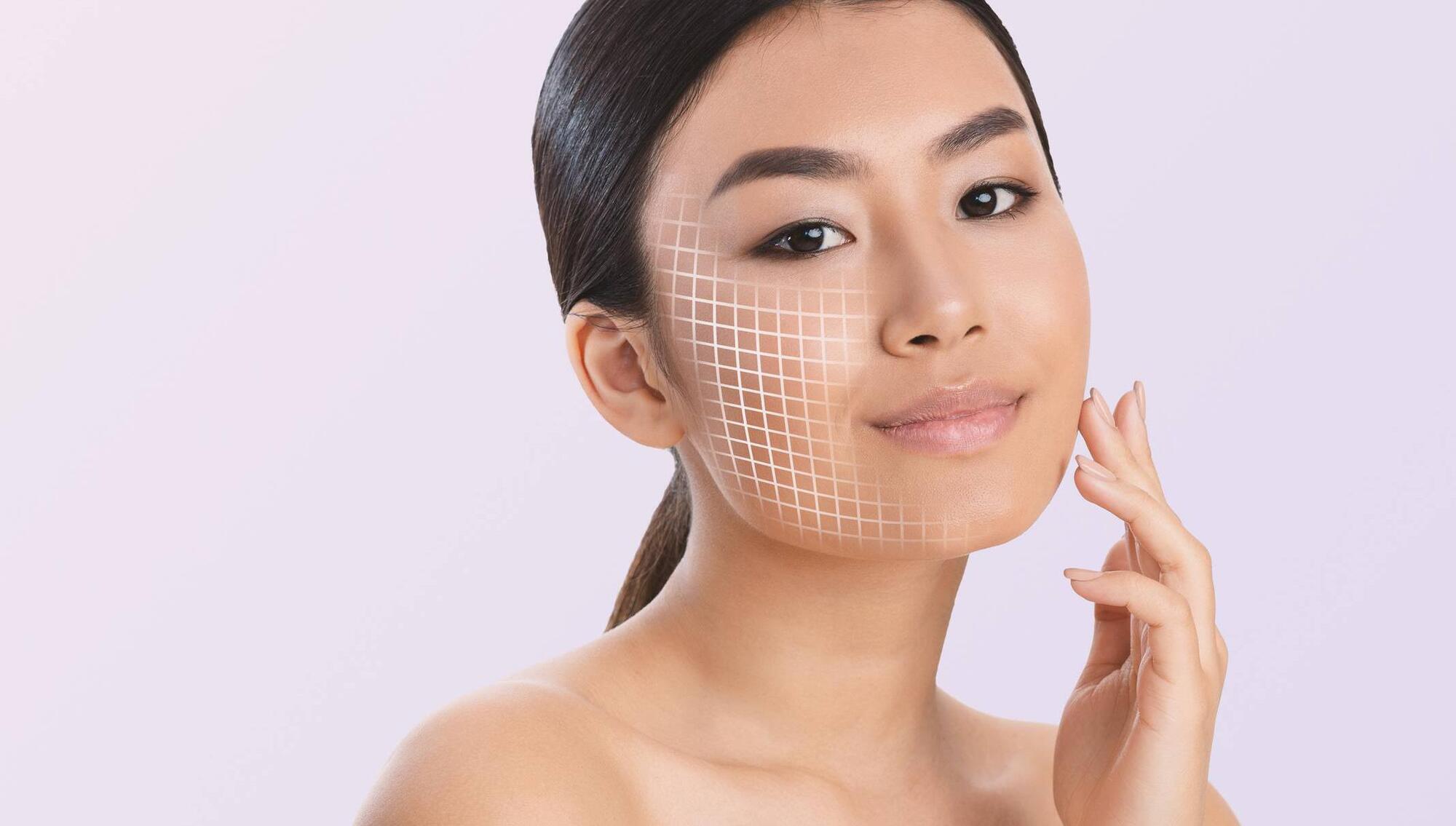
Plump, healthy-looking skin is always desirable, and collagen has long been considered the make-or-break component when it comes to achieving it. Widely held as a skin saviour, collagen is a key skin component that keeps our complexion plump, firm and hydrated as well as giving it its 'snap'. Collagen is a structural protein — in fact, it’s the most abundant protein found in the human body. It is often referred to as the skin’s ‘scaffolding,’ or has been likened to a mattress frame. If the ‘frame’ or ‘scaffolding’ is no longer intact, the skin starts to break down (as the mattress or building would,) resulting in fine lines and wrinkles. To get nerdier... collagen helps to form a network of cells called fibroblasts within the skin and these encourage new skin cells to grow. It also plays a key role in the process of replacing and restoring dead skin cells, which is important when it comes to wound healing.
After the age of 25, the rate our body produces collagen begins to slow and continues to decline as we age. You may notice that your skin loses its plumpness and spring. Subsequently, the structure of the skin tends to weaken after collagen degradation, resulting in the formation of fine lines, wrinkles and increased skin laxity. You may also find that the skin experiences dryness with a 'crepey' appearance.
For menopausal women, the supply of collagen significantly declines but there are also many extrinsic (aka environmental) factors such as UV exposure, smoking, pollution and a poor diet that can also accelerate the process of collagen and cause premature skin ageing. Notably, exposure to the sun’s harmful rays is believed to account for 80% of visible signs of skin ageing. The sun’s UVA rays trigger the skin to enter a state of oxidative stress, which results in free radicals attacking the skin’s collagen and elastin fibres — another structural protein responsible for keeping the skin firm.
One of the best ways to protect our skin and its collagen supplies is to wear a daily broad-spectrum SPF. For maximum protection, I advise that you apply a broad-spectrum SPF in the morning as the last step in your skincare routine and then continue to reapply your chosen SPF every two hours if you’re in direct sunlight, as advised by the Irish Cancer Society.
Topical skincare that contains antioxidants can also make a difference. Collagen itself is too big to permeate the skin and contribute to skin health, which is why we use topical skincare with ingredients that boost collagen production.
Hero ingredients like vitamin C and green tea extract help to neutralise free radicals by giving them a spare electron — therefore preventing them from damaging collagen fibres and triggering premature skin ageing. Vitamin A is another ingredient to look for. Vitamin A is an antioxidant that re-educates the skin and boosts cell renewal, also prompts the generation of collagen in the skin for a plumper, firmer complexion. Another option is to use a skincare product containing peptides. Peptides are short chains of amino acids, which make up key proteins in our skin. Peptides have the important responsibility of sending crucial messages to our fibroblasts to synthesise proteins like collagen and elastin — the precise skin components we are looking for in bucket loads.
Ingestible collagen spends its time in and out of fashion, but I think that it is important to emphasise that they are not a magical ‘potion of youth'. The jury is still out on whether these are truly effective — there simply has not been a substantial number of studies that prove a direct link between collagen supplements and healthier, plumper skin yet. If you would like to try a supplement though, I would encourage you to invest in those containing ingredients that will promote the synthesis of collagen, such as hero antioxidant vitamin C. Research has found that ascorbic acid, a form of vitamin C, is effective in the stimulation of collagen expression. To simplify, vitamin C helps to direct the assembly of collagen — our hero structural protein!
Just as I would recommend for general skin health, I also suggest that you eat a healthy, balanced diet including lots of fruit and vegetables and plenty of protein. This is important when it comes to collagen as our bodies cannot produce collagen without the necessary amino acids that we get from our diet to process them. Unfortunately, foods that contain lots of collagen include bone broth, chicken and fish — all of which are not suitable for vegans. Alternatively, you can boost collagen production by consuming vitamin C-rich foods such as oranges, spinach and tomatoes — or zinc — such as nuts, seeds and wholegrains.
Microcurrent therapy is relatively new to home skincare routines but has been used in salons for decades, often rated highly for its effectiveness at increasing how toned the skin appears, making it especially useful for lax or slack skin.
Microcurrent therapy uses low voltage currents to tense and relax facial muscles and encourage the stimulation of skin proteins, collagen, and elastin primarily for plumper, more elastic skin.
Whilst we take care of the upper layers of our skin and our lymph system, the underlying muscle is often neglected. Outside of facial massage, microcurrent is the other key mode of manipulating this muscle for skin benefits.
Evidence on at-home microcurrent devices is scarce, but we have seen great effects personally.
Take note that the results of microcurrent tools need to be constantly refreshed by consistent use and whilst there are some at-home microcurrent devices on the market, these are not as strong or effective as those you will find in clinics or salons.

CONNECT WITH US TODAY



Be the first to know the latest news and updates