Cost of living: Here are eleven ways to save money on clothes this autumn

A new season may be the perfect opportunity to consider your current wardrobe before your start to browse your favourite clothing sites.
In recent years, with online shopping at our fingertips, many of us now find ourselves with quite the clothing collection. But between the cost of living crisis and the ever-increasing evidence of the harm of fast fashion on the environment, there has been an evident change in consumer habits.
“There’s been a huge increase in sustainability from all aspects. Definitely, the younger client we have is very aware of the environment and staying as green as they possibly can while also retaining some individuality," explains Siobhan Quinn, Franchise Manager at the Zip Yard. "In terms of sustainability, upcycling, recycling things, buying second-hand — there’s been a huge shift towards that."
With each of those methods in mind, there are countless ways we can save money on clothes and avoid adding to the pile of garments hiding in the back of the wardrobe that we know we will probably never wear.
So, as we enter the autumn/winter season, what can we do to save money on clothes?
As we move into the new season, it might be the perfect opportunity to consider your current wardrobe before browsing the ‘new in’ section of your favourite clothing site. Winter coats, jackets and jumpers that you already own can be amended or competely transformed.
“We have people who shop in their wardrobe every year,” says Siobhan Quinn. “They’re looking at a coat that they may have worn last year, they might want to add a new collar to it or change the buttons. Very subtle simple changes can really re-work a garment to give it longevity.”
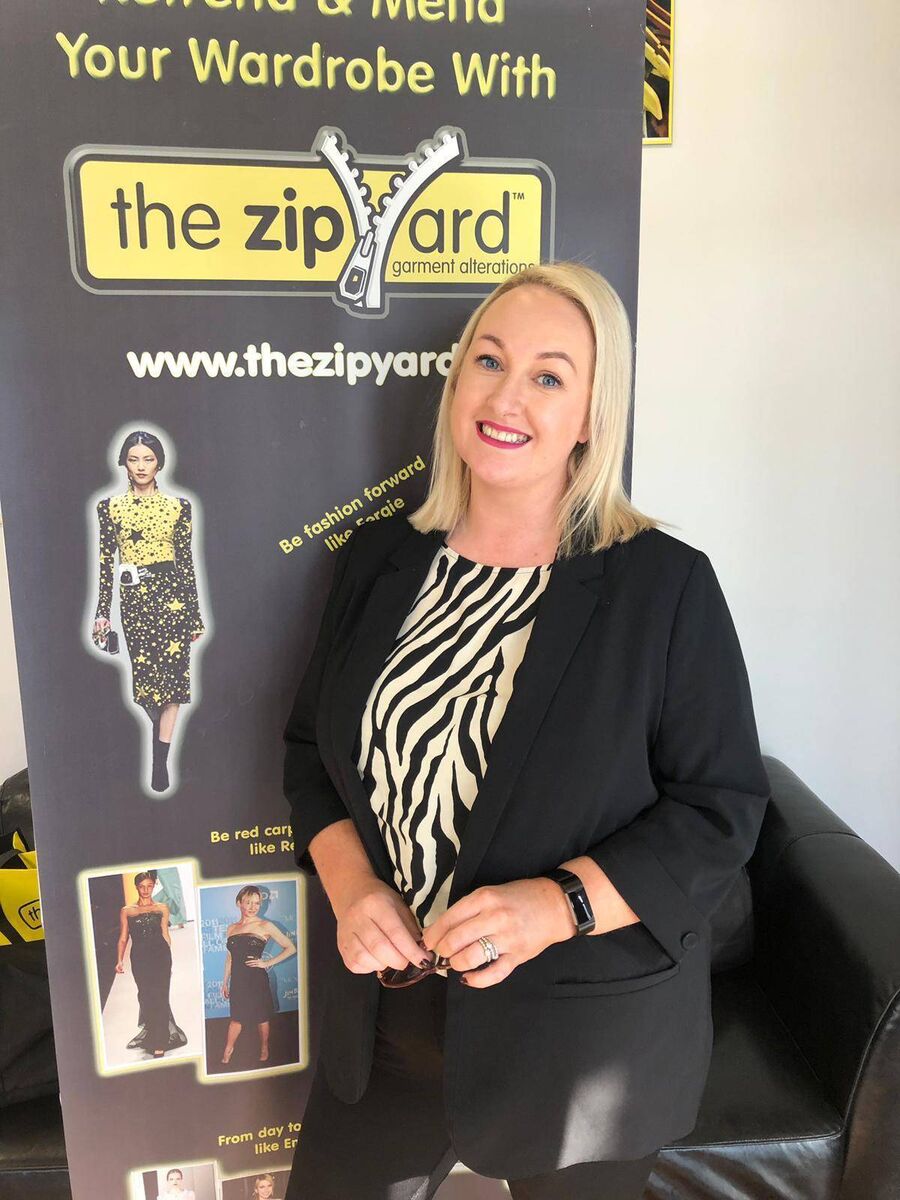
Don’t bag up those summer dresses just yet. Changing up a simple dress into a stylish two-piece can bring some versatility to your wardrobe and adding another detail like sleeves or a collar can help to bring it into the autumn/winter season.
“We do a lot of people taking their dresses from summer to winter. They may have a summer dress that’s sleeveless and then we could possibly add a sleeve to it. It turns it from a more casual outfit into maybe something they could wear going into the office,” says Siobhan.
“People are turning a simple dress into a co-ord so then you get longevity from that because you can wear the top with the skirt if you wish or else you can wear it with jeans, different trousers, different skirts and vice-versa.”
By making simple adjustments or adding a small detail, like a button, Siobhan reckons you can get 12 months wear out of a garment or bring it from casual to dressy.
“You can take three very simple polo necks and add a little detail to the sleeves, like a little pearl button or something can make it go from very simple to very dressy,” she says.
For the kids, Siobhan suggests holding on to old school uniforms. It’s easy to tweak them to fit a younger sibling or cousin and if a child outgrows a pair of trousers, the fabric can then be used to add patches if there is a rip or a tear on their new pair.
“If there are two or three kids in a family and they’re passing down uniforms from one child to the next, all it takes is some tweaks to take it in at the waist or let it out on the waist and it's very cost-effective.”
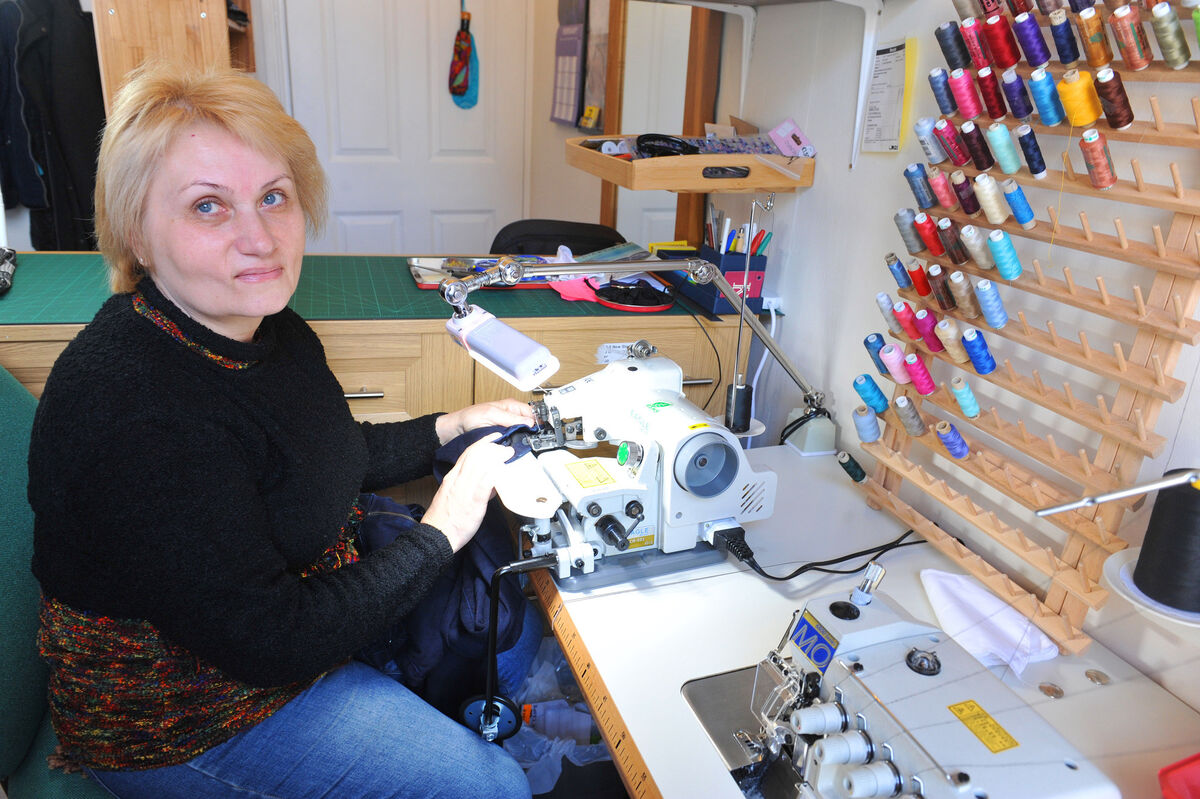
In a past life, Olga Voytenko was a musician and worked in the Philharmonic orchestra. But now, she is pursuing her passion, giving garments a second life from the Sewing Studio in Cork city.
Olga, who is an asylum seeker from Russia, says she sees many customers with clothing that has been passed down from generation to generation.
At the end of each season, Olga suggests checking your clothes and repairing them then if necessary to ensure they last. If packing away last season’s clothes, she recommends storing them carefully and in the correct conditions.
“For winter clothes, it is important that all buttons are in place and zippers work properly,” she adds.

Limerick designer Aoife McNamara has noticed a shift in consumer habits since she set up shop in 2019.
“I think everyone is sick of throwaway fashion and having a garment for one wear and then not being able to wear it again,” she says.
It was during her early teens that Aoife got her first sewing machine and began mending her own clothes, which is one of the best ways to help your garments stay in use for longer. If something like a button breaks — it’s an easy fix.
For those looking to start mending for themselves and avoid buying new, her advice is simple: Don’t overcomplicate it.
“Even if it’s just a button…it couldn’t be simpler once you have something like YouTube or something like that in front of you and all you need is a needle and thread.”
But before we make it to the mending stage, Aoife notes the importance of correctly caring for a garment to ensure it remains in the best condition for as long as possible.
“Every material has a different weight, a different texture so that means it needs to be washed at a different temperature and also some can’t even go into the washing machine. Once you get the knowledge behind your garment, I think it’s just figuring out what is right for it,” she says.
When it comes to stains, Louise O’Dea, owner of the Laundry Basket on Barrack Street in Cork city, is a bit of an expert after 15 years in business.
For stain removal, it is all about acting fast. If you can treat a stain instantly, even with a wet cloth, Louise says it has a much better chance of being removed.
“We do a lot of wedding dresses and when they’re not cleaned, they will get this kind of yellow thing around the edges and brides, they wear fake tan — that will come out easy if it is treated straight away,” she explains.
“But if you leave something for too long, it’s going to be harder to get the dirt or the stain out.”
Some stains will come out with very simple solutions that are well worth a try before heading to your local dry cleaners. Other common stains, such as mildew, are never going to come out. Mildew, she explains, is damage and while it may fade, it will never fully be removed.
Revealing one of her top stain-removal tips, she says: “Fake tan is greasy — grease-based, oil-based — washing up liquid works wonders on it.”
Like Limerick designer Aoife, Louise says some fabrics will need to be treated with the utmost care to ensure they keep.
“You’ve to be very careful with wool. If you’re going to wash wool, it will have to be on a delicate cycle on a very low temperature. Don’t put it in the drier, you have to let that drip dry or dry it flat if it’s a jumper because you don’t want the weight dragging it down on the hanger.
“Things like polyester, you can wash away. Polyester is just magic, you can do anything with it."
Louise also notes the importance of looking at care labels and instructions, which she says can actually help to save money.
“A lot of people hand in stuff for dry cleaning that they could do at home. They could save themselves the price of it.”
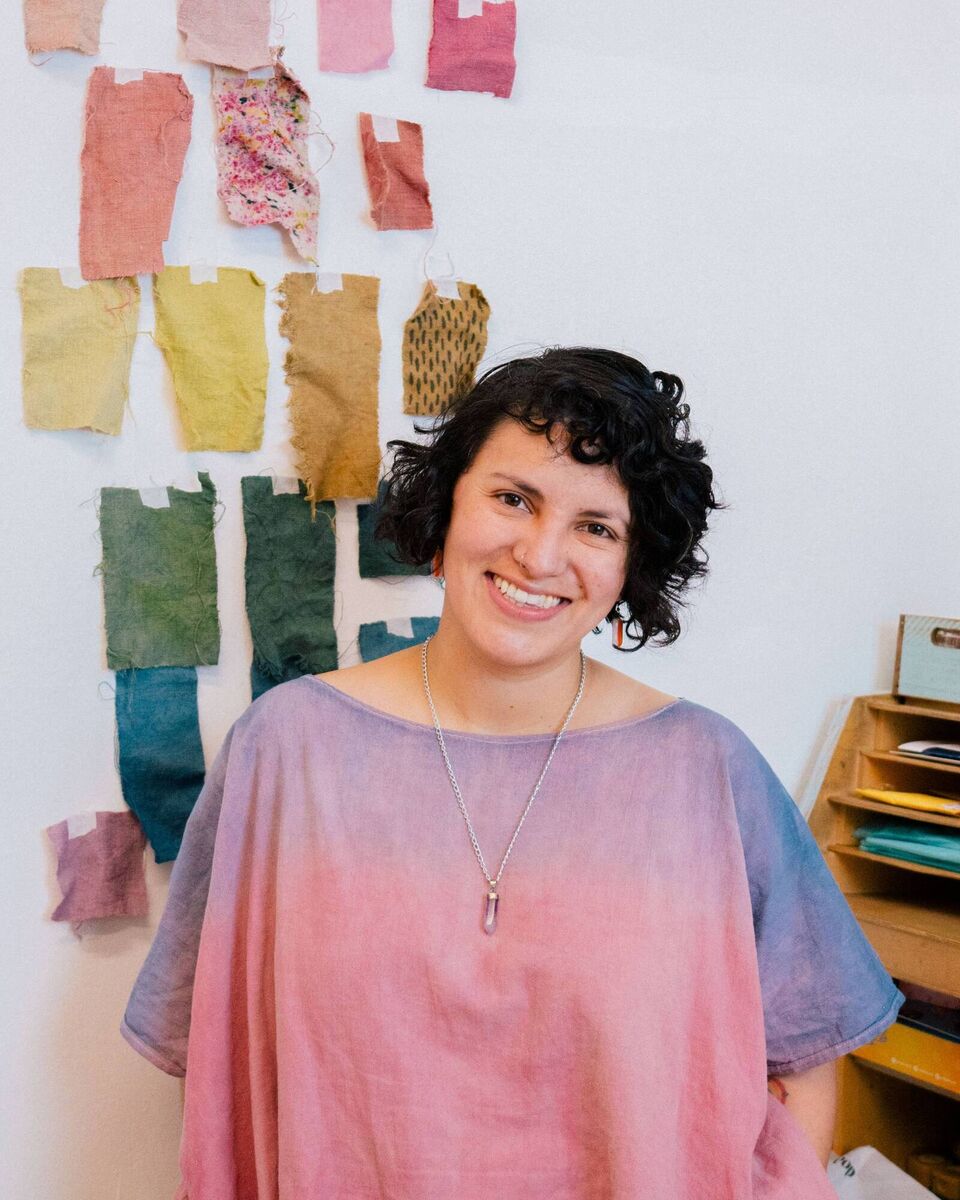
For those much-loved t-shirts and Cami tops that have discoloured over time, natural dyes are an excellent way to turn it from an off-white/grey to a completely new colour.
Natural dyer and designer Malú Colorín established Talú in 2018 and teaches natural dyeing workshops. If you’re tired of the colour of a garment or feel like you want something new without buying, natural dyeing is a really fun way of doing it, she says.
“It’s like mixing magic with plants and at the end of the day, you get a different-looking garment entirely.”
Natural dyeing works best on natural fibres such as cotton, linen, silk and wool. Red onion skins, avocado skins, pomegranate peels, oak leaves and acorns are some examples of great natural dyers.
“All of these things, you can either store in the freezer or dehydrate to keep for longer so it’s not like you have to use them straight away,” says Malú.
The Wicklow-based natural dyer also says we tend to over-wash our clothes. Washing less frequently and only when necessary, will help clothing last longer.
“You don’t need to wash it after every use and then when you do need to wash, using cold water and the gentlest cycle will help your clothes stay useable for longer.”
CONNECT WITH US TODAY



Be the first to know the latest news and updates