Style inherited: These are the heirloom garments we treasure from our parents
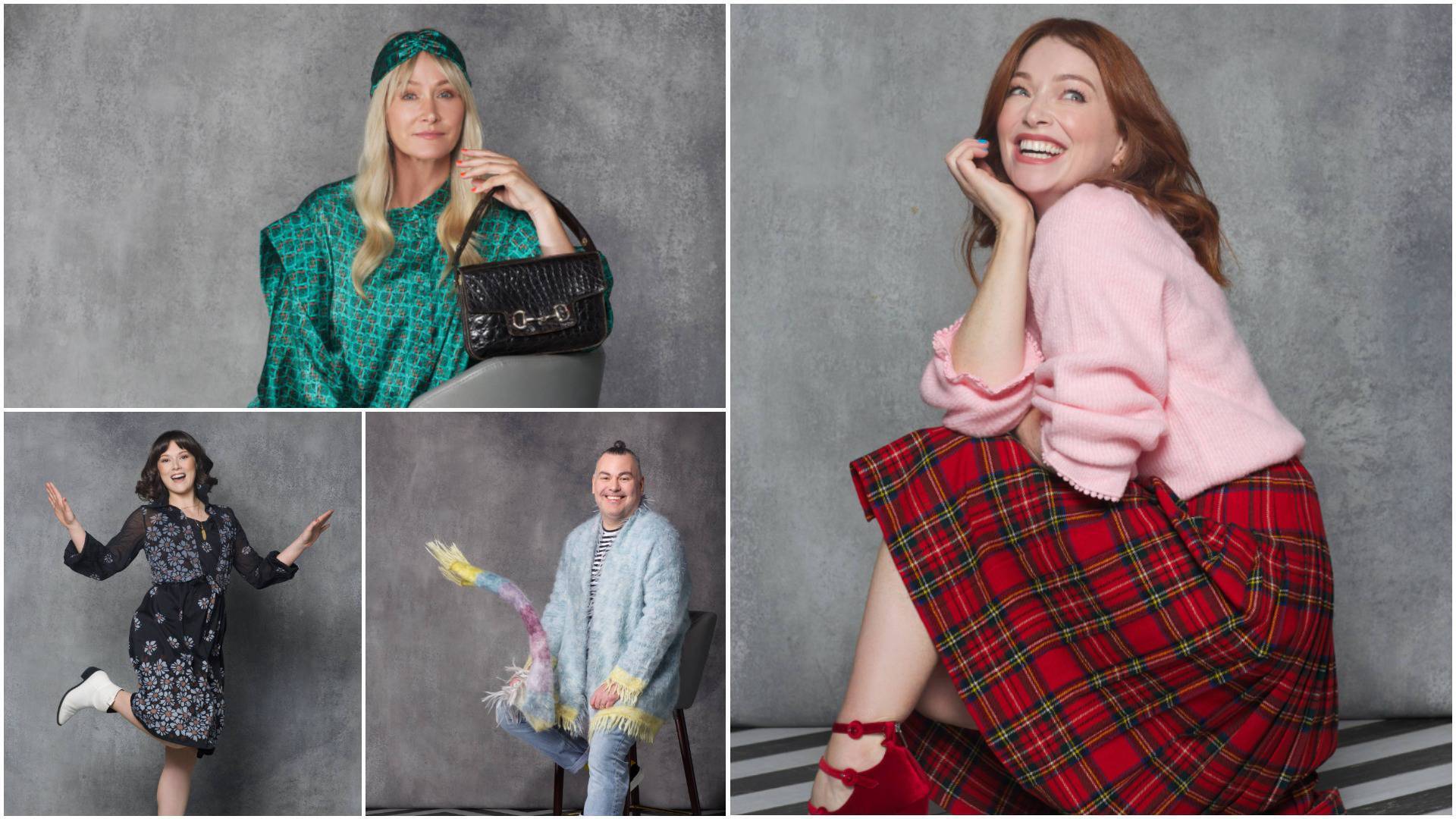
Five creatives chat about their family heirloom garments, their inherited style, and their relationship with sustainability today.
As a stylist, I am constantly asked by people what they ‘should’ be wearing. In the same breath as they ask how I am, they start covering their body with their arms cartoon-style, imploring that I don’t look at them, apologising profusely for the state of their outfit. They tell me they desperately need some ‘new bits’ and beg me to divulge once and for all exactly what width their jeans leg needs to be.
I think it’s a hangover from the chatter of ‘must-haves’ and ‘hot-or-not’ lists that we have unwittingly over-consumed since fashion retail’s breakneck seasons began dictating tastes. What we ‘should’ be wearing, of course, is what makes us feel good. What we ‘could’ be wearing, I suggest, to slow down the devastating impact fashion production is having on our planet, is what already hangs in our wardrobe; arguably the most sustainable items available to us are those we already own. Or, perhaps, those that someone we love already owns.
It was this very idea that led me chatting to five fellow-creatives about their family heirloom garments, their inherited style, and their relationship with sustainability today.
Consider the last piece of clothing that you bought. Do you remember your thought process around the purchase? How was it you made your selection? Were there occasions you had in mind to which you planned to wear it? Was it a spur of the moment decision as you browsed rails? What were your feelings as you tapped to pay or when you took it out of the bag at home?
What if the next time we shopped for clothes, we made choices knowing our children would be wearing that very garment in decades to come? How would our decisions change if we knew that what we bought today was to last at least another 50 years? What care would we take of our closets knowing it was our responsibility to ensure its contents were to be fit for the next generation to enjoy? Would we cherish and mend? Would we accumulate less? Would we be more conscious of our fabric choices; consider investing in ‘well-made’ instead of spending on ‘it’ll do’?
CLIMATE & SUSTAINABILITY HUB
What if we looked beyond the next season and instead considered the next century? If we viewed ourselves as temporary custodians rather than the garment’s first and last owner? What if our clothes were just to spend a chapter of their lifespans with us?
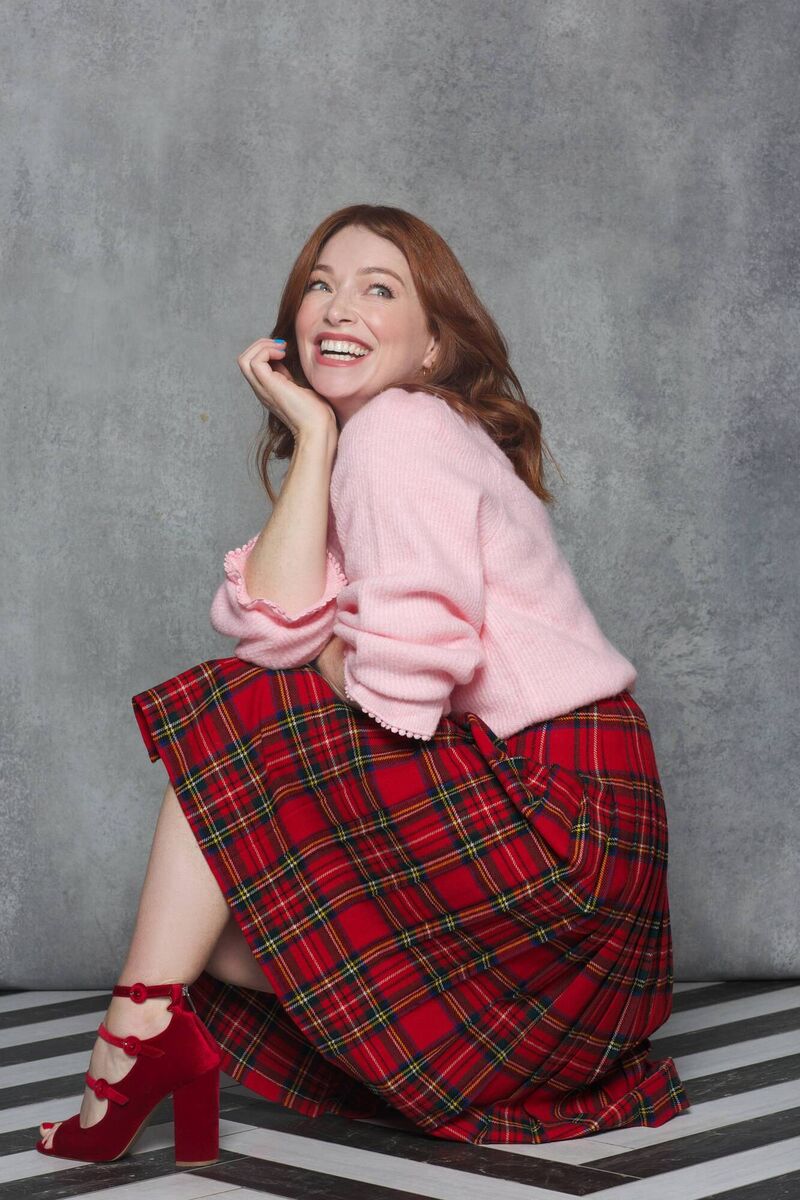
Memories are often evoked through our senses. When I think of my mum as I was growing up, I remember her scent as I lay against her, the feel of her hands as she moved her fingers through my curls, the sound of her voice as she called us, the taste of her perfume when I would kiss her cheek. But for me, nothing is as vivid as the visual of the clothing that she wore.
I often wondered why I could call to mind in such great detail my mum’s old clothes. Recently I began to understand that it was likely because I saw each of the pieces that she wore day in, day out; garments styled differently for various occasions, adapted to meet the needs of changing seasons, shared with friends and family for varied occasions and commitments.
The kilt I’m wearing today was a gift to my mum from my dad in 1972; he bought it in Scotland where he been attending a sports convention. My mum says that it was the year of the pleated skirt. She wore hers most often with a white fitted ribbed polo-neck, a long locket hanging from her neck and tall boots underneath. She sometimes paired it with a pussy-bow blouse, a waistcoat, and a pair of Mary-Janes. It’s the latter she wears in a photograph that reappears at home every few years, taken in the office where she worked, rotary dial phone against her ear as she typed.
The skirt is 100% wool, with a beautiful leather buckle detail on the side of the waist. It looks and feels like it was made just yesterday. I often liken our relationships with our clothing to friendships: those nurtured stand the test of time. Cared for garments have the opportunity to be cared for time and again.
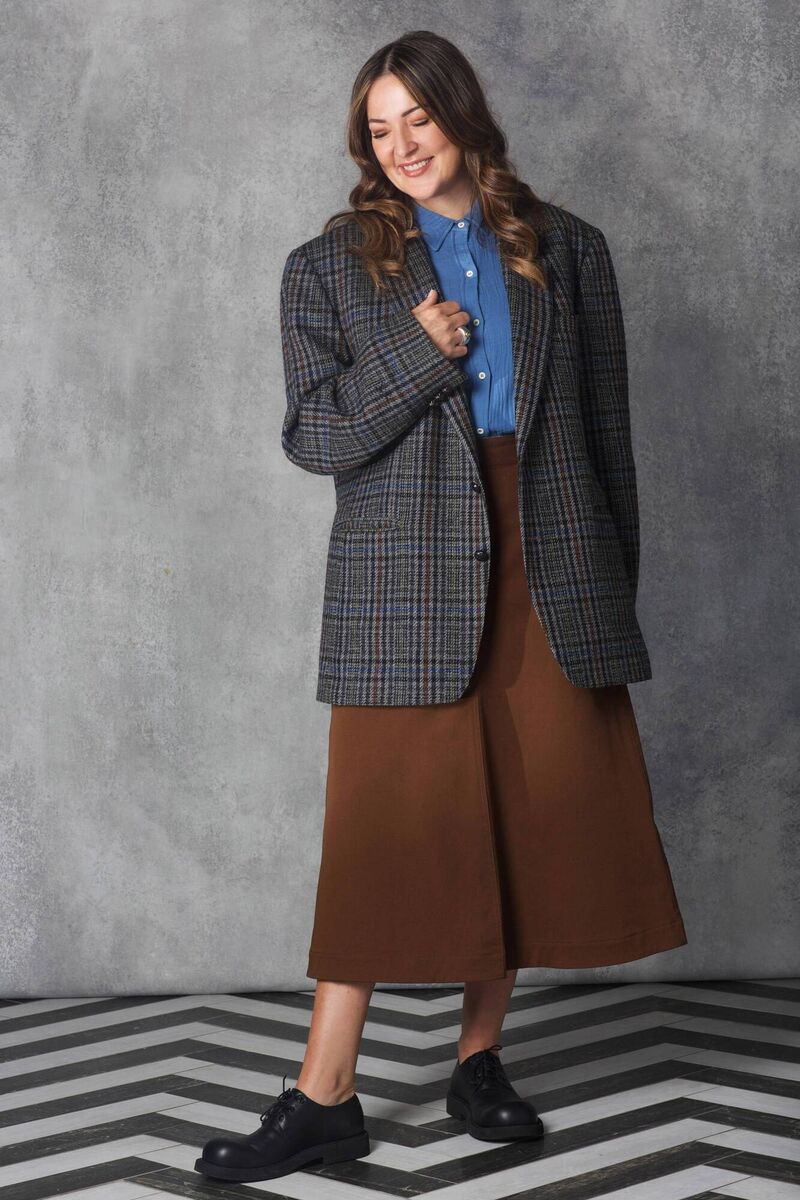
The 50-year-old Donegal Tweed oversized blazer that Grainne wears today belongs to her father, and it isn’t the first of his pieces that she has sought out and worn over the years.
“As a kid I used to always rob my dad’s t-shirts and there’d be war about it. I just wanted a clean white t-shirt, and my mum wouldn’t buy them for me. I’m the youngest of six so I always got the hand-me-downs.”
When she opened Beautiful South, her Rathmines boutique, Grainne started travelling to Paris and noticed that a lot of Parisian women were wearing oversized blazers which looked incredibly chic.
“Unfortunately, my dad has gone into a nursing home … my mum has started to give us some of his clothes that he’s not going to be wearing anymore so I chose this.”
Her dad’s jacket also inspired designer Cleo Prickett to create the Yaddi jacket; an oversized blazer also made from Donegal Tweed. “So now her blazer is going to the future vintage piece.” Grainne’s store was only open two years when Covid-19 hit. She chose not to go online for lots of reasons, sustainability being one of them. She wanted to avoid the excessive use of packaging and returns.
To keep it more personal in a time when people were losing contact with each other, she offered an ‘appro service’, something that was once the norm in Irish retail.
“It’s a very old school service. My mum worked at it in Arnotts 70 years ago when she was 17. I got on my bike and called to my customer’s door with what they needed.”
She would leave pieces to be tried on at the customers’ leisure. The next day she would collect what wasn’t wanted, and they would pay for what they bought. Customers new and old loved it.
“You’re arriving with clothes and a smile on your face, no packaging involved. It worked really well and kept the business going while the doors were shut.”
Grainne wears her dad’s jacket with a top from Masscob, skirt from TIBI, and brogues from MM6, all available from Beautiful South boutique.
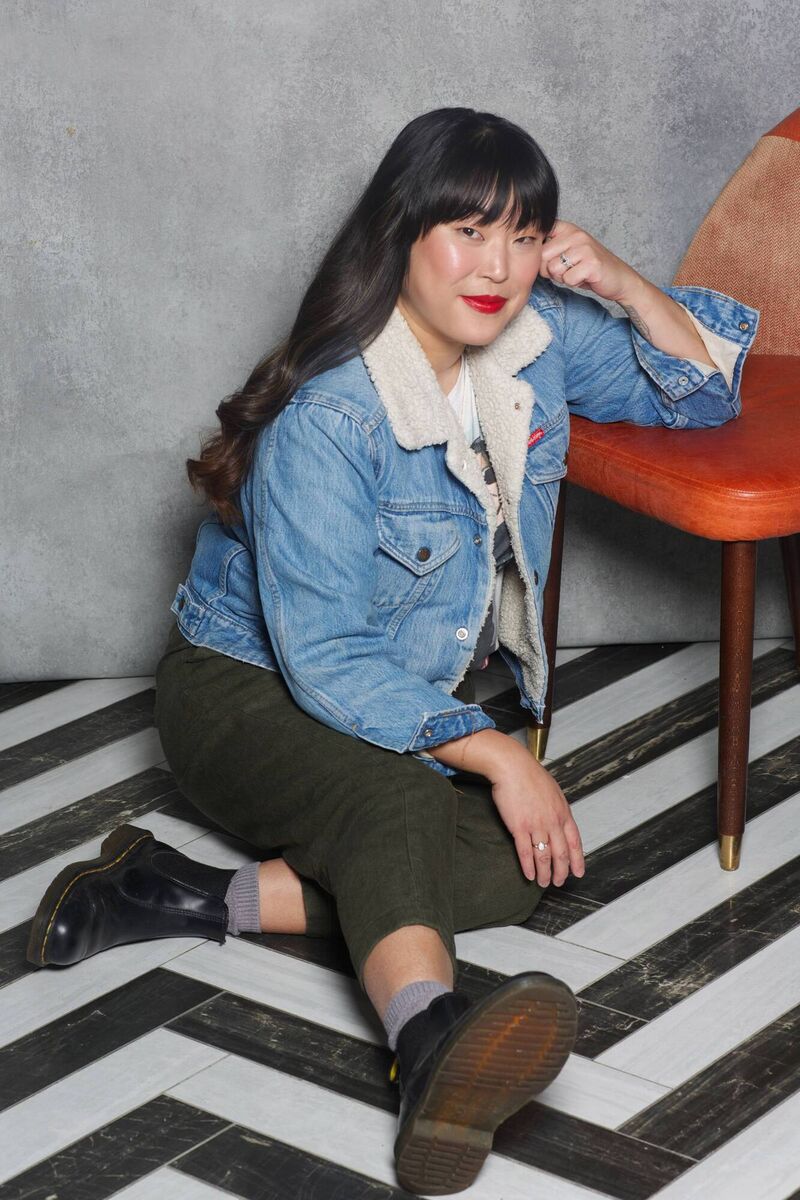
For Zoë, both her fashion ethos and style aesthetic are inherited from her parents.
Along with a matching one for himself, Zoë’s dad bought her mum the denim aviator jacket Zoë wears today in Hong Kong, before coming to Ireland circa 1982. “In Asian culture, a lot of couples dress either the same or alike”. Zoë translates the practice as ‘Sweetheart Dressing’.
Zoë borrowed the jacket from her mum ‘long term’ when she was in transition year. She wanted something original to wear over her uniform and it felt very cool.
“It’s sentimental because I remember mum wearing hers and my dad having the matching one. From a young age I would have seen them wearing them together, holding hands and walking ahead of us. It’s such an affectionate thing to see your parents doing … they still to this day match clothing and hold hands when walking.” Zoë’s dad’s jacket is now with her brother in Japan.
“I think with their generation they bought things to last. I guess the brand that I have stems from that.” Sustainability is an inherent value of Zoë’s own clothing label, Zoë Carol.
“The things I make, I make with the intention that they last for a very long time.” The Ivy Trousers she wears today are an example of that: made with 100% Irish linen from Co Wexford, they were handcrafted at Zoë Carol Kilkenny studios.
“You could call it an heirloom piece in that you would wear it for a long time and then pass it down. They’re everyday pieces, to be intertwined with daily life… I think when you get longevity out of a piece, that’s when something to me is sustainable.
“And it’s designed with slow intention too. It’s why I work with Irish Linen. The transparency and the origins of fabric really matter.”
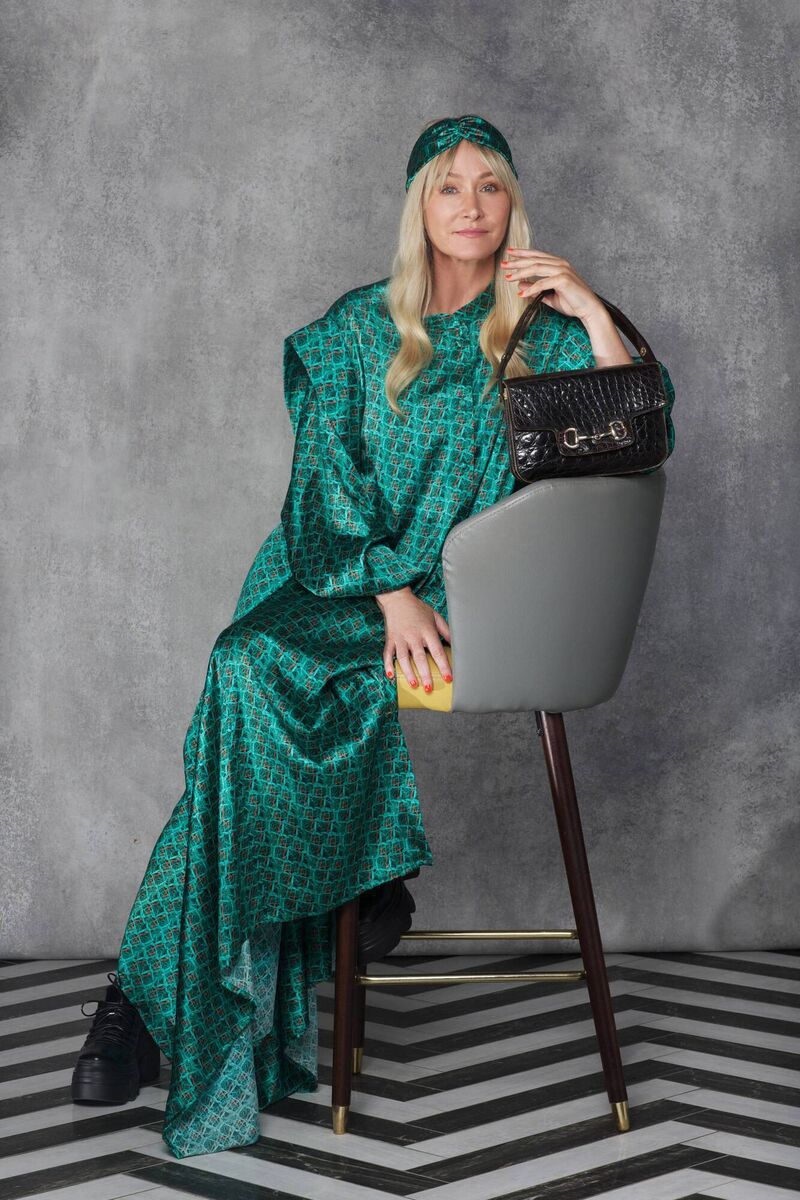
Growing up, Helen and her sister had numerous reasons to covet their mum’s amazing wardrobe: “YSL patent knee-high boots with pointed toes and a zip up the back; 1970s big hippie dresses.” But it was this Gucci handbag given to their mum the year that Helen was born (“sometime in the 70s”) that was deemed most-wanted. Bought by her dad from the old Brown Thomas store (on Grafton St) the handbag was kept for good use “weddings, funerals, special dinners” and looked after impeccably, as was the case with all her belongings. Having worked, studied and travelled around Europe and North Africa during the 60s, Helen’s mum collected pieces she still has today. “I remember her wearing kaftans and a turban with the Gucci bag.... she was very hip to the groove.”
The bag has the original gold horse bit. The colour has darkened over the years but having been restored by Isaac Jackman twice the inside fabric is absolutely perfect.
“It’s still a bloody great piece.”
Making, and respect for what has been made, is in Helen’s blood. In Connemara during the famine, her mother’s great, great, great grandmother fed the family by creating lace tablecloths for the aristocracy. It was a tradition handed down through the female line.
“I can remember in the 80s darning socks and being absolutely mortified but mum saying there was nothing wrong with them. And she was right.” Conscious of how her creations impact the environment, Helen is constantly striving to source more eco-friendly fabrics. Her main line Spring Summer collection includes a jacket made from bamboo.
“The reality is that you do want to use more recycled fabrics … but we’re still at a learning curve... I’ve had some hard knockbacks where fabrics that I’ve bought have shrunk but I do want to be 90% sustainable within the next three years. I’m currently 60% sustainable in my main collection.”
With print inspired by the fishing tackle, ropes and the “innately Irish” colours of Howth Harbour, the vibrant Helen Steele dress she wears today is made from U-circular silk satin.
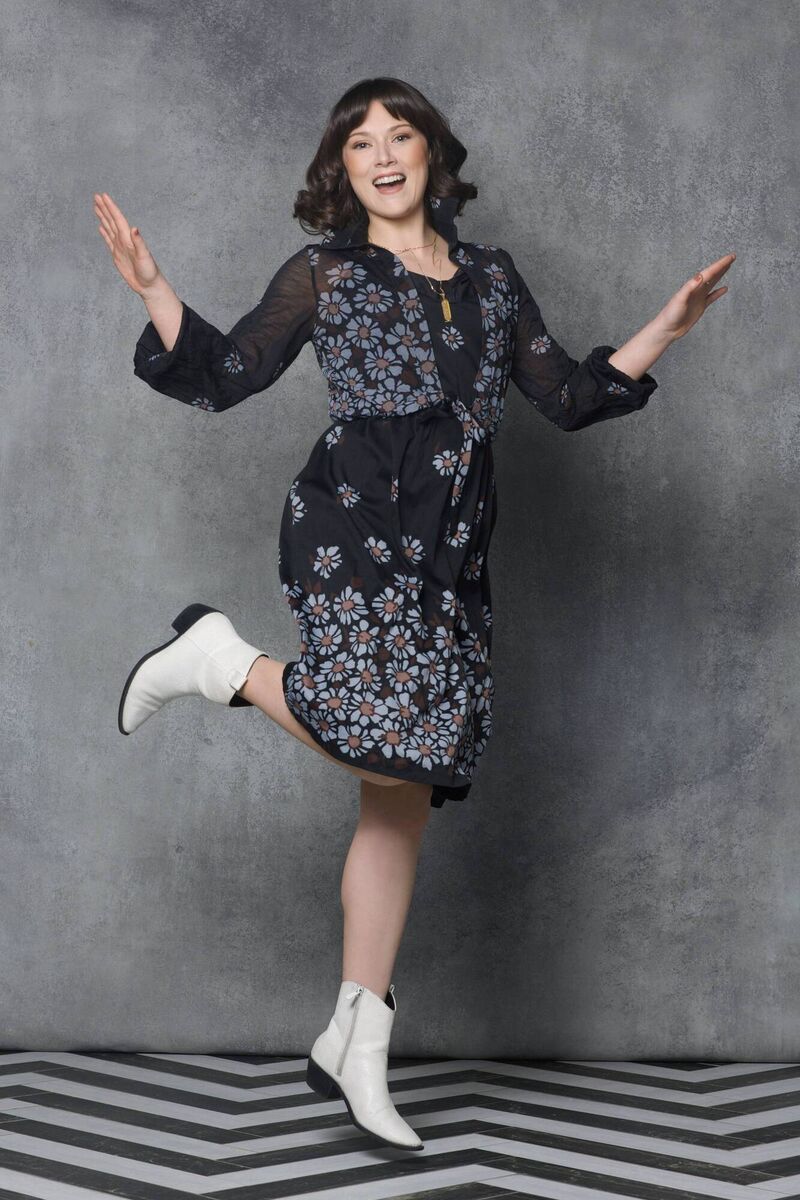
The two-piece outfit that Betty wears today was bought by her mum in Anthony Ryan’s of Galway in the early 80s.
“Because my parents were involved in amateur theatre when we were kids, we had ‘the dressing up box’.” Betty recalls that this box was full not only of costumes but also clothing that her mum no longer wore. “Loads of her stuff was there … she has some great pieces.” Betty and her sister adored playing with the contents. This particular outfit - which her mum wore to dinner dances prior to it finding its way to the box - was such a favourite of Betty’s that she used to wear it all the time as a child, “even though it was ginormous on me.” As a vintage clothing enthusiast Betty has always adored old clothes and relishes finding preloved gems. A few years ago, she had a joyous lightbulb moment.
“I just remembered all this stuff from when I was a kid, so I rooted through the box finding loads of great gear.”
She was thrilled to have access to so many quality pieces that she could make her own and wear today.
When she was growing up, Betty was always encouraged to buy what was going to last. She particularly loves finding Irish-made pieces in charity shops of which she says the quality can be ‘amazing’.
“Some of the details that you get on clothes from back in the day you don’t get now. I love the ‘Made in Ireland’ label.
“I feel like I’ve always been interested in buying clothes secondhand … it’s just second nature to me. Now it’s very popular but years ago when I was doing that people would say ‘ugh, I can’t believe you’d go into a charity shop and buy old people’s clothes’. I get so excited when I find secondhand stuff because it has had a life, it has a past, sometimes it’s homemade. There’s a story behind there. I love the idea that the clothes have been places.”
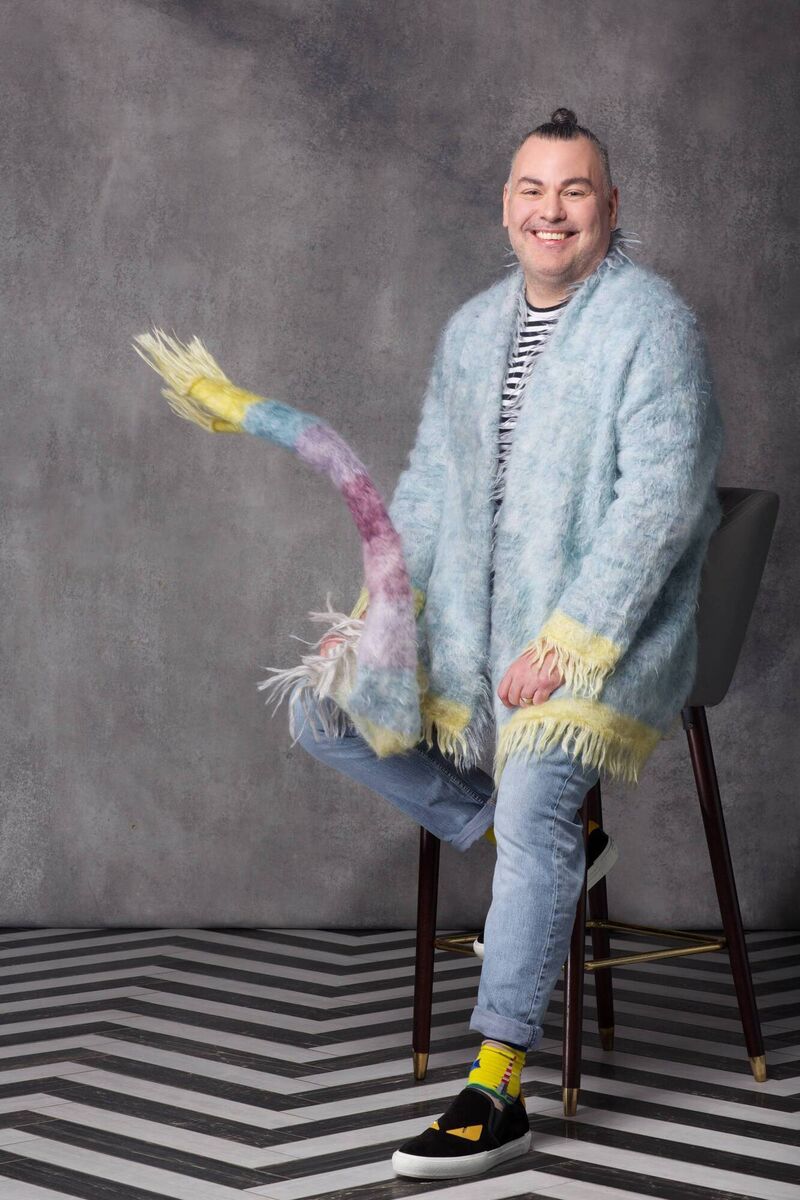
Bought in Dublin’s Khan boutique around 1993, the now-vintage Lainey Keogh cardigan and scarf that Leonard wears were originally purchased by him as a gift for his mum.
He bought his mum a lot of pieces around that time including John Rocha coats that she still wears. He fell in love with the cardigan.
“It’s a classic Lainey; cashmere, slouchy, extra big; it’s like wearing a giant hug.”
He knew the cardigan and scarf would still be in his mum’s wardrobe when he went looking to wear it because “everything she has is there. She still has great bits from the 70s and 80s.”
From the time he was young Leonard’s mum instilled in him to buy good once and buy forever. As a result, he has always bought good clothes, keeping and mending them. Because he was buying so well and enjoying the clothes, he always embraced this philosophy.
“In the 90s when we all used to go out, I probably had four different outfits that I wore all the time - they were all really cool -- whereas all of my friends would be buying a new outfit for a Saturday night, and I’d think ‘that’s so wasteful’. Even before sustainability became the thing, I was always sustainable, I suppose.
“I still buy too much stuff; I still have too much stuff but what I do buy, I try to buy consciously. I try to buy as much Irish as possible.
“I check out brands’ sustainable credits. If someone isn’t sustainable at all I tend not to buy them. I think brands are becoming a lot more focused on it because we as consumers are a lot more focused on it, so they have to be… it’s making it a lot easier to be more sustainable.
“I try not to buy a lot of polyester because I think that’s so damaging to the environment. I’m now buying jeans that haven’t been washed as many times. I do try.”
Leonard’s Poolbeg socks are by Irish brand Sock Co-op who create colourful socks depicting some of Ireland’s most beautiful places and landmarks.
- Shot on location in The Iveagh Garden Hotel, Dublin; Europe’s first sustainable hotel (iveaghgardenhotel.ie)
- Photography: Emily Quinn (emilyquinn.com)
- Words and creative direction: Irene O’Brien (irene.ie)
- Styling Assistant: Maria Pina Ciuffreda
- Hair: Niamh Hogan and Chloe Brady from Hillary.ie salon, Ranelagh, Dublin
- Makeup: Michelle Treacy and Caolan Kelly from Sculpted by Aimee. Sculpted By Aimee have their own recycling programme, ReSculpted, an environmental initiative to encourage customers to recycle product packaging safely. They are also vegan & cruelty-free.

CONNECT WITH US TODAY



Be the first to know the latest news and updates